

HERB PROFILE
Gentian
Gentiana lutea L.
A tall, yellow-flowering perennial native to the mountains of Europe, gentian is best known for its intensely bitter roots. It has a long history in traditional herbal preparations, particularly those used before meals to encourage appetite and digestive activity.
Bitter • Digestive Stimulant • Appetite Support
Family: Gentianaceae · Parts used: Root and rhizome

At A Glance
Key Actions
Bitter · Digestive Stimulant · Appetite Support
Best Known For
Intensely bitter root · Traditional appetite support · Before-meal digestive preparations
Common Preparations
Root decoction · Tincture · Digestive bitters · Liquid extract
Traditional Uses + Modern Context
Gentian has a long history in European herbal traditions, particularly as an intensely bitter digestive herb. Its roots and rhizomes have traditionally been used before meals to encourage appetite and support digestive activity, especially when digestion feels slow or heavy. Gentian is a familiar ingredient in traditional digestive bitters, herbal extracts, and bitter tonics.
Gentian contains bitter compounds, including gentiopicroside and amarogentin, that contribute to its remarkably strong taste. Bitter substances can stimulate sensory responses associated with digestion, including salivation. Gentian’s traditional use for temporary loss of appetite and mild digestive complaints is recognized in European herbal monographs, although robust human clinical evidence for its effectiveness remains limited.
Traditionally Used For
Temporary loss of appetite
Fullness + sluggish digestion
Before-meal bitter preparations
Traditional digestive tonics
Herbal Actions
Gentian’s traditional herbal actions help explain its long-standing place in digestive bitters and before-meal preparations. These terms describe how herbalists understand its intensely bitter qualities and their relationship to appetite and digestive function.
Bitter
Gentian is one of the classic intensely bitter herbs. Its roots contain bitter compounds that stimulate taste receptors and sensory responses associated with preparing the digestive system for food.
Digestive Stimulant
Traditionally used before meals to encourage digestive activity, particularly when digestion feels slow or heavy. Gentian’s pronounced bitterness is central to its use in traditional digestive preparations.
Appetite Support
Gentian root has a long history of traditional use for temporary loss of appetite. Its bitter taste makes it a familiar ingredient in herbal tonics and preparations intended to be taken shortly before eating.
Explore by Need
Looking for practical ways to understand gentian’s traditional uses? Explore how this intensely bitter root has been used to encourage appetite, support digestive activity, and form the foundation of traditional digestive bitters.
Low Appetite
Gentian root has traditionally been used when appetite is temporarily reduced. Its intensely bitter taste makes it a familiar ingredient in before-meal preparations intended to encourage the body’s natural digestive responses.
Sluggish Digestion
Gentian is traditionally associated with digestive support when meals leave a feeling of heaviness or fullness. Its bitter compounds help explain why the root has long been included in herbal preparations intended to stimulate digestive activity.
Traditional Digestive Bitters
Gentian is a classic ingredient in digestive bitter formulas, often combined with aromatic herbs such as fennel, anise, or orange peel. These preparations bring together intense bitterness and complementary flavours in traditional before-meal blends.
Preparations
Gentian is primarily prepared using its intensely bitter roots and rhizomes. Traditional preparations include decoctions, tinctures, digestive bitter blends, and concentrated liquid extracts. The preparation method influences how the root’s bitter constituents are extracted and experienced.
Root Decoction
Dried gentian root can be gently simmered in water to produce a distinctly bitter herbal preparation. Decoctions are a traditional way to work with tougher plant materials such as roots and rhizomes, although gentian’s strong bitterness means it is often used in small amounts.
Tincture
Gentian root is commonly extracted in alcohol to produce a concentrated bitter tincture. Traditionally taken in small quantities before meals, tinctures allow the root’s characteristic bitter taste to be experienced without preparing a decoction.
Digestive Bitter Blends
Frequently combined with aromatic ingredients such as fennel, anise, or orange peel in traditional digestive bitter formulas. These blends balance its intense bitterness with complementary flavours and are commonly prepared as liquid extracts.
Liquid Extracts
Gentian root is also available in concentrated liquid preparations made using different extraction methods. These products vary in strength and composition and are distinct from simple water-based decoctions or everyday culinary preparations.
Growing Gentian
Gentian is a long-lived perennial native to the mountain regions of central and southern Europe, where it grows in meadows and open grasslands. Unlike fast-growing annual herbs, gentian develops slowly and may take several years to flower. It is primarily cultivated for its thick, intensely bitter roots and requires patience, suitable soil, and consistent care.
SUN
Light
Grows best in full sun to partial shade, particularly in cooler climates. In regions with hot summers, some afternoon shade can help protect plants from excessive heat. An open location with good air circulation encourages healthy growth.
CARE
Soil + Water
Grow in deep, fertile, well-drained soil that retains some moisture without becoming waterlogged. Gentiana lutea generally prefers neutral to slightly alkaline conditions and tolerates calcareous soils. Keep the soil consistently moist during establishment, particularly in dry weather.
PLANTING
Sowing + Flowering
Gentian seeds typically require a period of cold, moist stratification before germination and may be slow to sprout. Young plants develop gradually, often taking several years to produce their tall flowering stems and clusters of yellow flowers. Established plants can live for decades under suitable conditions.
Harvesting and Drying
Gentian is primarily harvested for its thick, intensely bitter roots and rhizomes, which develop slowly over several years. Unlike herbs grown for their leaves or flowers, harvesting gentian usually requires lifting the entire plant. Careful timing, cleaning, drying, and storage help preserve the root’s characteristic bitter qualities for traditional digestive preparations.
When to Harvest
Harvest gentian roots in autumn, once plants are well established, usually after four to six years of growth. Choose cultivated plants rather than harvesting from vulnerable wild populations.
What to Gather
The roots and rhizomes are the main parts used in herbal preparations. Harvest from mature cultivated plants, ensuring correct identification, as gentian can be confused with poisonous lookalikes.
Drying + Storage
Clean the roots, cut larger pieces into sections, and dry thoroughly in a warm, well-ventilated area. Store in airtight containers away from moisture, heat, and direct sunlight.
Safety + Considerations
Gentian is a famously bitter digestive herb, traditionally used to encourage appetite and digestive activity. Its strong bitter qualities and concentrated preparations call for a few important considerations.
Digestive Conditions
Gentian may be unsuitable for people with stomach or duodenal ulcers, or conditions aggravated by increased digestive secretions. Its intense bitterness is not appropriate for every digestive concern.
Correct Identification
Yellow gentian can be confused with poisonous plants, particularly white false hellebore (Veratrum album). Accurate identification is essential, and cultivated roots from reliable suppliers are preferable to wild harvesting.
Pregnancy + Medicinal Use
Medicinal gentian preparations are generally avoided during pregnancy and breastfeeding because safety information is insufficient. Concentrated extracts may also be unsuitable for children or people taking certain medications.
This page is educational and is not a substitute for individualized medical advice.
Keep Exploring
Gentian belongs to a wider tradition of bitter herbs used for appetite and digestive support. Explore these related plants to discover how their bitter qualities, preparations, and traditional uses differ.
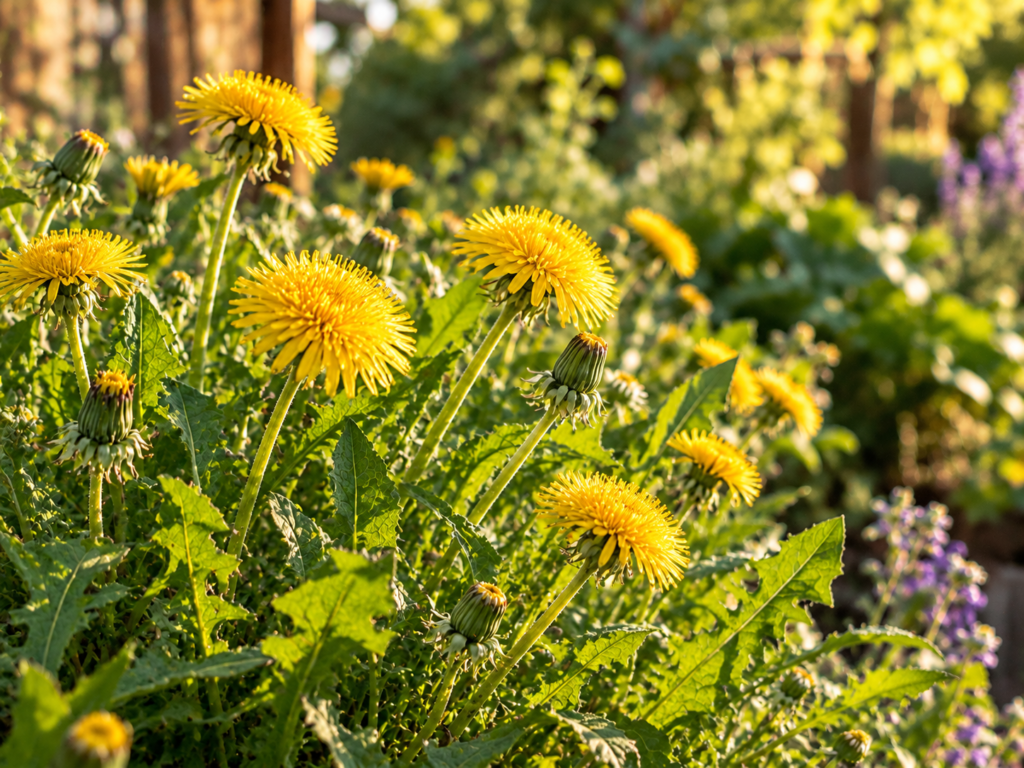
Dandelion
Dandelion root has a long tradition as a bitter digestive herb, particularly for appetite and digestive fullness. Its leaves are also enjoyed as bitter greens.

Yarrow
An aromatic herb with a distinctly bitter flavour, traditionally used in digestive preparations for appetite, fullness, and mild digestive discomfort.
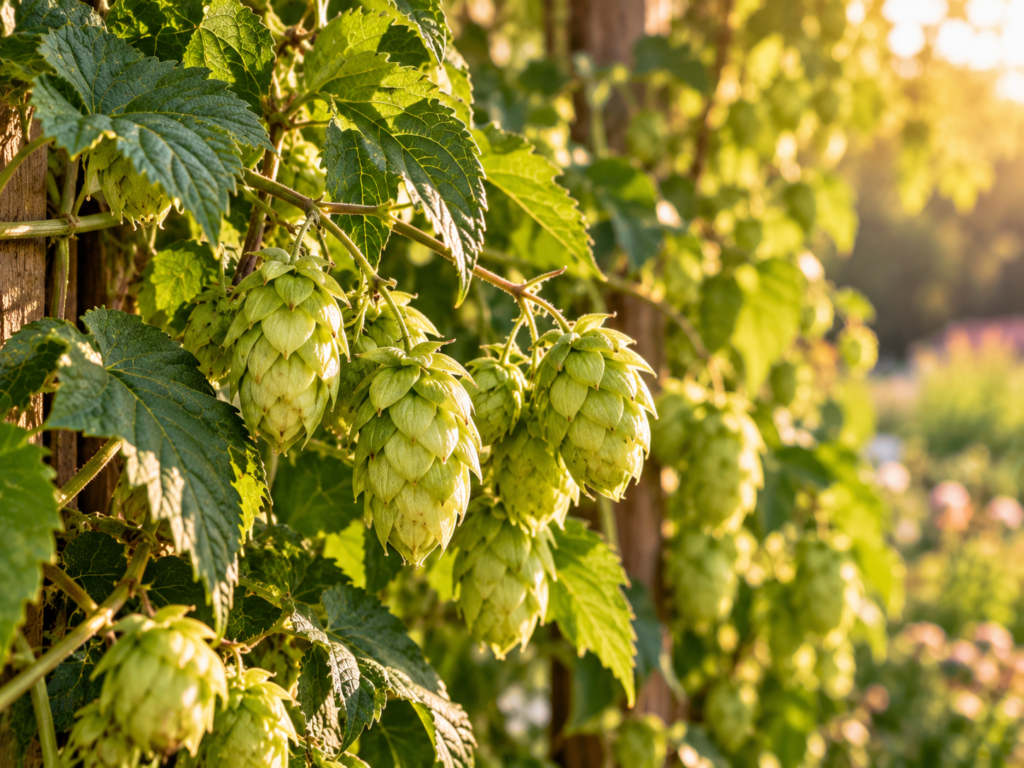
Hops
Best known for their calming qualities, hops also have a long tradition as a bitter herb used in preparations for appetite and digestive support.
Related Rooted Traveler Co. Guides
Want to explore bitter herbs further? These Rooted Traveler Co. guides cover traditional digestive preparations, the role of bitters, and practical ways to preserve herbs for everyday use.
Digestive Bitters DIY Guide
Learn about traditional digestive bitters, the herbs commonly used to prepare them, and how bitter flavours have been incorporated into before-meal herbal routines.
Herbal Support for Digestion, Gas & Bloating
Explore traditional digestive herbs, including bitter and aromatic plants, and discover their different roles in supporting everyday digestive comfort.
Simple Herb Preservation for Beginners
Discover practical methods for harvesting, drying, and storing herbs, including roots and other plant materials used in traditional herbal preparations.
Sources + Further Reading
This profile draws on traditional herbal practice alongside contemporary botanical and regulatory references. Gentian’s traditional digestive uses are well documented, although traditional recognition should not be confused with proof of clinical effectiveness.
European Medicines Agency (EMA)
Gentiana lutea L., radix — European Union herbal monograph and assessment report. Documents the traditional medicinal use of gentian root for temporary loss of appetite and mild digestive complaints, including bloating and flatulence.
European Medicines Agency — Gentianae radix
World Health Organization (WHO) (1999)
Radix Gentianae. WHO Monographs on Selected Medicinal Plants, Volume 1. Covers the botanical identity, constituents, traditional applications, and quality considerations of gentian root.
WHO Monographs on Selected Medicinal Plants, Volume 1
Royal Botanic Gardens, Kew
Gentiana lutea L. Plants of the World Online. Botanical reference for the accepted scientific name, taxonomic classification, and geographic distribution of yellow gentian.
Kew Science — Gentiana lutea