

MEDICINAL GARDENING · FROM THE JOURNAL
Medicinal Herbs That Come Back Year After Year
In a cold-climate garden, few things are more rewarding than seeing familiar herbs emerge from the soil each spring. While annual plants need to be started again every season, well-chosen medicinal perennials can establish themselves over time, returning with new growth, deeper roots, and increasingly generous harvests.
From yarrow and echinacea to lemon balm and comfrey, many traditional medicinal herbs can thrive through surprisingly cold winters when grown in suitable conditions. The key is choosing plants that match your climate, understanding their growing habits, and giving them a good start. A thoughtfully planted perennial herb garden can become a lasting source of useful plants, seasonal harvests, and knowledge that grows with every year.
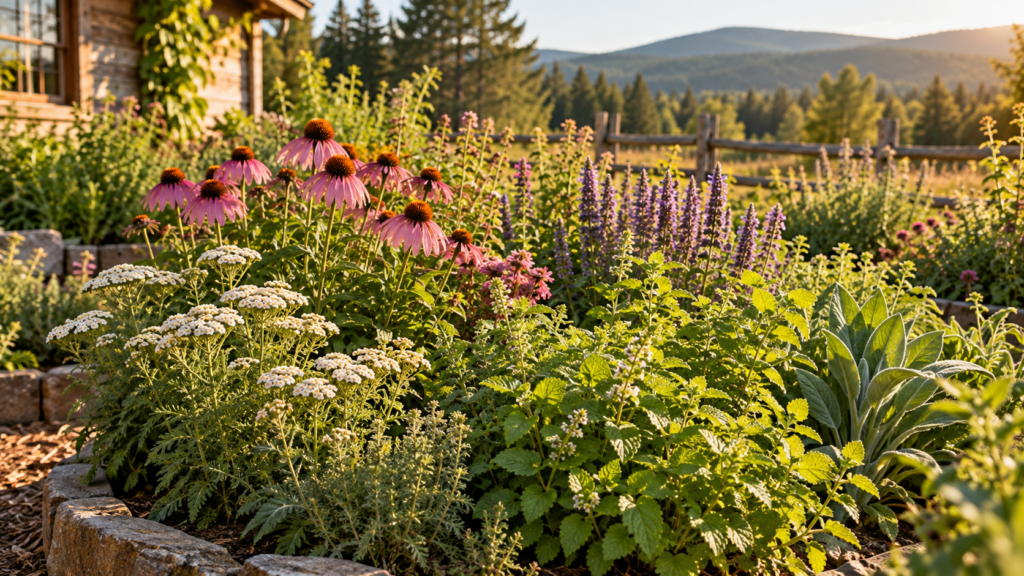
Choosing Medicinal Perennials That Can Survive Winter
A medicinal herb may be perennial in its native environment without being reliably hardy in yours. In colder regions, the first consideration is whether a plant can survive your winter temperatures, followed closely by how well it tolerates your soil, drainage, and seasonal moisture.
Hardiness zones provide a useful starting point, but they don’t tell the whole story. A sheltered garden bed with good snow cover can offer very different winter conditions from an exposed, windswept location. Poor drainage can also be particularly troublesome, as roots sitting in wet soil during repeated freezing and thawing may struggle even when the plant itself is considered cold-hardy.
Before planting, consider each herb’s mature size, preferred growing conditions, and how it spreads. Some, such as echinacea, form relatively contained clumps, while others, including lemon balm and yarrow, can gradually occupy more space. Comfrey develops a substantial root system and is best given a permanent location from the beginning.
For a lasting garden, choose plants suited to your conditions rather than trying to make every herb adapt to the same bed. A little planning during the first season can save considerable work in the years that follow.
Hardy Medicinal Herbs Worth Growing
Some medicinal herbs are particularly well suited to gardens with freezing winters and relatively short growing seasons. The following plants offer a useful combination of traditional herbal applications, ornamental appeal, and reliable perennial growth when planted in suitable conditions.
Yarrow (Achillea millefolium)
Yarrow is one of the most dependable perennials for colder climates, often hardy to Zone 3 or colder. Its finely divided leaves and clusters of small flowers make it easy to recognize once established. Traditionally valued in herbal preparations, yarrow is commonly harvested for its flowering tops, which can be dried for later use.
Yarrow prefers full sun and well-drained soil, tolerates relatively dry conditions, and gradually spreads through underground stems. Give it room to develop, particularly in smaller garden beds.
Echinacea (Echinacea purpurea)
Echinacea brings both beauty and traditional herbal value to a perennial garden. Its distinctive purple-pink flowers attract pollinators throughout summer, while its flowers, leaves, and roots have a long history of use in herbal preparations.
Often hardy to Zone 3, Echinacea purpurea prefers full sun and well-drained soil. Plants may take a couple of seasons to establish fully, and young plants benefit from consistent moisture during their first growing season. Avoid harvesting roots from young plants, allowing them time to develop strong, healthy crowns.
Lemon Balm (Melissa officinalis)
Lemon balm is a fragrant member of the mint family, traditionally enjoyed in calming herbal teas and aromatic preparations. Its soft, lemon-scented leaves can be harvested repeatedly during the growing season, making it especially rewarding for a home tea garden.
Generally hardy around Zones 4–5, depending on growing conditions, lemon balm appreciates sun to partial shade and reasonably well-drained soil. It can spread through self-seeding, so trimming flower stalks before seeds mature helps keep it contained. In colder or exposed locations, a protective layer of mulch can improve its chances of returning in spring.
Comfrey (Symphytum × uplandicum)
Comfrey is a vigorous, deep-rooted perennial traditionally grown for external herbal preparations, particularly infused oils and salves. Its large, textured leaves and clusters of bell-shaped flowers make it a distinctive addition to a medicinal garden.
Often hardy to Zone 3, comfrey prefers fertile soil with adequate moisture but can tolerate a range of conditions once established. Give it a permanent location, as its substantial root system makes it difficult to relocate. Sterile cultivars such as Bocking 14 are particularly useful for gardeners who want to avoid unwanted seedlings. Comfrey is best reserved for external preparations rather than homemade internal remedies.
Anise Hyssop (Agastache foeniculum)
Anise hyssop is a fragrant perennial with licorice-scented leaves and beautiful purple flower spikes that attract bees and other pollinators. Traditionally used in aromatic teas, it brings both flavour and biodiversity to a medicinal herb garden.
Generally hardy to Zones 3–4, anise hyssop grows best in full sun and well-drained soil. Established plants tolerate some dryness, although young plants appreciate regular watering. Individual plants may be relatively short-lived, but they often self-seed, allowing a patch to renew itself naturally.
Marshmallow (Althaea officinalis)
Marshmallow is a tall, graceful perennial traditionally valued for its mucilage-rich roots and leaves. Its soft foliage and pale pink flowers add a gentle, cottage-garden character to medicinal plantings, while its roots are commonly used in soothing herbal preparations.
Often hardy to Zone 3 or 4, marshmallow prefers full sun and fertile soil that retains some moisture without remaining waterlogged. Plants can reach considerable height, so position them toward the back of a garden bed. Allow several growing seasons for the root system to become well established before considering a root harvest.
Give Your Perennials a Strong Start
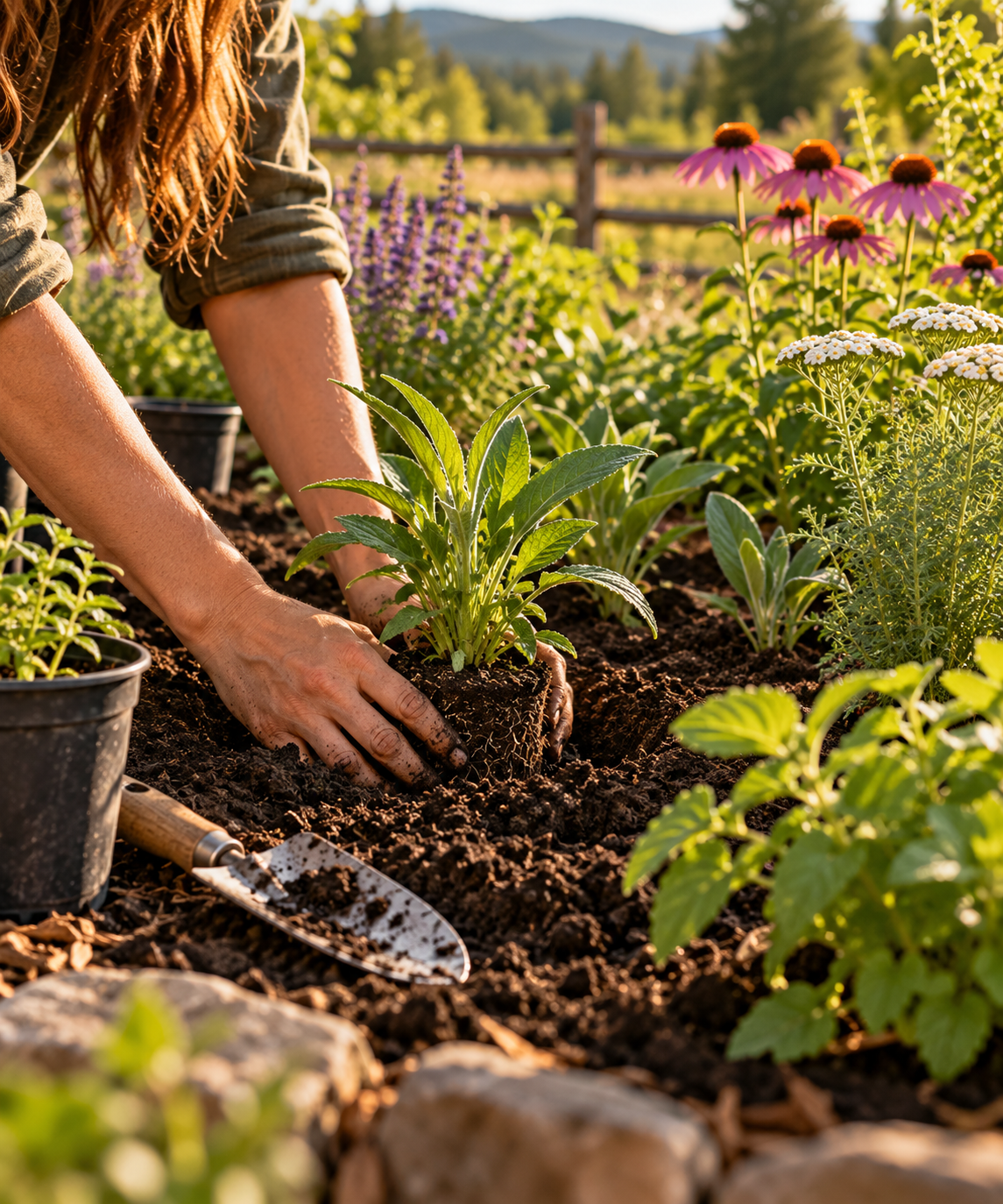
The first growing season is when perennial herbs establish the roots that will support them for years to come. Plant after the risk of hard frost has passed, giving young plants enough time to settle in before winter. Spring is often ideal, although early autumn planting can work well for hardy species when there’s sufficient time for root establishment.
Water newly planted herbs consistently while their roots develop, but avoid keeping the soil permanently saturated. A light layer of mulch can help conserve moisture and moderate soil temperatures, particularly during periods of summer heat.
Resist the temptation to harvest heavily during the first season. Allowing young plants to develop strong foliage and root systems often leads to healthier growth and more generous harvests in subsequent years.
Helping Medicinal Herbs Through Winter
For cold-climate gardeners, autumn is an important time to prepare perennial herbs for the months ahead. Many hardy medicinal plants naturally die back above ground as temperatures fall, conserving their energy in underground roots and crowns until warmer weather returns.
Rather than cutting every plant back immediately, consider leaving some healthy stems and seed heads standing through winter. Echinacea and yarrow can provide food for birds, shelter for beneficial insects, and beautiful structure in an otherwise dormant garden. Old growth can be tidied up in spring as new shoots begin to emerge.
A layer of shredded leaves or loose straw can help insulate the soil around young or less-established plants. Apply mulch after the ground begins to cool, keeping it away from the crowns to avoid trapping excess moisture. Good drainage is especially important during winter thaws and early spring snowmelt.
When spring arrives, be patient. Not every perennial emerges at the same time, and some herbs are naturally slower to wake than others. Give established plants a chance to show new growth before assuming they haven’t survived.
A Medicinal Garden That Grows With You
One of the greatest pleasures of growing perennial medicinal herbs is watching a garden become more established with each passing season. Plants that began as small seedlings gradually develop into familiar companions, returning each spring with fresh growth and new opportunities to harvest, observe, and learn.
You don’t need a large garden or an extensive collection to begin. A few thoughtfully chosen herbs, planted in suitable conditions and cared for through their first seasons, can become the foundation of a lasting home herbal garden.
Over time, you’ll discover which plants thrive in your particular soil and climate, when they produce their best harvests, and how they fit into your everyday herbal practices. That knowledge, gathered season after season, is just as valuable as the plants themselves.
Take Your Herbal Skills Further
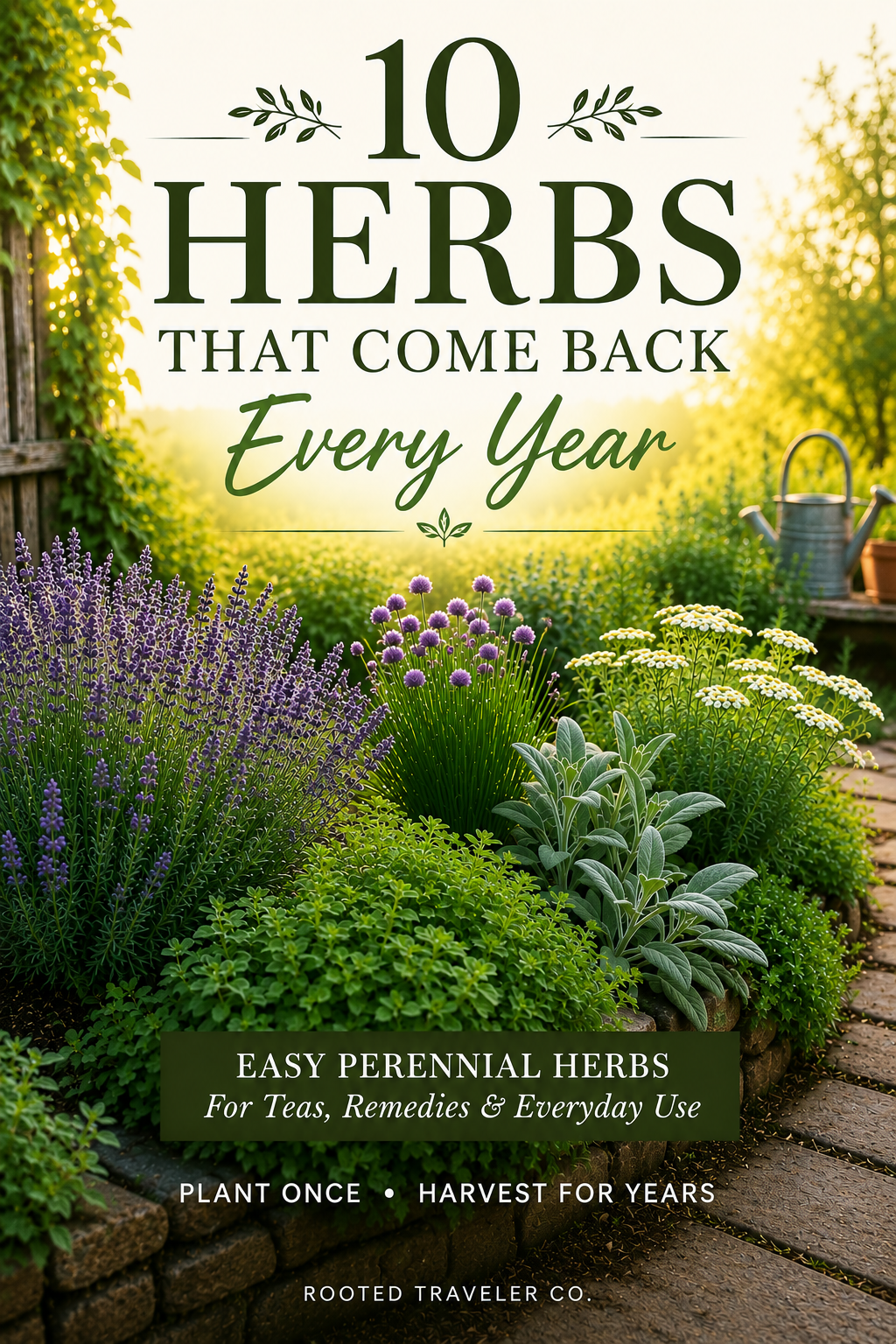
THE ROOTED TRAVELER GUIDE COLLECTION
Explore 10 Herbs That Come Back Every Year
Ready to grow a garden that returns season after season? Our 10 Herbs That Come Back Every Year printable guide introduces ten perennial herbs worth knowing, helping you explore plants that can become lasting additions to your home garden.
Digital Guide Collection · Printable PDFs