

SLEEP + REST
Sleep + Rest
Explore herbs and simple preparations traditionally used to support relaxation, ease nervous tension, and create a more settled transition into rest.
Herbs to Explore
Different herbs bring different qualities to an evening routine. Explore plants traditionally used for calming the nervous system, easing tension, and supporting a more settled transition into rest.
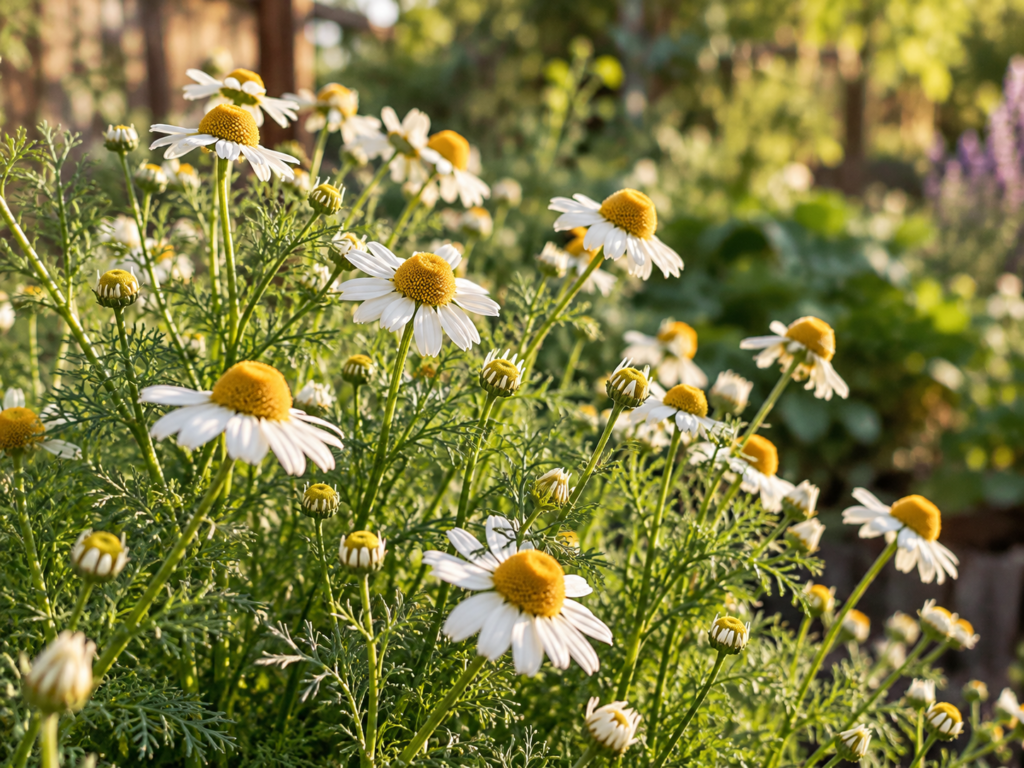
Chamomile
Matricaria chamomilla
Calming • Nervine • Digestive
A gentle aromatic herb traditionally used to support relaxation, ease nervous tension, and settle mild digestive discomfort.
Explore Chamomile →
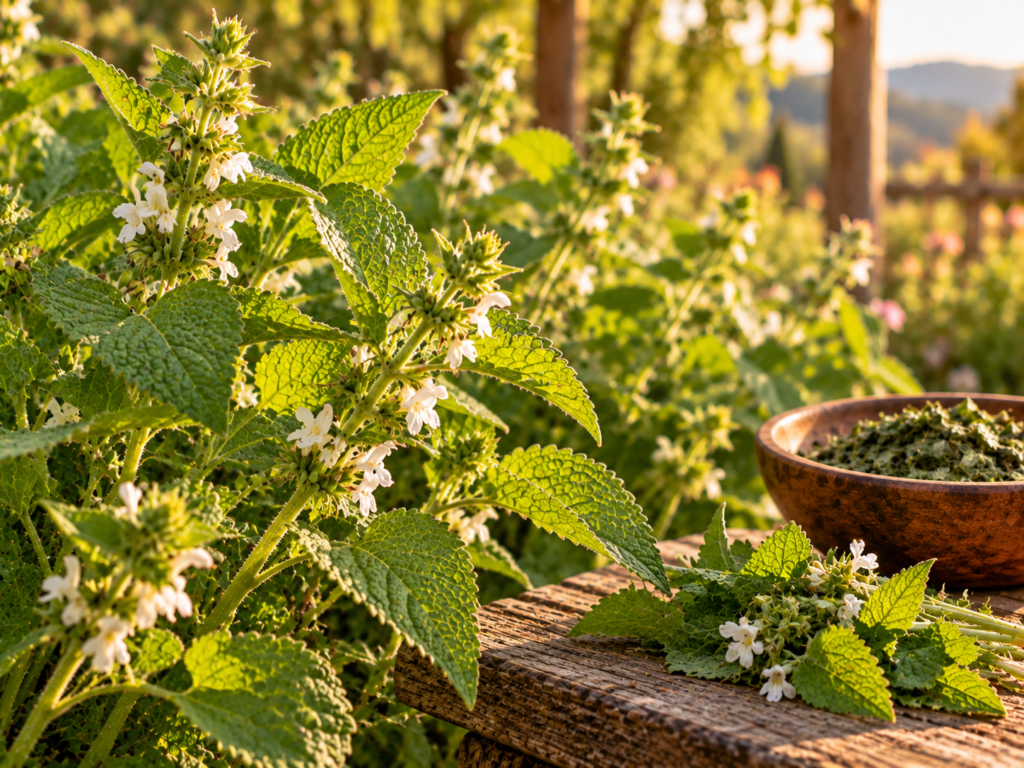
Lemon Balm
Melissa officinalis
Nervine • Calming • Carminative
A bright, aromatic herb traditionally used to ease nervous tension, support relaxation, and gently settle digestion when stress and restlessness overlap.
Explore Lemon Balm →
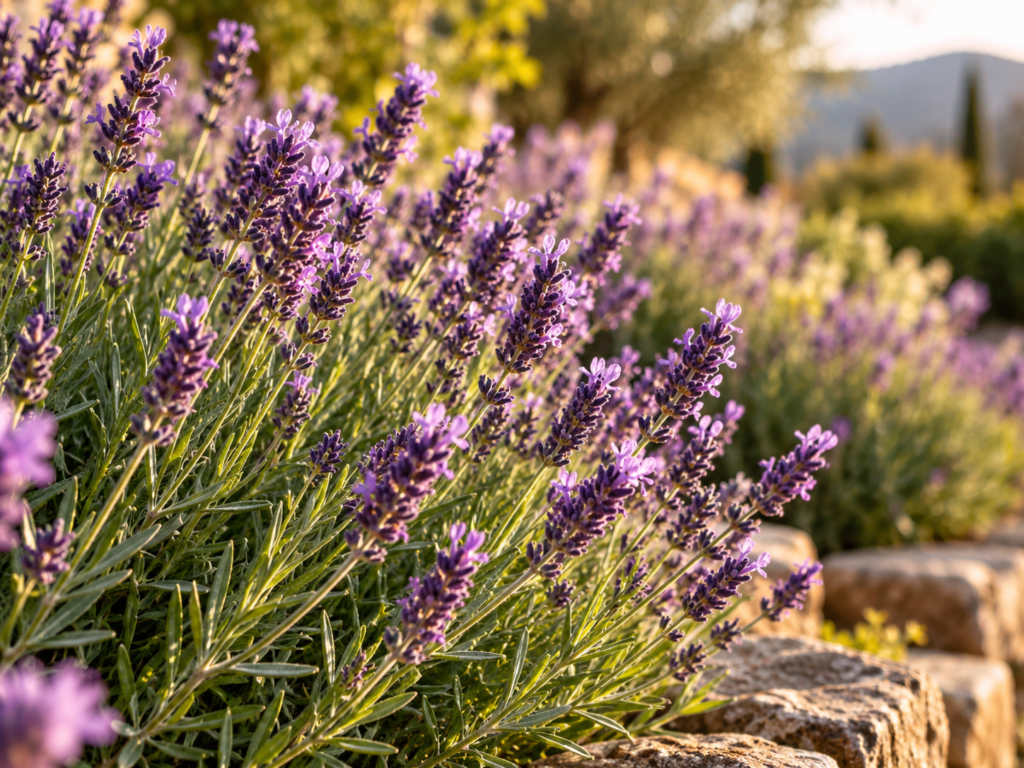
Lavender
Lavandula angustifolia
Calming • Nervine • Aromatic
An aromatic herb traditionally used to ease nervous tension, encourage relaxation, and bring a gentle sense of calm to evening routines.
Explore Lavender →
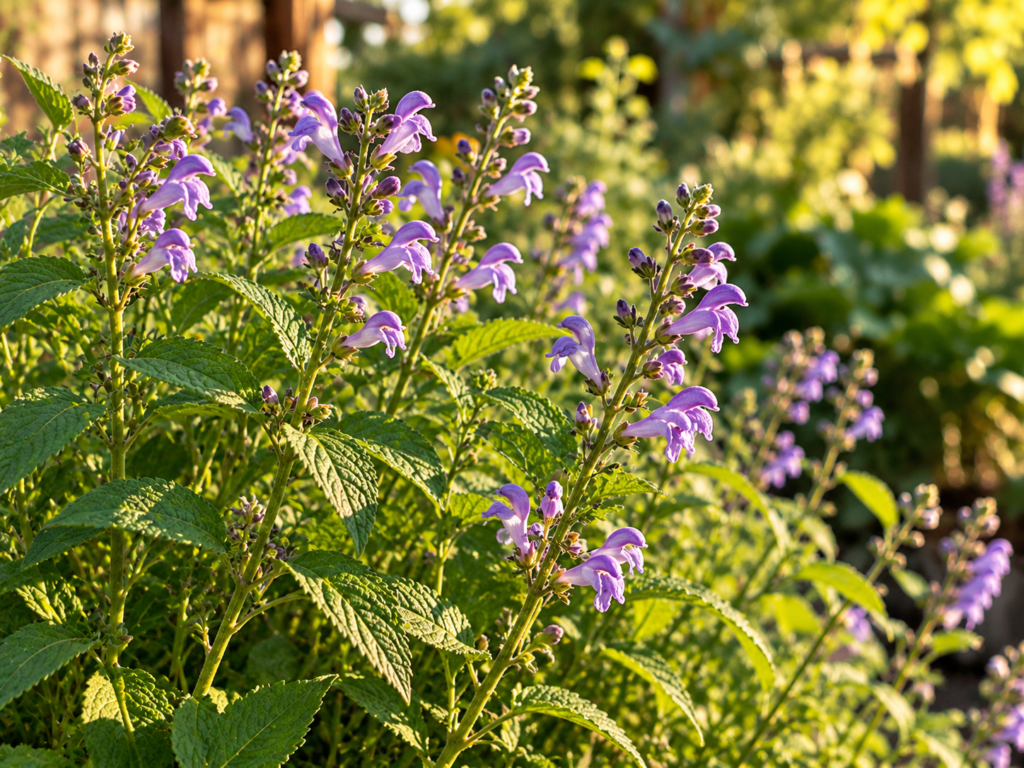
American Skullcap
Scutellaria lateriflora
Nervine • Calming • Relaxing
A traditional nervine herb used to ease nervous tension, support relaxation, and help settle a restless or overstimulated nervous system.
Explore American Skullcap →
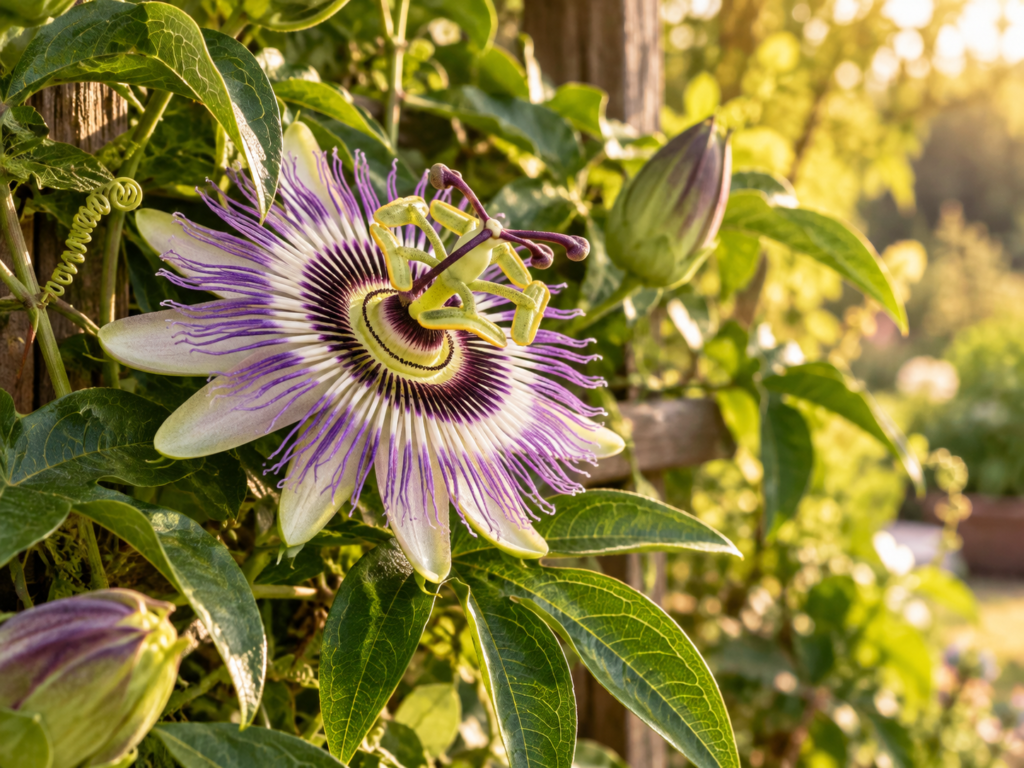
Passionflower
Passiflora incarnata
Nervine • Calming • Relaxing
Traditionally used for nervous restlessness and difficulty settling into sleep.
Explore Passionflower →

Hops
Humulus lupulus
Sedative • Nervine • Bitter
A deeply aromatic bitter herb traditionally used to ease restlessness, support relaxation, and help the body settle into sleep when winding down feels difficult.
Explore Hops →
Ways to Prepare for Rest
How an herb is prepared can shape the experience as much as the herb itself. For an evening routine, simple preparations can become part of the transition from a busy day into a quieter night.
WARM HERBAL TEA
Make Tea Part of the Wind-Down
A warm infusion can turn herbs such as chamomile, lemon balm, lavender, or passionflower into a simple evening ritual. The warmth, aroma, and few quiet minutes spent preparing the tea can become part of winding down.
TINCTURES
Simple + Concentrated
Tinctures offer a concentrated, convenient way to use herbs without preparing a full cup of tea. They can be especially practical when an evening routine needs to stay simple or when an herb’s flavour is particularly strong.
AROMATIC RITUALS
Create a Calmer Atmosphere
Aromatic herbs such as lavender can become part of the environment around rest. Sachets, aromatic baths, or other gentle scent-based rituals can help create a recognizable transition into the evening.
Build an Evening Rhythm
Herbs can be one part of a broader wind-down routine. A few consistent cues can help create a clearer transition between the activity of the day and the quieter pace of evening.
01
Begin the Transition
Lower the lights, step away from stimulating tasks, and begin your evening preparation before you are already exhausted.
02
Choose Your Herbal Ritual
Prepare a warm tea, use a tincture, or bring a gentle aromatic ritual into the evening. Keep it simple enough that it is easy to repeat.
03
Give Yourself Time to Settle
Allow some quiet space between the day and sleep. Reading, stretching, journaling, or another low-stimulation activity can accompany the herbal ritual without turning bedtime into another complicated routine.
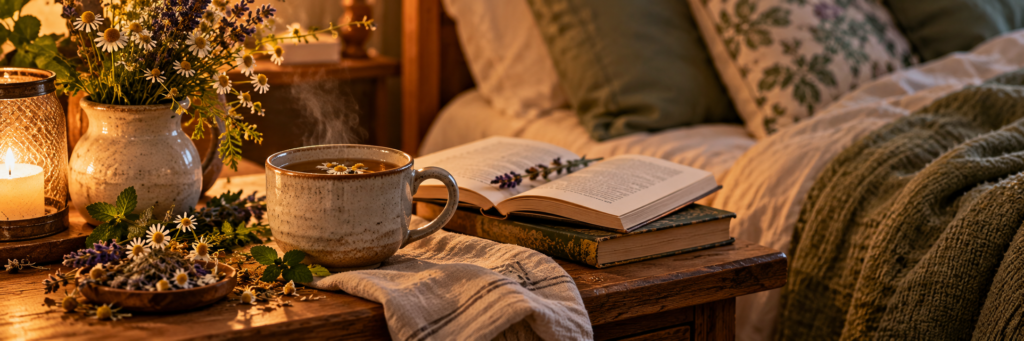
Keep Exploring
Continue building your evening routine with practical guides and herbal resources from Rooted Traveler Co.
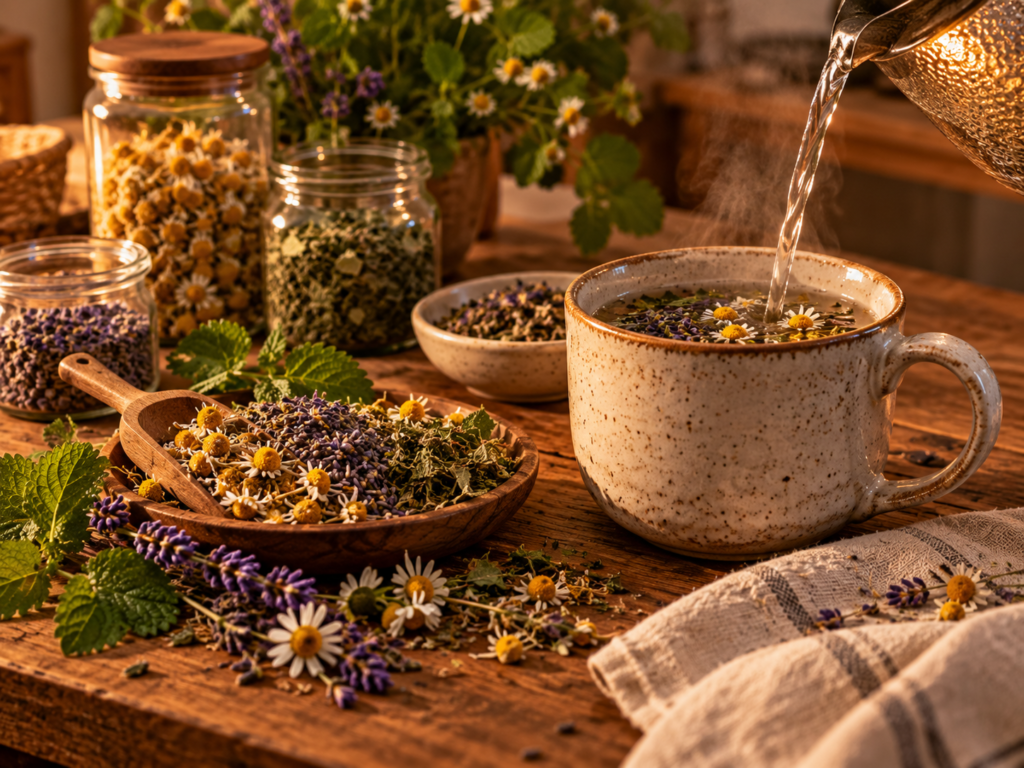
Herbal Sleep + Nervous System Calm
Explore herbs, preparations, and simple routines for supporting relaxation, nervous tension, and a more settled evening.
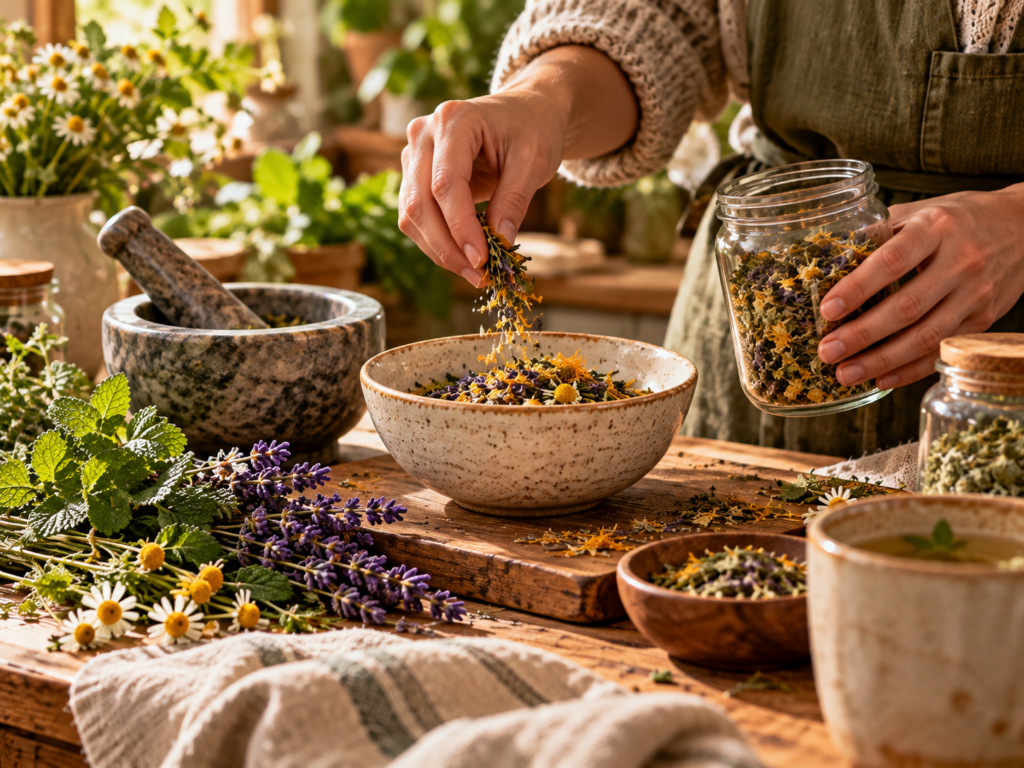
Herbal Support for Stress + Anxiety
Explore herbs traditionally used for nervous tension, restlessness, overwhelm, and everyday emotional support.
Explore Herbs A–Z
Browse the herbal library for traditional uses, preparations, growing notes, safety considerations, and practical ways to work with each plant.