

HERB PROFILE
Chamomile
Matricaria chamomilla
Gentle, aromatic flowers traditionally used for digestive comfort and nervous-system support. Chamomile is especially at home in teas and simple preparations for winding down, easing digestive tension, and everyday calm.
Calming • Digestive • Gentle
Family: Asteraceae · Parts used: Flowers
At A Glance
Key Actions
Nervine · Carminative · Mild sedative
Best Known For
Calm + relaxation · Digestive comfort · Gentle evening support
Common Preparations
Tea · Infusion · Compress · Bath
Traditional Uses + Modern Context
Chamomile has a long history of use in European herbal traditions, especially for digestive discomfort, restlessness, and relaxation. The flowers are most commonly prepared as tea and have traditionally been used for complaints such as gas, digestive tension, and difficulty settling down at the end of the day.
Modern research has explored chamomile for several of these uses, including anxiety, sleep, and digestive concerns. Some human studies have reported promising results, particularly for anxiety, but the evidence varies considerably by preparation and condition. Its traditional use is broader and more established than the current clinical evidence, so chamomile is best presented as a gentle traditional herb for relaxation and digestive comfort rather than as a proven treatment.
Traditionally Used For
Digestive discomfort + gas
Restlessness + nervous tension
Relaxation + evening support
Gentle everyday digestive care
Herbal Actions
Chamomile’s actions help explain its long-standing place in both digestive and calming herbal traditions. These terms describe some of the ways herbalists traditionally understand the flower’s qualities and uses.
Nervine
Traditionally used to gently calm and support the nervous system, particularly during periods of restlessness, tension, or difficulty winding down.
Carminative
Traditionally used to ease digestive tension and discomfort associated with gas, bloating, and cramping.
Mild Sedative
Traditionally used to encourage relaxation and support settling into rest, especially when nervous tension makes it difficult to unwind.
Explore by Need
Looking for a practical way to use chamomile? Start with the kind of support you’re looking for, then explore the preparations that fit.
Calm + Relaxation
Chamomile tea is traditionally used during periods of nervous tension, restlessness, or overwhelm when a little gentle support can help you settle.
Digestive Comfort
Chamomile is traditionally used for gas, bloating, cramping, and digestive tension, particularly when discomfort seems connected with stress or nervousness.
Evening + Bedtime Support
A warm cup of chamomile tea can become part of a simple evening routine, traditionally used to encourage relaxation and make it easier to wind down before sleep.
Preparations
Chamomile is most often prepared as a tea, but the flowers also work well in simple external preparations. Choose the method that best fits whether you’re looking for digestive support, relaxation, or gentle topical care.
Tea
Steep dried chamomile flowers in hot water for a simple aromatic tea. This is the most familiar preparation for digestive comfort, relaxation, and everyday calming support.
Strong Infusion
A stronger infusion uses more chamomile or a longer steep to create a more concentrated water-based preparation. It can be enjoyed as a tea or cooled for external use.
Compress
A cooled chamomile infusion can be applied externally with a clean cloth as a gentle compress for irritated or uncomfortable skin.
Bath
Chamomile flowers or a strained strong infusion can be added to bathwater for an aromatic, relaxing soak and gentle contact with the skin.
Growing Chamomile
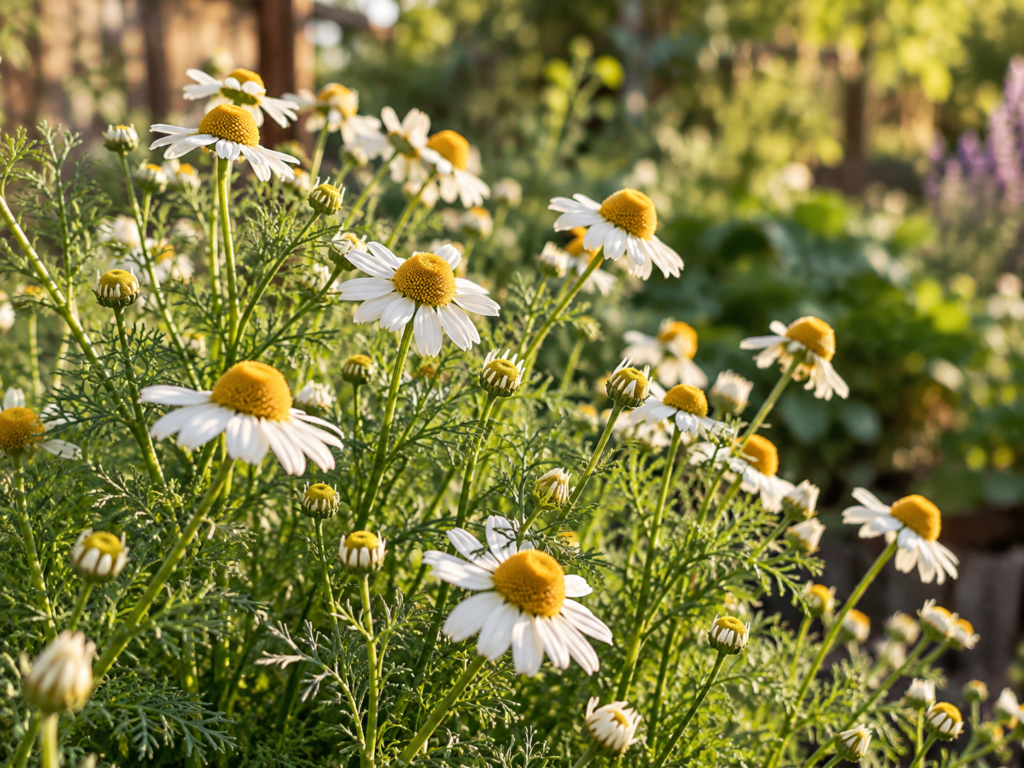
German chamomile is an easy annual herb that grows readily from seed and produces masses of small, daisy-like flowers through the warmer months. Give it plenty of sun, well-drained soil, and regular picking to encourage continued flowering.
SUN
Light
Full sun is best, although chamomile can tolerate some light shade. In very hot conditions, a little afternoon shade can help reduce stress on the plants.
CARE
Soil + Water
Grow in well-drained soil and water regularly while seedlings establish. Once growing well, chamomile is fairly tolerant of drier conditions and generally performs better without overly rich or constantly wet soil.
PLANTING
Sowing + Flowering
Sow the tiny seeds on the soil surface in spring, pressing them gently into place rather than burying them deeply because they need light to germinate. German chamomile grows quickly and regular flower harvesting encourages the plant to keep producing blooms.
Harvesting and Drying
Chamomile flowers are harvested repeatedly as they open, and frequent picking encourages the plants to keep producing. Careful drying helps preserve their aroma and gives you flowers that can be stored for teas, infusions, and other preparations.
When to Harvest
Pick fully opened flower heads on a dry day, ideally after morning moisture has evaporated. Harvest while the white petals are still fresh and the yellow centers are bright and intact.
What to Gather
Harvest the flower heads with as little stem as practical. The flowers are the primary part used in German chamomile preparations and can be picked by hand or gathered with a chamomile rake when growing larger quantities.
Drying + Storage
Spread the flowers loosely in a single layer with good airflow and dry them away from direct sunlight. Once completely dry, store them in an airtight container away from heat, moisture, and light to help preserve their aroma and quality.
Safety + Considerations
Chamomile is widely used as a gentle everyday herb, but even familiar plants deserve a little care. Individual sensitivity, allergies, medications, and the form of preparation can all affect whether it is appropriate for you.
Asteraceae Allergies
Chamomile belongs to the Asteraceae family. People with a known allergy to chamomile or other plants in this family—such as ragweed, chrysanthemums, or daisies—should avoid chamomile preparations because allergic reactions can occur.
Medications + Pregnancy
Chamomile may interact with some medications, and concentrated preparations or supplements deserve more caution than an occasional cup of tea. If you take prescription medications, are pregnant or breastfeeding, or plan to use chamomile regularly in larger amounts, check with a qualified healthcare professional.
Topical Use
Chamomile can occasionally cause skin irritation or an allergic reaction. When trying a new topical preparation, test a small area first and discontinue use if redness, itching, swelling, or other irritation develops.
This page is educational and is not a substitute for individualized medical advice.
Keep Exploring
Chamomile connects naturally with other herbs traditionally used for relaxation, digestive comfort, and gentle everyday support. Continue exploring related plants in the Rooted Library.
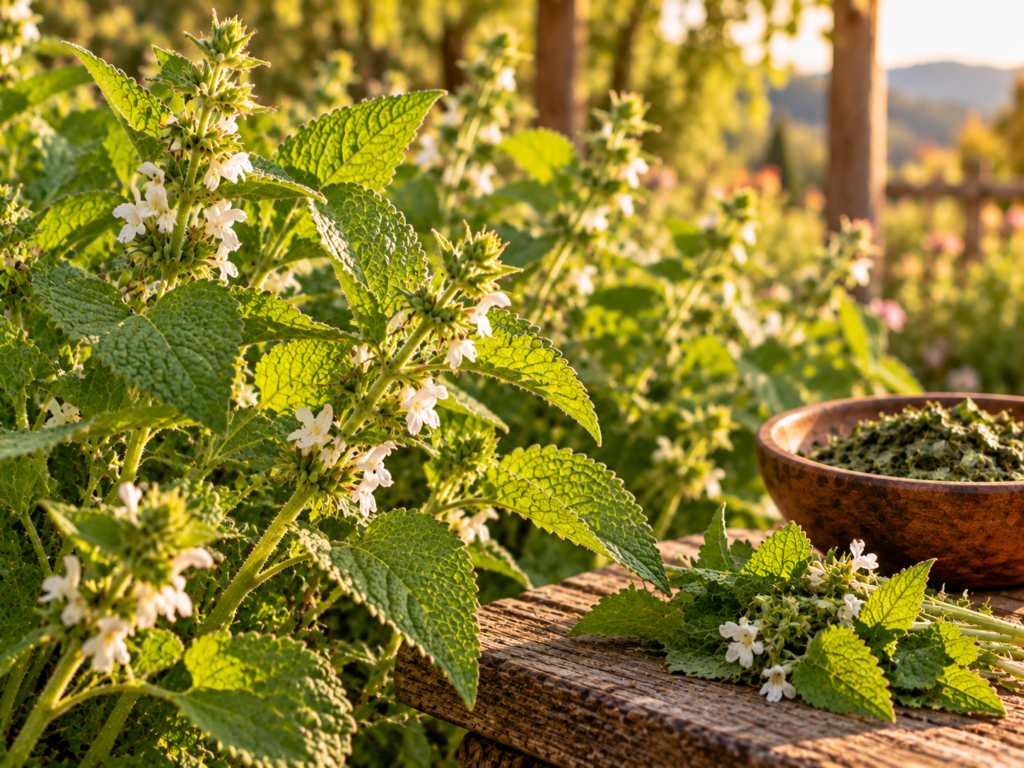
Lemon Balm
A gentle aromatic herb traditionally used for nervous tension, digestive comfort, and everyday calm.
Explore Lemon Balm →

Peppermint
A cooling aromatic herb traditionally used for digestive discomfort, gas, bloating, and occasional nausea.
Explore Peppermint →
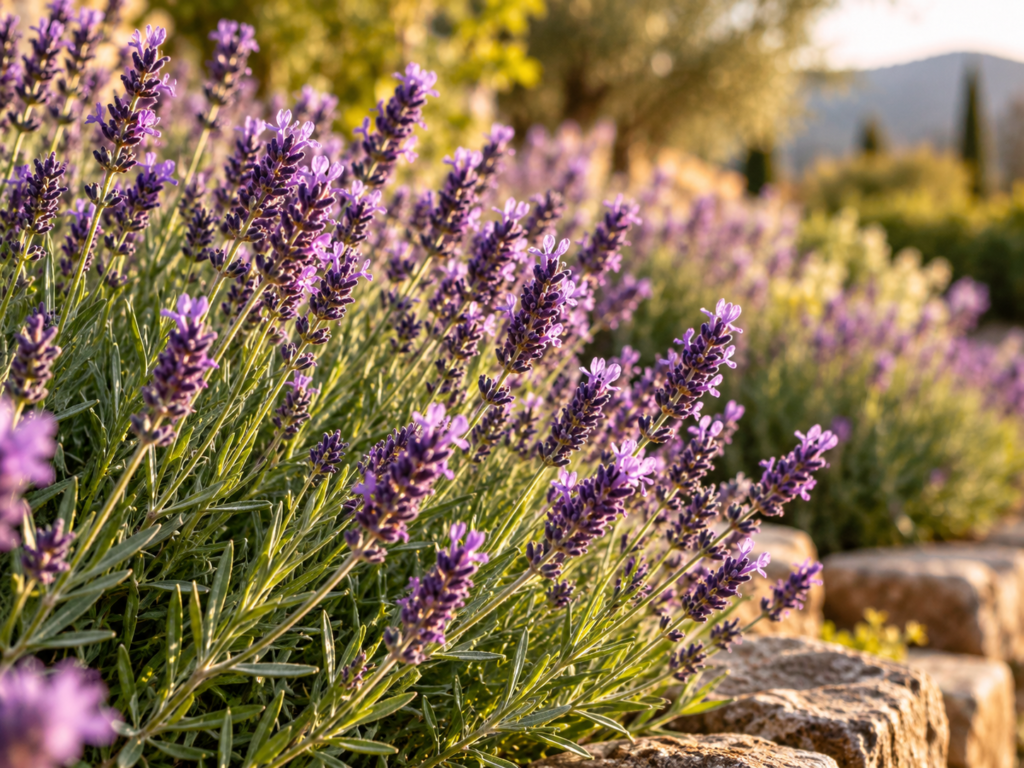
Lavender
An aromatic herb with a long tradition of use for relaxation, nervous tension, and calming routines.
Explore Lavender →
Related Rooted Traveler Co. Guides
Want to go deeper? These Rooted Traveler Co. guides expand on chamomile’s most practical uses, from nervous-system support and digestive comfort to building simple herbal routines.
Herbal Sleep Guide
Create a more intentional evening routine with calming herbs, bedtime tea blends, and simple herbal practices designed for winding down.
Digestion: Gas & Bloating Herbal Support
Explore practical herbal approaches to digestive discomfort, including herbs traditionally used for gas, bloating, and digestive tension.
Herbal Stress & Anxiety Guide
Explore calming herbs, nervines, practical herbal support tools, and tea blends for moments of stress, tension, and overwhelm.
Sources + Further Reading
Want to dig deeper? These sources offer additional information on German chamomile’s traditional uses, modern research, safety, and herbal-medicine context.
European Medicines Agency (EMA)
Matricariae flos – Herbal Medicinal Product
European Medicines Agency, Committee on Herbal Medicinal Products (HMPC).
Excellent for the traditional-use evidence behind digestive complaints and topical applications. European Medicines Agency (EMA)
Read the EMA monograph →
National Center for Complementary and Integrative Health (NCCIH)
Chamomile: Usefulness and Safety
National Institutes of Health.
Useful overview of current human research, including anxiety and sleep, plus allergies, medication interactions, pregnancy, and general safety. NCCIH
Read the NCCIH overview →
Dai Y-L, Li Y, Wang Q, et al.
Chamomile: A Review of Its Traditional Uses, Chemical Constituents, Pharmacological Activities and Quality Control Studies.
Molecules. 2023;28(1):133.
A broad scientific review covering chamomile’s history of use, constituents, pharmacology, safety research, and quality control. PubMed Central (PMC)
Read the research review →