

HERBAL ACTIONS A–Z
Hypnotic
HIP-not-ik
A hypnotic is an herb traditionally used to encourage sleep or help with falling asleep. In herbalism, hypnotic herbs are associated with sleep support, particularly when restlessness, nervous tension, or difficulty winding down interferes with rest.
Hypnotic herbs vary in their strength and traditional uses. Some gently encourage sleepiness, while others are associated with more pronounced sedating effects. Their suitability depends on the individual plant, preparation, and amount used.
UNDERSTANDING THE ACTION
In Plain English
Think of hypnotic as a term for herbs traditionally associated with encouraging sleep. Herbalists use it for plants that may help someone fall asleep, particularly when restlessness or nervous tension makes settling down difficult.
Some hypnotic herbs are gently calming, while others have stronger sleep-promoting qualities. Their traditional uses overlap with sedatives, but the emphasis is specifically on encouraging sleep rather than relaxation alone.
THE KEY DISTINCTION
Hypnotic ≠ Sedative
A hypnotic is associated specifically with encouraging sleep, while a sedative describes a broader calming or drowsiness-promoting effect. Many herbs have both qualities, but the terms emphasize different aspects of their traditional use.
HOW HYPNOTICS DIFFER
Types of Hypnotics
Not all hypnotic herbs are used in the same way. Herbal traditions distinguish between gently sleep-promoting plants, herbs used when nervous tension interferes with sleep, and those associated with stronger sedating effects.
01 · GENTLE SLEEP SUPPORT
Mildly Hypnotic Herbs
Herbs traditionally used to encourage relaxation and ease the transition into sleep, particularly when mild restlessness makes settling down difficult.
Examples: Chamomile · Lemon Balm
02 · SETTLING RESTLESSNESS
Calming Hypnotic Herbs
Herbs traditionally associated with encouraging sleep when nervous tension, agitation, or difficulty winding down interferes with a restful evening.
Examples: Passionflower · California Poppy
03 · PRONOUNCED SEDATION
More Strongly Hypnotic Herbs
Herbs traditionally valued for more pronounced sleep-promoting or sedating qualities. Their use calls for greater attention to preparation, amounts, and possible interactions.
Examples: Valerian · Hops
MEET THE PLANTS
Herbs Associated With Hypnotic Action
Hypnotic herbs vary in their traditional uses, from gently encouraging sleep to supporting rest when nervous tension or restlessness makes falling asleep difficult. Explore these plants to understand their individual qualities, preparations, and considerations.
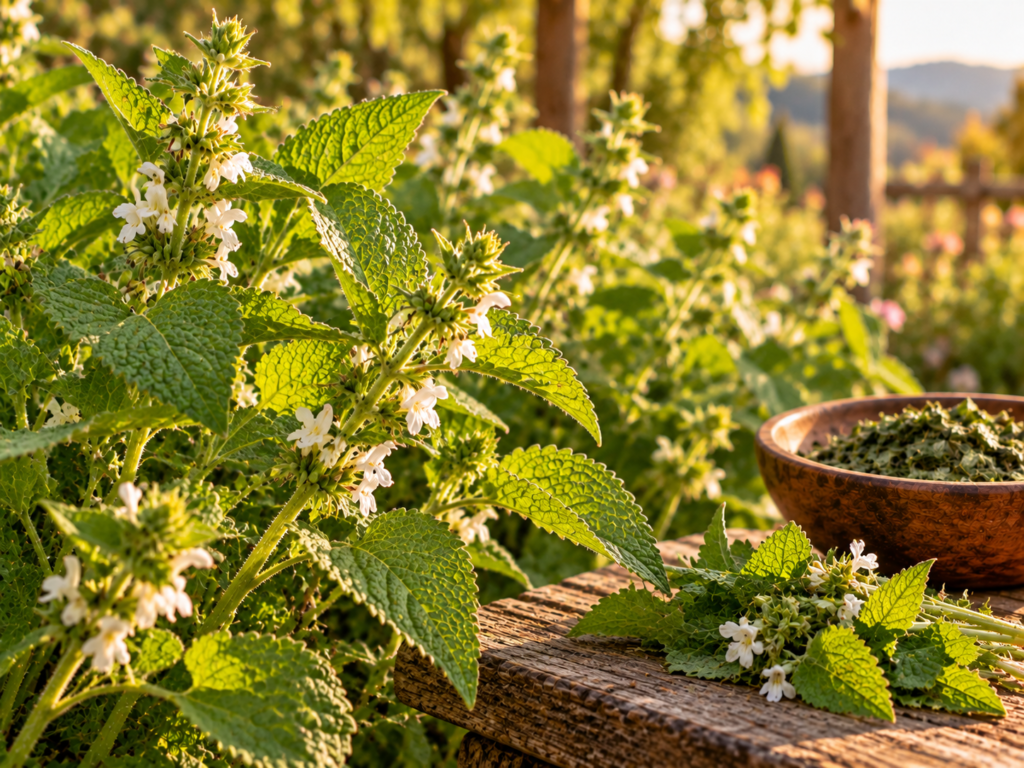
Lemon Balm
A gently calming herb traditionally used to ease restlessness and encourage relaxation, particularly when nervous tension makes falling asleep difficult.

Chamomile
A familiar evening herb traditionally enjoyed in calming teas to encourage relaxation and help prepare for a restful night’s sleep.

Passion Flower
Traditionally valued for its calming and sleep-supporting qualities, particularly when racing thoughts, restlessness, or nervous tension interfere with sleep.
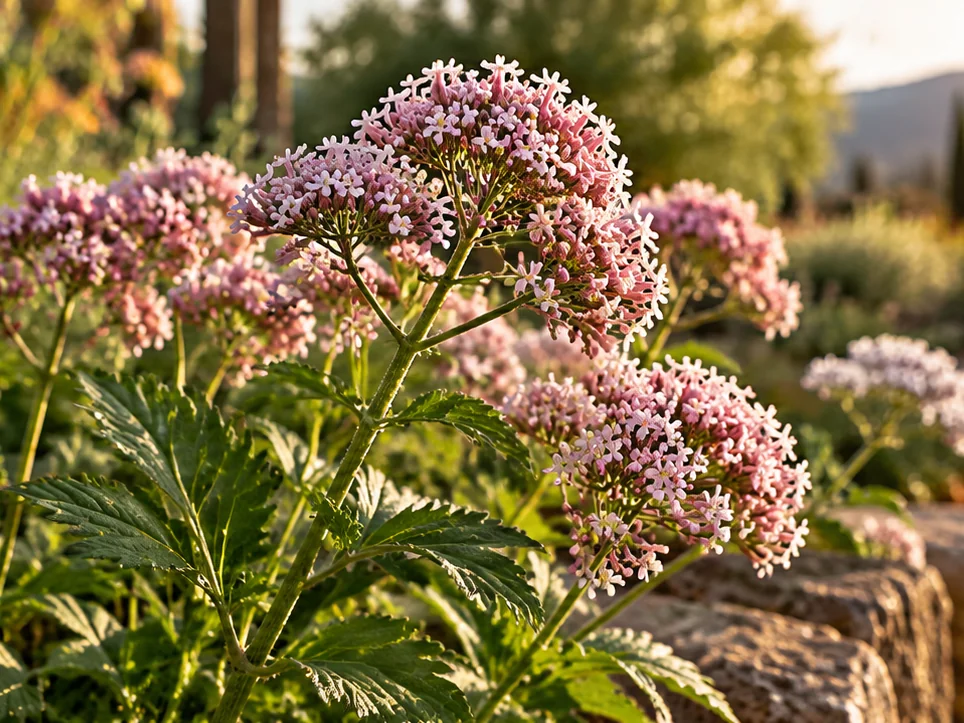
Valerian
Traditionally valued for its pronounced sleep-promoting qualities, particularly when restlessness or nervous tension makes falling asleep difficult.
Explore Valerian →
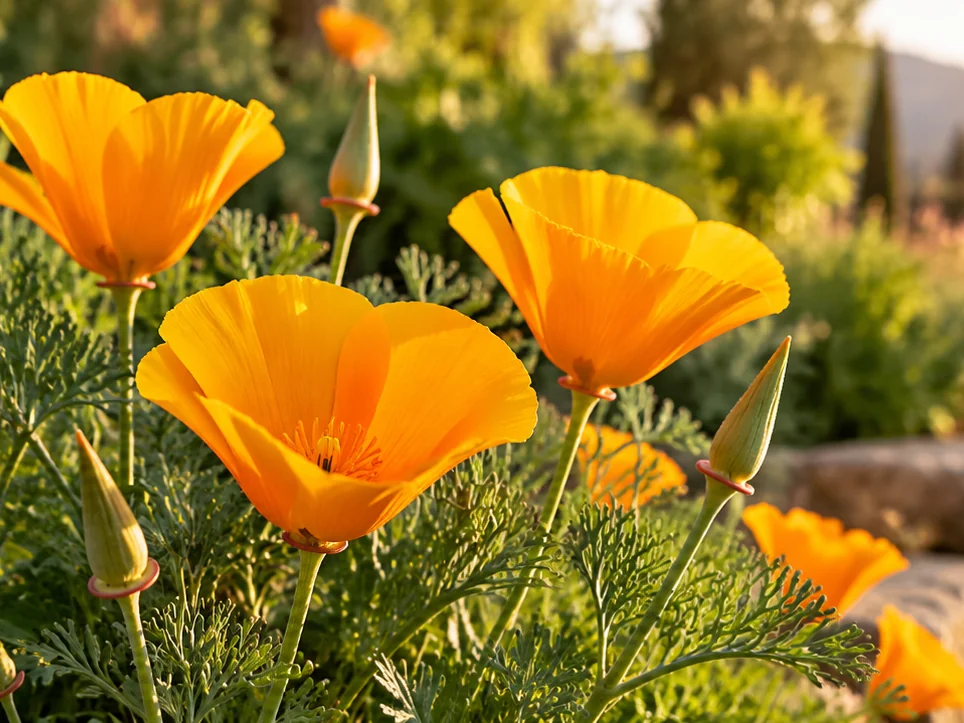
California Poppy
A gentle, traditionally calming herb associated with easing nervous restlessness and encouraging sleep, especially in evening preparations.
Explore California Poppy →
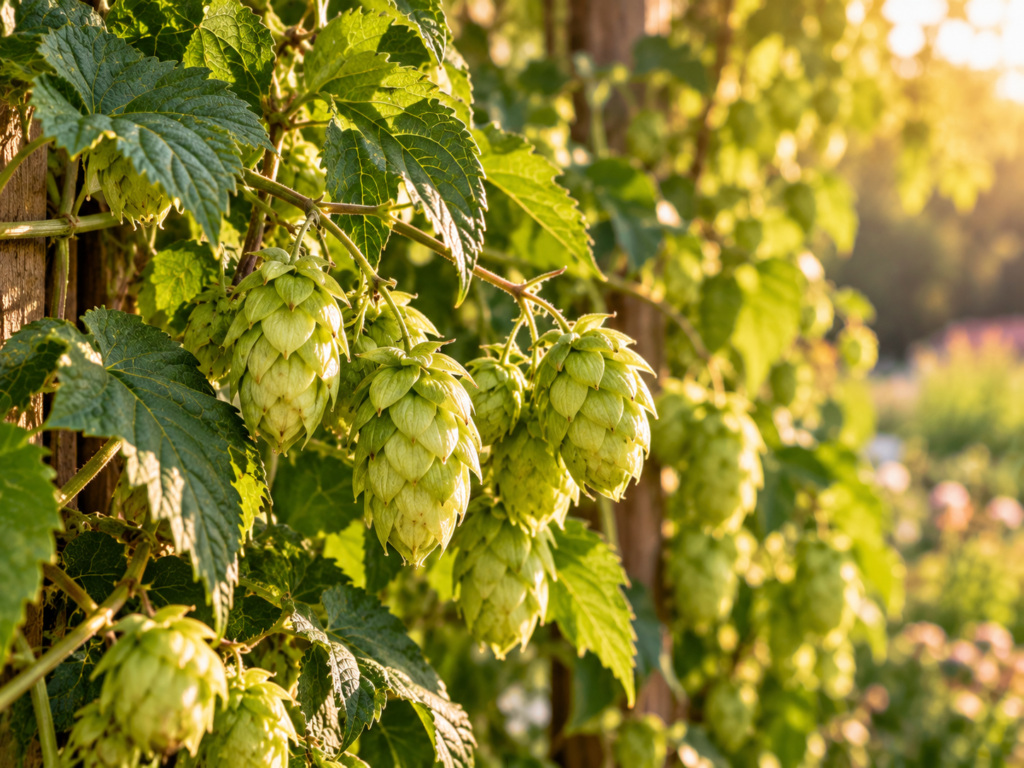
Hops
A bitter herb traditionally used in sleep-focused preparations, particularly for encouraging relaxation and sleepiness when restlessness interferes with rest.
EXPLORE BY NEED
Where Hypnotic Herbs Fit Into Everyday Life
Hypnotic herbs are traditionally associated with encouraging sleep and helping the body settle into rest. Explore these related topics to see how calming and sleep-supporting herbs fit into everyday routines.
01 · CALM + BALANCE
Stress + Anxiety
Explore herbs and everyday practices traditionally associated with easing nervous tension, encouraging calm, and supporting emotional well-being.
02 · EVENING + REST
Sleep + Rest
Discover herbs traditionally associated with winding down, settling restlessness, and creating a more restful evening routine.
PREPARING HYPNOTIC HERBS
Common Herbal Preparations
Hypnotic herbs are traditionally prepared in several ways to encourage relaxation and sleep. The preparation depends on the individual plant, with teas, tinctures, and capsules among the most familiar approaches.
01
Teas & Infusions
Warm infusions made with herbs such as passionflower, hops, and chamomile are traditionally enjoyed in evening routines to encourage relaxation and help prepare for sleep.
02
Tinctures & Liquid Extracts
Concentrated liquid preparations are commonly made from herbs such as valerian, passionflower, and hops. Their strength and appropriate amounts depend on the individual herb and formulation.
03
Capsules & Dry Extracts
Some hypnotic herbs, particularly valerian and hops, are available as capsules or standardized dry extracts. These offer an alternative to herbal teas, with preparations varying in concentration and composition.
RELATED HERBAL ACTIONS
How Hypnotics Compare to Other Herbal Actions
Herbal actions often overlap. A plant may be described as hypnotic while also having sedative, nervine, or antispasmodic qualities. Understanding these distinctions helps explain how different herbs are traditionally used for relaxation and sleep.
01 · CALMING EFFECTS
Hypnotics vs. Sedatives
Hypnotics are associated specifically with encouraging sleep, while sedatives describe a broader calming or drowsiness-promoting effect. The two actions frequently overlap, but a calming herb does not necessarily have strong sleep-promoting qualities.
02 · NERVOUS SYSTEM
Hypnotics vs. Nervines
Nervines are a broad traditional category of herbs used for nervous-system support. Hypnotics are more specifically associated with encouraging sleep. Some plants, such as passionflower and hops, may be described using both terms.
03 · EASING SPASMS
Hypnotics vs. Antispasmodics
Hypnotics are traditionally associated with promoting sleep, while antispasmodics are used to ease involuntary muscle spasms or cramping. Some herbs, including valerian, have traditionally been valued for both qualities.
CONTINUE EXPLORING
Explore Related Herbal Actions
Hypnotic herbs share qualities with several other herbal actions, particularly those associated with calming the nervous system and easing physical tension. Explore these related categories to understand where their traditional uses overlap and differ.
USING HERBS THOUGHTFULLY
Safety & Considerations
Hypnotic herbs are traditionally associated with encouraging sleep and may cause drowsiness. Their effects and precautions vary depending on the individual plant, preparation, amount used, and other medications or substances being taken.
Different Herbs, Different Considerations
Some hypnotic herbs are used in gentle evening teas, while others are available in more concentrated preparations. The hypnotic classification alone does not indicate how strongly a particular herb may affect alertness.
For example, valerian and hops may increase drowsiness when combined with alcohol or sedating medications. Driving and other activities requiring alertness should be avoided when a preparation causes sleepiness.
BEFORE CHOOSING AN HERB
Look Beyond the Label
Consider the individual herb, its preparation, and possible interactions. Pregnancy, medications, alcohol use, and existing health conditions may affect which preparations are appropriate.
Start with the individual herb profile, not the action category alone.
FROM THE ROOTED LIBRARY
Continue Learning
Interested in exploring hypnotic herbs beyond their traditional classification? Our practical herbal guides bring together sleep-supporting plants, herbal preparations, and simple evening rituals to help you create a restful bedtime routine.
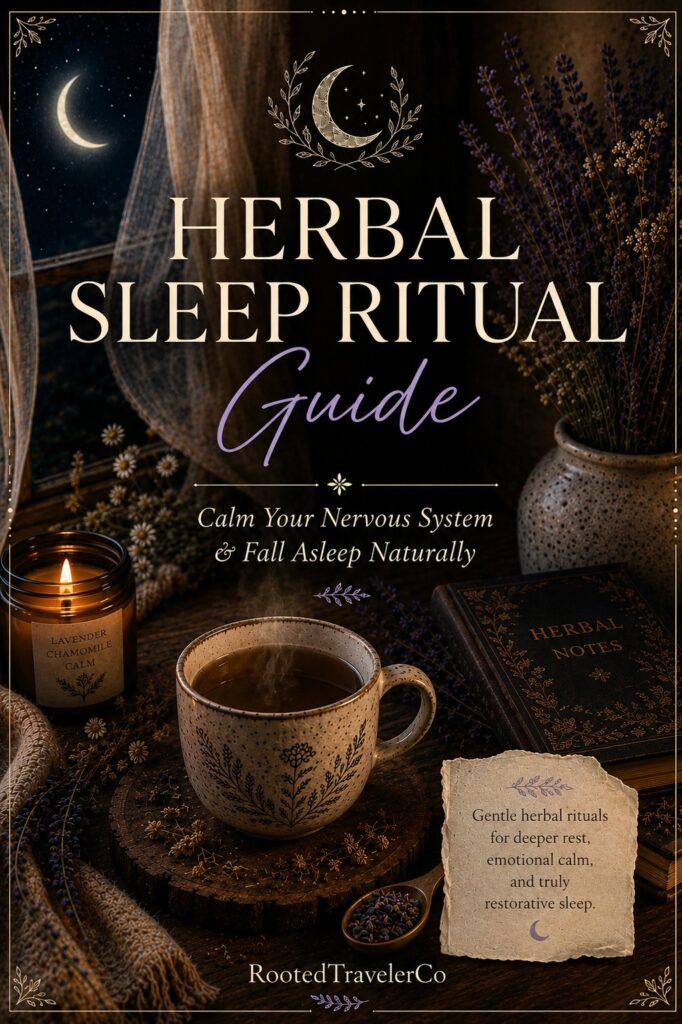
FEATURED HERBAL GUIDE
Herbal Sleep Ritual Guide
Explore calming herbs, traditional herbal preparations, and simple routines for winding down. This practical digital guide introduces plant-based approaches to relaxation, evening rituals, and preparing for restful sleep.
FURTHER READING
Sources & References
Hypnotic is a traditional herbal action describing plants associated with encouraging sleep. These herbs vary in their effects, preparations, and precautions. For plant-specific information, consult established herbal monographs and research references.
European Medicines Agency (EMA) — Herbal Monographs
NCCIH — Herbs at a Glance
Kew Science — Plants of the World Online
Traditional herbal classifications are descriptive rather than standardized medical categories. Individual herb profiles should be consulted for plant-specific information.