
HERB PROFILE
Lavender
Lavandula angustifolia
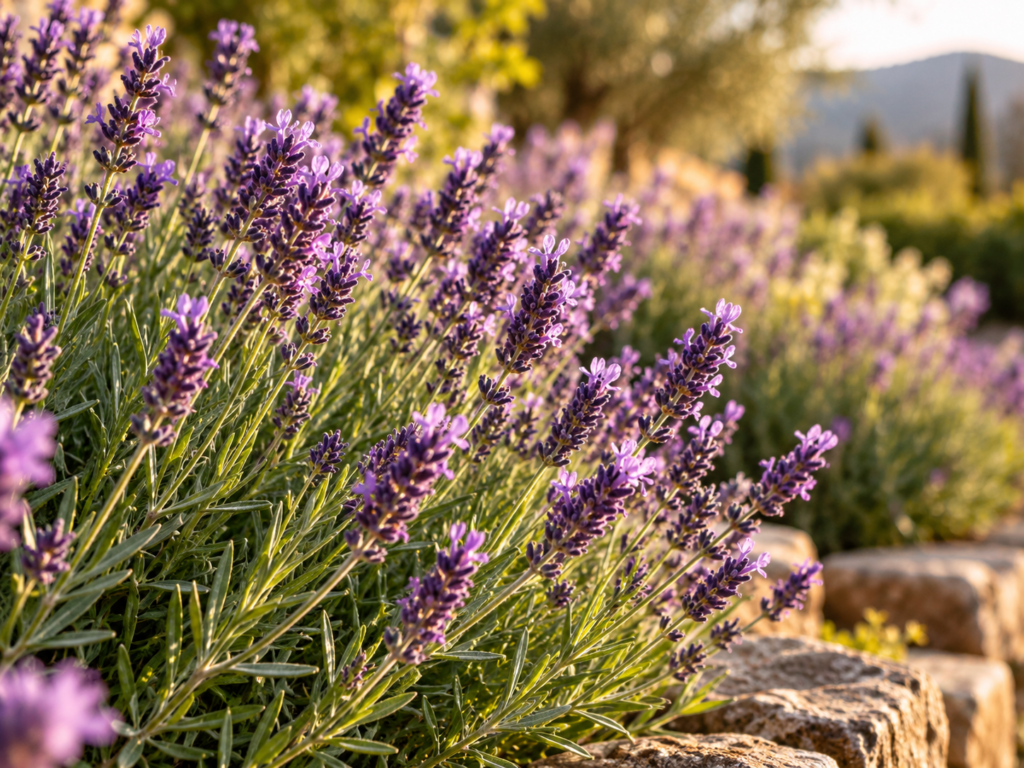
Lavender is an aromatic perennial with a long history in European herbal traditions. Its fragrant flowering tops are especially valued for relaxation, nervous-system support, and gentle digestive comfort, while its distinctive aroma has made it equally familiar in teas, baths, oils, and other topical preparations.
Nervine • Calming • Aromatic
Family: Lamiaceae · Parts used: Flowers + flowering tops
At A Glance
Key Actions
Nervine · Calming · Aromatic
Best Known For
Relaxation · Nervous tension · Evening calm
Common Preparations
Tea · Tincture · Infused oil · Bath
Traditional Uses + Modern Context
Lavender has a long history in European herbal traditions, where the flowering tops have been used for nervous tension, restlessness, digestive discomfort, and difficulty settling into sleep. Its aromatic qualities have also made lavender a familiar addition to baths, infused oils, and other preparations intended to encourage relaxation.
Modern research has explored lavender for anxiety, sleep, stress, and mood, with some clinical evidence supporting particular standardized oral lavender preparations and aromatherapy applications. Results vary by preparation and use, however, and findings from standardized extracts should not automatically be applied to lavender tea, essential oil, or other preparations. Its traditional role as a gentle aromatic nervine remains an important part of its herbal use.
Traditionally Used For
Nervous tension + restlessness
Relaxation + evening calm
Mild digestive discomfort
Aromatic baths + topical preparations
Herbal Actions
Lavender’s traditional actions center on the nervous system, where its aromatic qualities have long made it a familiar herb for relaxation, nervous tension, and helping the body settle.
Nervine
Lavender is traditionally classified as a nervine, an herb used to support the nervous system. It is commonly chosen during periods of stress, restlessness, or nervous tension when gentle support is desired.
Calming
Lavender has a long tradition of use for encouraging relaxation and a calmer state, particularly when tension or a busy mind makes it difficult to unwind.
Aromatic
Lavender’s volatile aromatic compounds are central to both its scent and its herbal use. Its fragrant flowering tops are traditionally used in teas, baths, infused oils, and other preparations where their aroma contributes to lavender’s relaxing character.
Explore by Need
Looking for a practical way to use lavender? Start with the kind of support you’re looking for, then choose a preparation that fits the moment.
Nervous Tension
Lavender is traditionally used when stress leaves the body feeling tense, restless, or unable to fully unwind, making it a gentle option for everyday nervous-system support.
Evening Wind-Down
Lavender fits naturally into evening routines when a busy mind or lingering tension makes it difficult to settle. Tea, baths, and aromatic preparations are traditional ways to incorporate it.
Digestive Discomfort
Lavender has also traditionally been used for mild digestive discomfort, particularly when tension and nervousness seem to accompany an unsettled stomach.
Preparations
Lavender can be prepared in several simple ways, from tea and tincture to aromatic baths and infused oils. The best preparation depends on whether you’re looking for internal nervous-system support or a relaxing aromatic experience.
Tea
Dried lavender flowers can be steeped in hot water to make a fragrant herbal tea. Lavender is often used on its own or blended with other gentle nervines for relaxation and evening routines.
Tincture
Lavender flowering tops can be extracted in alcohol to create a concentrated, shelf-stable preparation. Tinctures offer a convenient way to incorporate small amounts of lavender into a calming herbal routine.
Infused Oil
Dried lavender flowers can be infused into a carrier oil for topical use. The finished oil can be used for massage or incorporated into salves and other body-care preparations.
Bath
Lavender flowers can be added to a warm bath, either loose in a reusable sachet or as a strong infusion added to the water, creating a simple aromatic preparation traditionally used for relaxation and winding down.
Growing Lavender
Lavender is a sun-loving perennial that thrives in warm, dry conditions and well-drained soil. Once established, it requires relatively little water and can return for many years when grown in conditions that keep its roots from remaining wet.
SUN
Light
Lavender grows best in full sun, ideally receiving at least six hours of direct sunlight each day. Plenty of light encourages compact growth, abundant flowers, and strongly aromatic growth.
CARE
Soil + Water
Plant lavender in loose, very well-drained soil. Allow the soil to dry between waterings once plants are established, as lavender is far more tolerant of dry conditions than consistently wet roots.
PLANTING
Planting + Growth
Lavender can be grown from seed, cuttings, or young plants, although cuttings and transplants establish more quickly. Space plants for good airflow and avoid burying the crown. In colder climates, good drainage and protection from winter moisture are especially important for successful overwintering.
Harvesting and Drying
Lavender is harvested primarily for its fragrant flowering stems. Timing the harvest carefully helps preserve the flowers’ aroma, appearance, and volatile oils for dried preparations.
When to Harvest
Harvest lavender when the flower spikes are beginning to open but before all the individual flowers are fully open. Choose a dry day after morning moisture has evaporated.
What to Gather
Cut flowering stems above the leafy growth, leaving enough foliage on the plant to continue growing. Choose healthy, aromatic stems free from damage or disease.
Drying + Storage
Gather stems into small, loose bundles and hang them upside down in a dry, well-ventilated place away from direct sunlight. Once completely dry, the flowers can be stripped from the stems and stored in an airtight container away from heat, moisture, and light.
Safety + Considerations
Lavender is widely used in teas, foods, baths, and topical preparations and is generally well tolerated. Concentrated products—particularly essential oil—require more care and should not be treated as interchangeable with lavender tea or other whole-herb preparations.
Essential Oil Use
Lavender essential oil is highly concentrated and should be diluted appropriately before topical use. It can irritate the skin in some people, and routine internal use of essential oil should not be treated as equivalent to using lavender flowers in tea or food.
Pregnancy + Breastfeeding
Safety information for concentrated medicinal lavender preparations during pregnancy and breastfeeding is limited. Culinary amounts are different from medicinal use, and concentrated products are best used with professional guidance during these periods.
Medications + Sedation
Lavender preparations may have calming effects. Use additional caution when combining concentrated lavender products with sedating medications, alcohol, or other strongly calming substances because their effects may overlap.
This page is educational and is not a substitute for individualized medical advice.
Keep Exploring
Lavender connects naturally with other gentle nervines traditionally valued for relaxation, nervous tension, and helping the body settle during periods of stress.
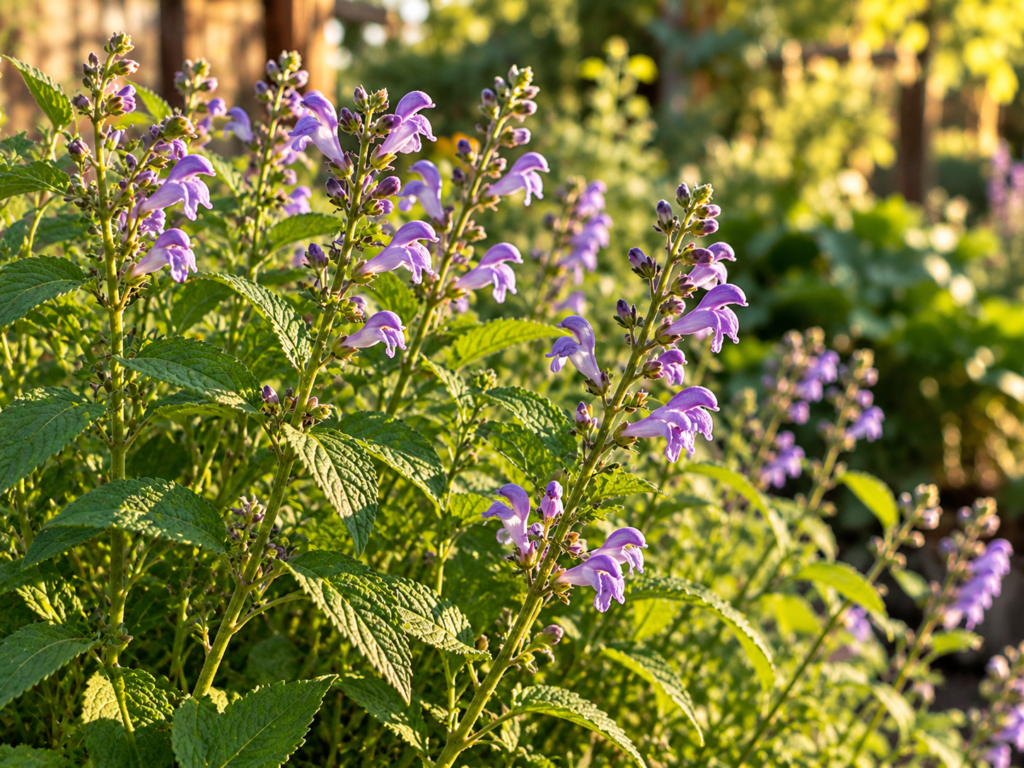
American Skullcap
A traditional nervine valued for easing nervous tension, restlessness, and helping the body settle during periods of stress.
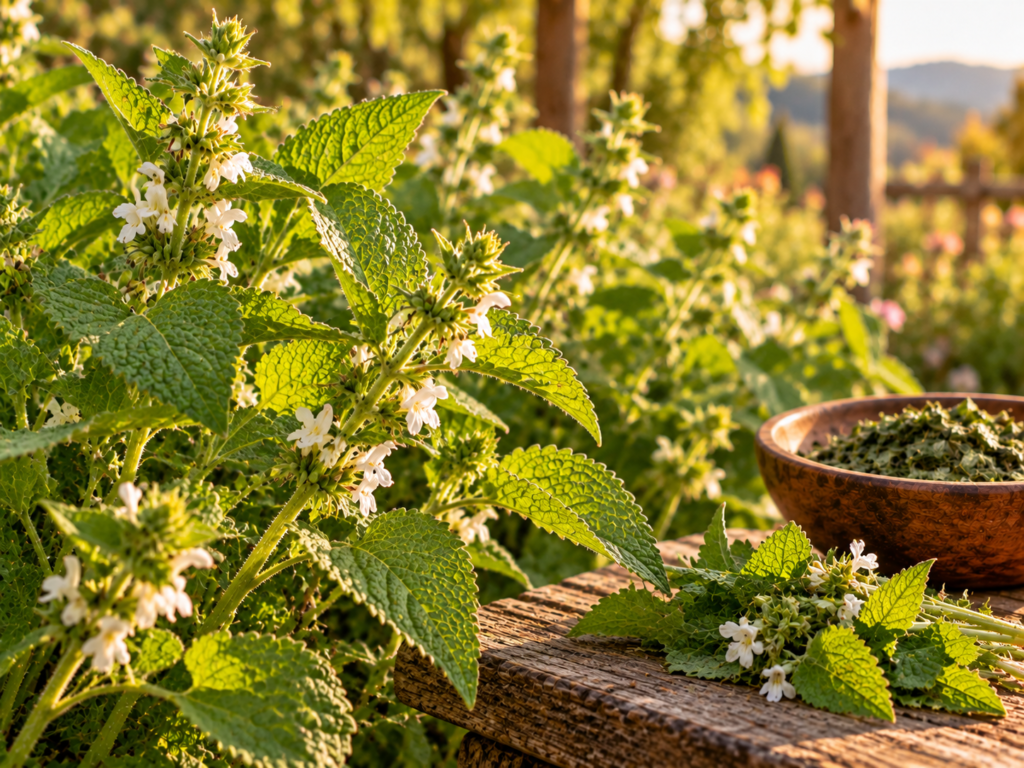
Lemon Balm
A gentle nervine traditionally used for nervous tension, restlessness, and digestive discomfort associated with stress.

Chamomile
A gentle aromatic herb traditionally used for relaxation, digestive comfort, and settling nervous tension.
Related Rooted Traveler Co. Guides
Want to go deeper? These Rooted Traveler Co. guides build on lavender’s place in nervous-system support, relaxation, and practical herbal preparations for everyday calm.
Herbal Sleep & Nervous System Calm Guide
Explore calming herbs and simple preparations traditionally used to support relaxation, evening routines, and a more settled nervous system.
Herbal Stress & Anxiety Guide
Learn about gentle nervines and practical herbal approaches traditionally used during periods of stress, tension, restlessness, and overwhelm.
DIY Herbal Oils & Salves
Learn the foundations of infused oils and salves, including practical ways to turn herbs into everyday topical preparations.
Sources + Further Reading
Want to dig deeper? These sources offer additional information on lavender’s traditional uses, nervous-system applications, modern research, preparations, and safety considerations.
European Medicines Agency (EMA)
European Union Herbal Monograph on Lavandula angustifolia Mill., flos.
An official European herbal monograph covering lavender flower and its traditional use for relief of mild symptoms of mental stress and exhaustion and to aid sleep.
European Medicines Agency — Lavender Flower
National Center for Complementary and Integrative Health (NCCIH)
Lavender.
An evidence and safety overview covering oral lavender preparations, aromatherapy, anxiety and stress research, sleep, possible adverse effects, pregnancy and breastfeeding, and potential medication interactions.
Koulivand PH, Khaleghi Ghadiri M, Gorji A.
Lavender and the Nervous System.
Evidence-Based Complementary and Alternative Medicine. 2013;2013:681304.
A review examining experimental and clinical research on lavender and the nervous system, including its traditional calming use and research involving anxiety, mood, sleep, and other neurological effects.