

HERBAL ACTIONS A–Z
Nervine
NUR-veen
A nervine is an herb traditionally associated with supporting the nervous system. Nervines are commonly discussed in herbalism in relation to relaxation, emotional tension, rest, and nervous-system well-being.
Not all nervines work in the same way. Some are traditionally considered calming, others gently uplifting or restorative, and their uses depend on the individual plant.
UNDERSTANDING THE ACTION
In Plain English
Think of nervine as an umbrella term rather than a single effect. Herbalists use it for plants traditionally associated with different aspects of nervous-system support.
Some are chosen for moments of restlessness or tension. Others appear in evening routines, or in traditions focused on longer-term nourishment and resilience.
THE KEY DISTINCTION
Nervine ≠ Sedative
A sedative is associated with calming activity or promoting drowsiness. Nervine is a broader traditional category, and not every nervine is sedating.
HOW NERVINES DIFFER
Types of Nervines
Not every nervine is used for the same purpose. Herbal traditions describe several overlapping approaches, from easing immediate tension to supporting longer-term resilience.
01 · EASING TENSION
Relaxing Nervines
Traditionally used when restlessness, nervous tension, or difficulty settling down are the main concerns.
Examples: Lemon Balm · Chamomile · Passionflower
02 · LONGER-TERM SUPPORT
Restorative Nervines
Traditionally described as nourishing or supporting the nervous system over time, particularly during periods of sustained stress or depletion.
Examples: Milky Oats · American Skullcap
03 · GENTLE UPLIFT
Gently Uplifting Nervines
Herbs traditionally associated with easing emotional tension while encouraging a steadier, brighter sense of well-being.
Examples: Lemon Balm · Holy Basil
MEET THE PLANTS
Herbs Associated With Nervine Action
Nervine is a broad traditional category, and different herbs bring different qualities to it. Explore these plants to understand their individual uses, preparations, growing habits, and considerations.
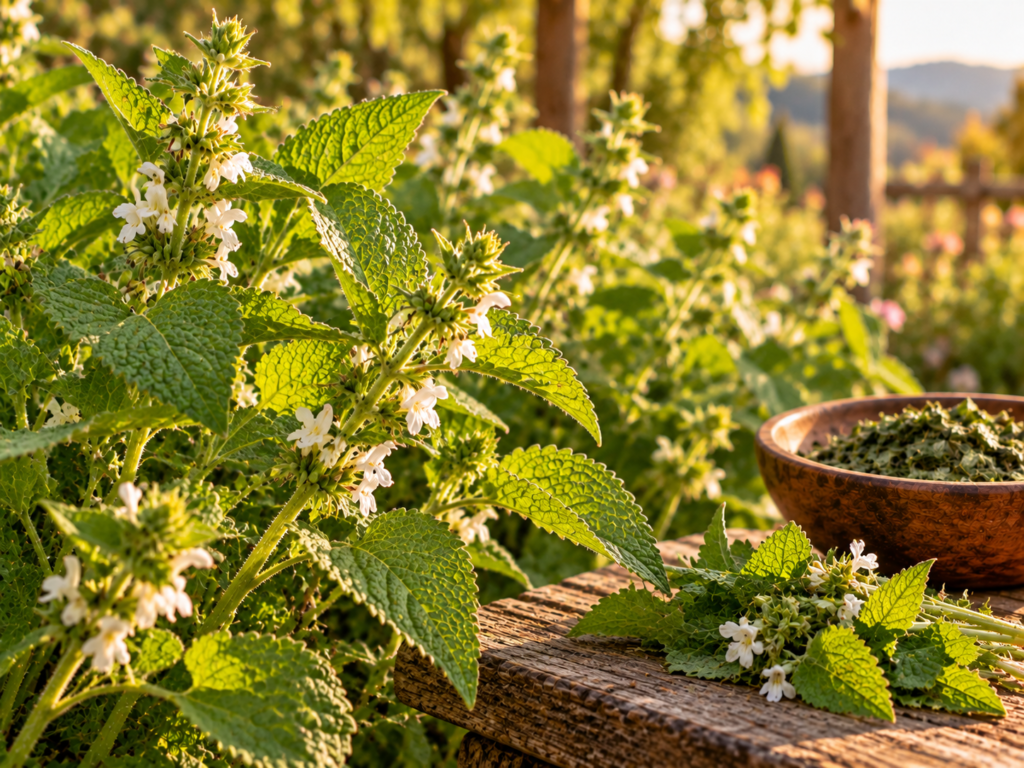
Lemon Balm
A gentle, aromatic herb traditionally associated with easing nervous tension and supporting calm.

Chamomile
A familiar herb used in calming teas and evening routines, with both nervine and digestive traditions.

Passion Flower
Traditionally associated with restlessness, nervous tension, and settling into sleep.

American Skullcap
Traditionally used in herbal approaches to nervous tension and longer-term nervous-system support.
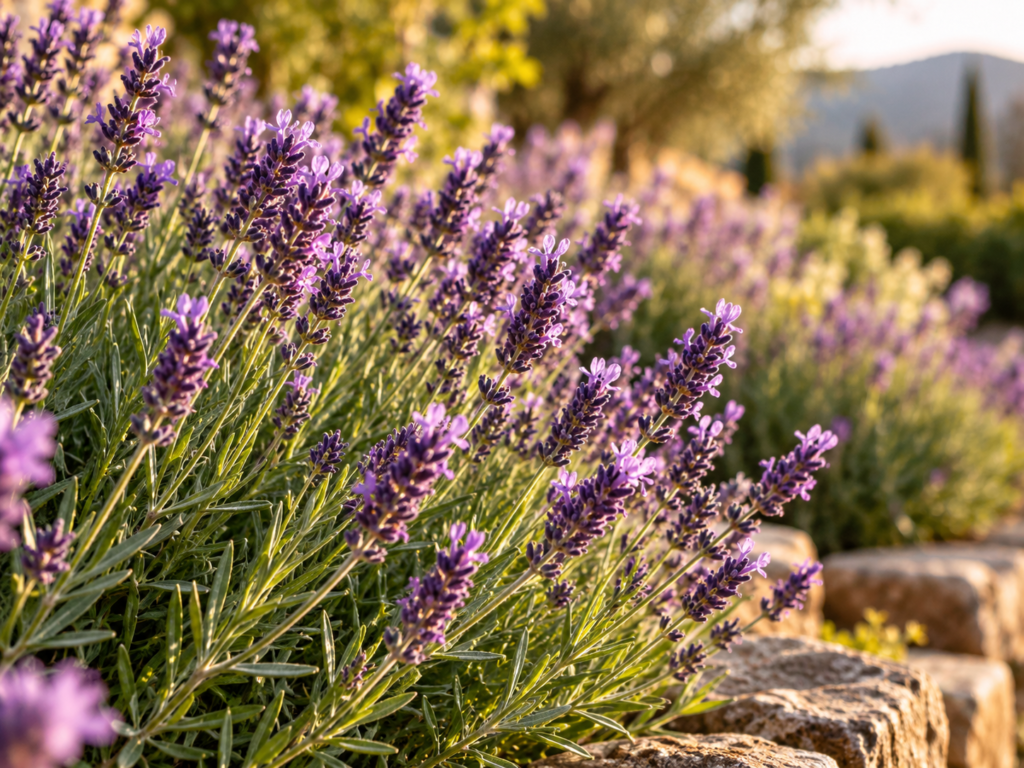
Lavender
An aromatic herb associated with relaxation, soothing rituals, and gentle evening preparations.
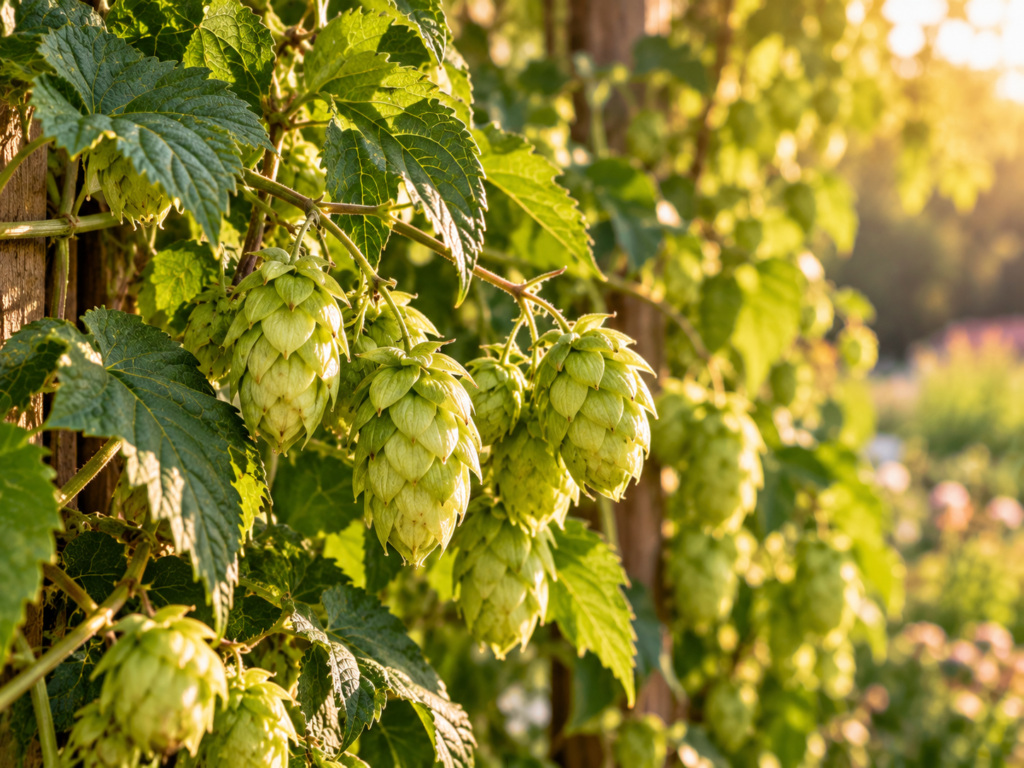
Hops
A bitter, traditionally calming herb particularly associated with evening and sleep-focused preparations.
EXPLORE BY NEED
Where Nervines Fit Into Everyday Life
Nervines appear in several herbal traditions, particularly those concerned with relaxation, emotional tension, and rest. Explore these related topics to see how individual herbs may fit into different routines.
01 · CALM + BALANCE
Stress + Anxiety
Explore herbs and everyday practices traditionally associated with easing nervous tension, encouraging calm, and supporting emotional well-being.
02 · EVENING + REST
Sleep + Rest
Discover herbs traditionally associated with winding down, settling restlessness, and creating a more restful evening routine.
PREPARING NERVINE HERBS
Common Herbal Preparations
The way a nervine herb is prepared depends on the plant, the tradition, and the intended use. These are three familiar approaches, each offering a different way to work with individual herbs.
01
Teas & Infusions
Often used with leaves and flowers such as lemon balm, chamomile, and passionflower. Warm infusions are a familiar part of calming and evening herbal routines.
02
Tinctures & Liquid Extracts
Concentrated liquid preparations used for a range of nervine herbs. Extraction methods and serving amounts vary by plant and formulation.
03
Aromatic Preparations
Fragrant herbs such as lavender and lemon balm may be incorporated into aromatic sachets, baths, or other relaxing rituals. These uses are distinct from drinking an infusion or taking an extract.
RELATED HERBAL ACTIONS
How Nervines Compare to Other Herbal Actions
Herbal actions often overlap. A plant may be described as a nervine while also belonging to another traditional category. Understanding these distinctions helps explain why herbs with similar reputations are not necessarily used in the same way.
01 · CALMING EFFECTS
Nervines vs. Sedatives
Nervine describes a broad traditional relationship with the nervous system, while sedative refers more specifically to calming or drowsiness-promoting effects. An herb may be classified as both, but the terms describe different qualities rather than interchangeable actions.
02 · LONG-TERM RESILIENCE
Nervines vs. Adaptogens
Nervines are traditionally associated with nervous-system well-being. Adaptogens are a distinct category of herbs discussed in relation to the body’s response to stress and resilience. Some plants are described using both terms.
03 · EASING SPASMS
Nervines vs. Antispasmodics
Nervines are traditionally associated with the nervous system, while antispasmodics are associated with easing involuntary muscle spasms or cramping. Some herbs have been used in traditions that include both actions.
CONTINUE EXPLORING
Explore Related Herbal Actions
Herbal actions are useful ways to understand traditional plant uses, but they aren’t rigid categories. Continue exploring these related actions to see where their meanings overlap and where they differ.
USING HERBS THOUGHTFULLY
Safety & Considerations
Nervine is a traditional herbal category, not a single standardized effect. The suitability of a nervine herb depends on the individual plant, the preparation, the amount used, and the person taking it.
Different Herbs, Different Considerations
Some nervines are traditionally used as gentle everyday teas, while others are more strongly associated with drowsiness or concentrated extracts. An herb’s traditional classification alone does not establish its appropriate use or serving amount.
For example, chamomile may be unsuitable for someone with certain plant allergies, while hops and passionflower warrant additional consideration when combined with sedating medicines. Individual herb profiles provide more useful guidance than the nervine label alone.
BEFORE CHOOSING AN HERB
Look Beyond the Label
Check the individual herb’s identity, plant part, preparation, and relevant precautions. Pregnancy, medications, allergies, and existing health conditions may change which preparations are appropriate.
Start with the individual herb profile, not the action category alone.
FROM THE ROOTED LIBRARY
Continue Learning
Interested in exploring nervine herbs beyond their traditional classifications? Our practical herbal guides bring together plant knowledge, preparations, and everyday approaches to herbal living.
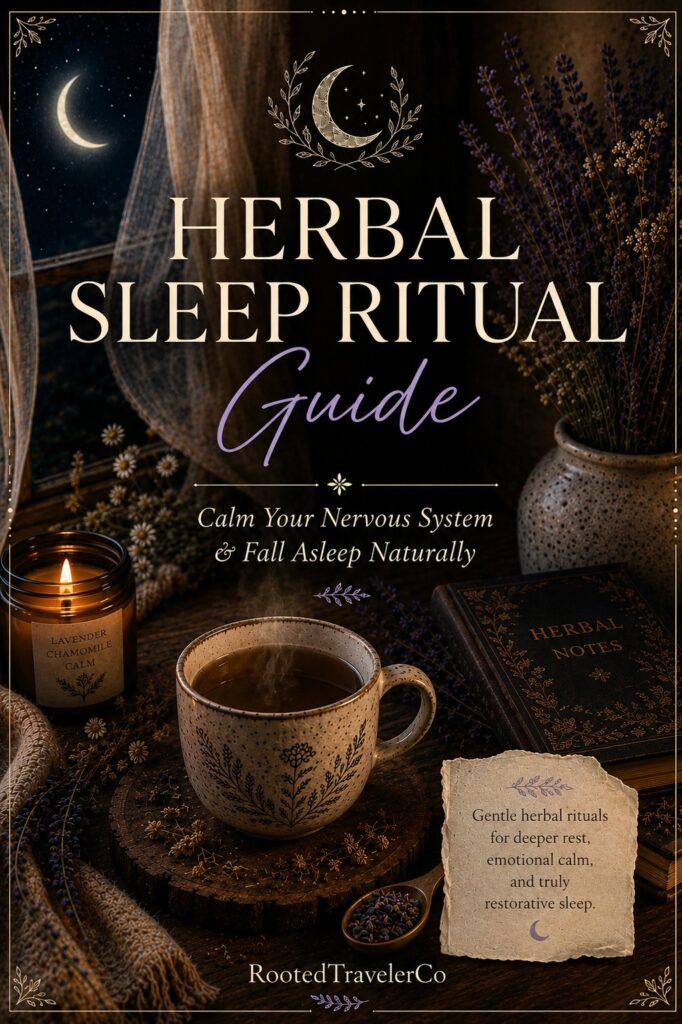
FEATURED HERBAL GUIDE
Herbal Sleep Ritual Guide
Explore calming herbs, traditional herbal preparations, and simple routines for winding down. This practical digital guide offers a deeper look at incorporating herbs into restful evenings and everyday nervous-system care.
FURTHER READING
Sources & References
Herbal action terminology comes from traditional herbal practice and may vary between sources. For more detailed information about individual plants, their preparations, and documented considerations, consult established herbal monographs and botanical references.
European Medicines Agency (EMA) — Herbal Monographs
NCCIH — Herbs at a Glance
Kew Science — Plants of the World Online
Traditional herbal classifications are descriptive rather than standardized medical categories. Individual herb profiles should be consulted for plant-specific information.