

HERBAL ACTIONS A–Z
Adaptogen
uh-DAP-tuh-jen
An adaptogen is an herb traditionally used to support the body’s ability to respond to physical, mental, and environmental stress. Adaptogenic plants are valued for helping maintain resilience, balance, and overall well-being during periods of increased demand.
Adaptogens are especially associated with long-term stress support, stamina, and recovery rather than immediate relaxation. Common examples include ashwagandha, rhodiola, eleuthero, and Asian ginseng.
UNDERSTANDING THE ACTION
In Plain English
Think of an adaptogen as an herb traditionally used to help the body cope with ongoing demands. Rather than creating an immediate calming or stimulating effect, adaptogens are associated with supporting resilience and maintaining balance during periods of stress.
Herbalists traditionally use adaptogens for longer-term support of energy, stamina, and recovery. Individual plants differ in their properties, with some considered more calming and others more invigorating.
THE KEY DISTINCTION
Adaptogen ≠ Nervine
Both actions are associated with stress support, but they describe different traditional approaches. Adaptogens are valued for supporting the body’s broader response to ongoing stress, while nervines primarily focus on calming, nourishing, or supporting the nervous system.
HOW ADAPTOGENS DIFFER
Different Ways Adaptogens Support Resilience
Adaptogens are not all alike. Different plants have traditionally been used for different aspects of stress, energy, and recovery.
01 · STRESS RESILIENCE
Everyday Balance
Traditionally used to support the body’s ability to cope with ongoing physical and emotional demands.
Examples: Ashwagandha · Holy Basil · Schisandra
02 · ENERGY & STAMINA
Sustained Vitality
Associated with supporting endurance and reducing feelings of fatigue during demanding periods.
Examples: Rhodiola · Eleuthero · Asian Ginseng
03 · RECOVERY & RESTORATION
Long-Term Support
Traditionally valued for maintaining vitality and supporting recovery after periods of prolonged exertion.
Examples: Asian Ginseng · Schisandra · Ashwagandha
MEET THE PLANTS
Herbs Associated With Adaptogenic Action
Adaptogenic herbs come from several herbal traditions, each with its own history of use. These six plants are among the best-known examples, valued for their different approaches to resilience, energy, and long-term vitality.
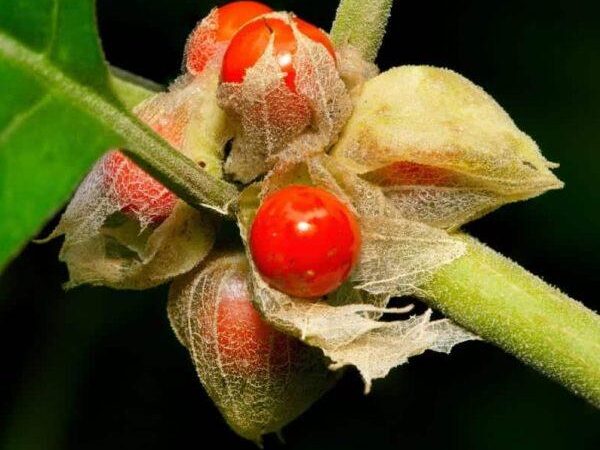
Ashwagandha
Traditionally used in Ayurvedic herbalism to support resilience, restful recovery, and well-being during periods of ongoing stress.
Explore Ashwagandha →
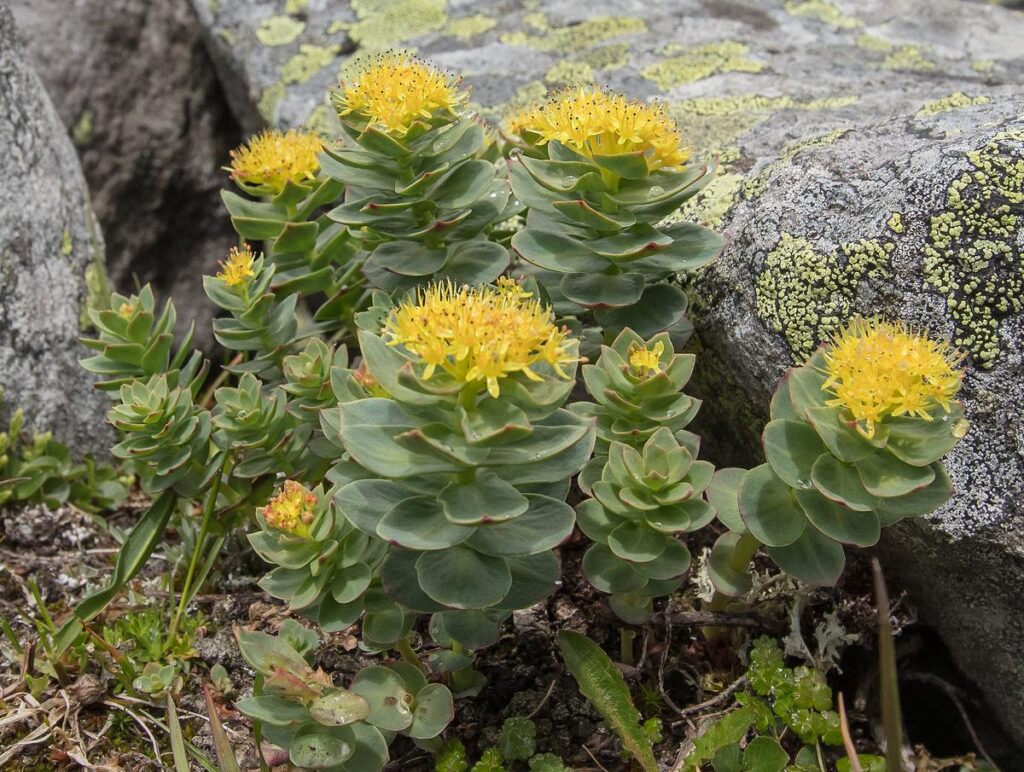
Rhodiola
Traditionally valued for supporting stamina, mental performance, and the ability to cope with demanding conditions.
Explore Rhodiola →
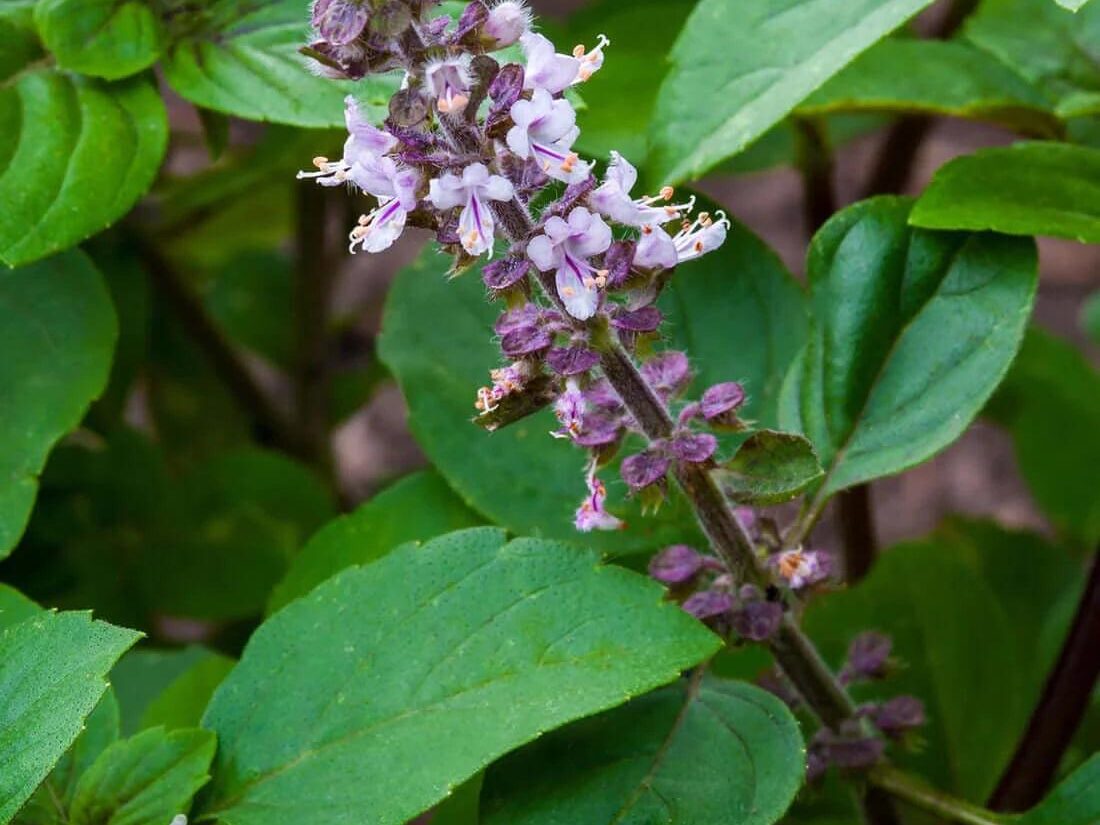
Holy Basil (Tulsi)
An aromatic herb traditionally used in Ayurveda to support stress resilience, emotional balance, and everyday vitality.
Explore Holy Basil (Tulsi) →
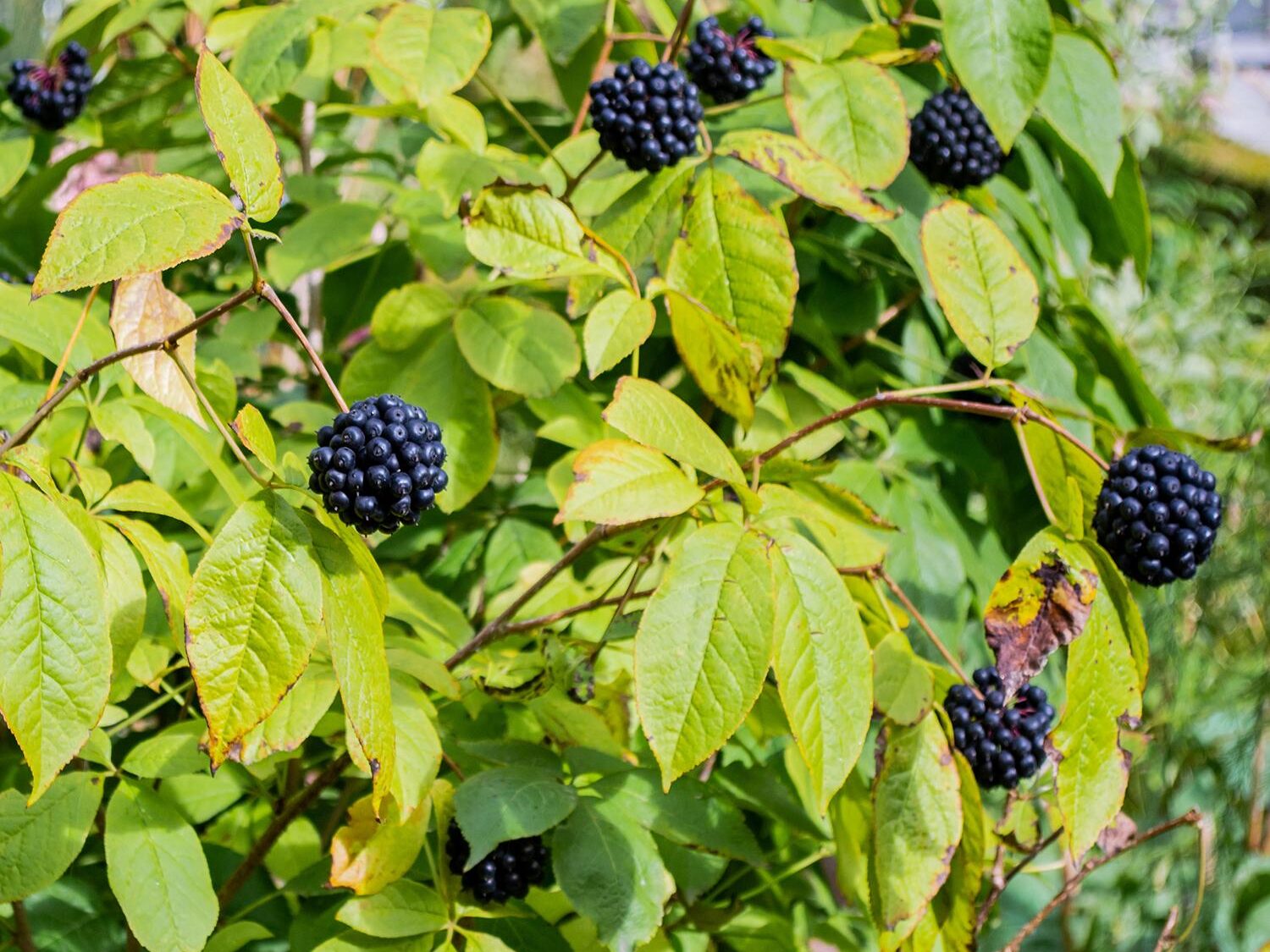
Eleuthero
Traditionally associated with supporting physical endurance, stamina, and resilience during periods of prolonged exertion.
Explore Eleuthero →
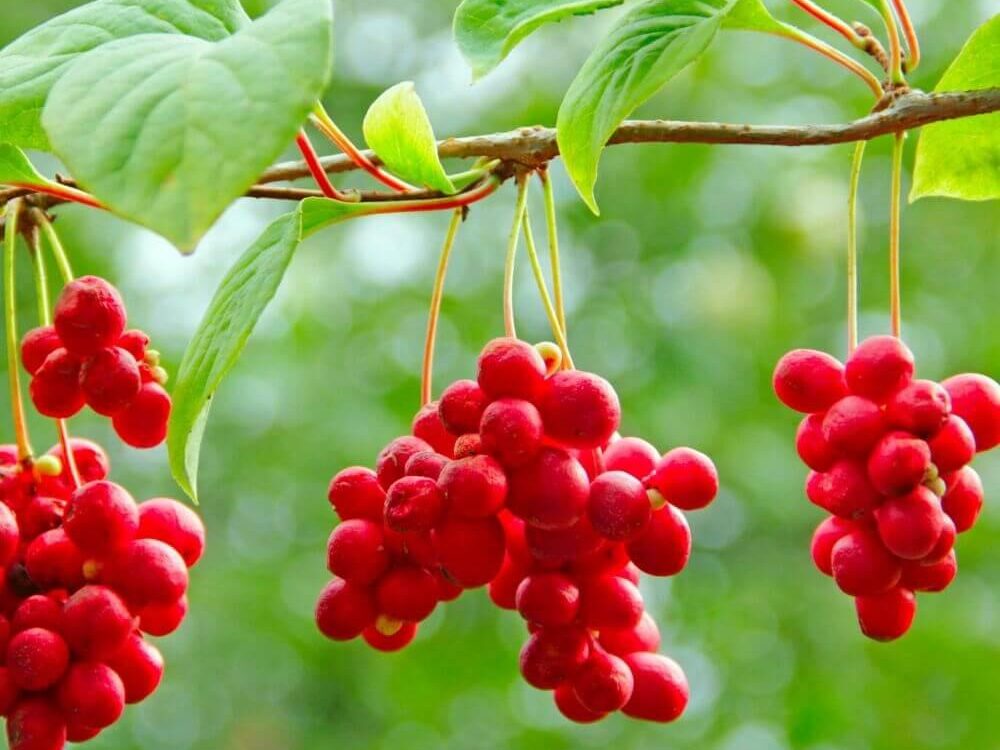
Schisandra
Its distinctive berries have a long history in East Asian herbal traditions for supporting vitality, endurance, and recovery.
Explore Schisandra →

Asian Ginseng
A renowned traditional tonic associated with supporting energy, stamina, and overall vitality during demanding periods.
Explore Asian Ginseng →
EXPLORE BY NEED
Where Adaptogens Fit Into Everyday Life
Adaptogenic herbs are often explored as part of a broader approach to managing everyday demands, supporting resilience, and maintaining vitality over time.
01 · STRESS + NERVOUS SYSTEM
Stress + Anxiety
Explore herbs traditionally used to support emotional balance, nervous system comfort, and resilience during stressful periods.
02 · ENERGY + WELL-BEING
Energy + Fatigue
Discover traditional herbal approaches to supporting stamina, everyday vitality, and recovery during demanding times.
Explore Energy + Fatigue →
PREPARING ADAPTOGENIC HERBS
Common Herbal Preparations
Adaptogenic herbs can be prepared in several ways, depending on the plant and its traditional use. Some are enjoyed as daily teas, while others are prepared as concentrated extracts or slow-simmered decoctions.
01
Teas & Infusions
Leaves and other delicate plant parts are steeped in hot water to create a gentle herbal drink. Holy basil is a familiar example, traditionally enjoyed as part of a daily wellness routine.
02
Decoctions
Roots and other tougher plant materials are gently simmered in water to extract their constituents. Ginseng and eleuthero are examples traditionally prepared this way.
03
Tinctures
Adaptogenic herbs may be extracted in alcohol or other suitable solvents to create concentrated liquid preparations. Rhodiola, ashwagandha, and schisandra are commonly available in extract form.
RELATED HERBAL ACTIONS
How Adaptogens Compare to Other Herbal Actions
Herbal actions often overlap. Some plants are associated with more than one traditional category, but each action describes a different quality or approach. Understanding these distinctions helps explain how adaptogens fit alongside other herbs used for stress, relaxation, and vitality.
01 · NERVOUS SYSTEM SUPPORT
Adaptogens vs. Nervines
Adaptogens are traditionally associated with supporting the body’s ability to respond to ongoing stress and maintain resilience. Nervines focus more directly on nervous-system well-being, including calming tension and encouraging relaxation. Some herbs are described using both actions.
02 · CALMING EFFECTS
Adaptogens vs. Sedatives
Adaptogens are generally associated with longer-term support for stress resilience and vitality. Sedatives, by contrast, are valued for their more immediate calming or drowsiness-promoting effects. These actions describe different qualities, although some herbs may have both.
03 · LONG-TERM VITALITY
Adaptogens vs. Tonics
Adaptogens are specifically associated with helping the body cope with ongoing demands. Tonics are a broader traditional category of herbs used to strengthen, nourish, or support overall well-being over time. Many adaptogens are also considered tonics, but not every tonic is an adaptogen.
CONTINUE EXPLORING
Explore Related Herbal Actions
Herbal actions often work alongside one another. Explore these related categories to better understand how different herbs are traditionally used to support stress resilience, relaxation, and overall vitality.
Tonic →
USING HERBS THOUGHTFULLY
Safety & Considerations
Adaptogens are a diverse group of herbs, and their suitability depends on the individual plant, preparation, and person using them. Although often associated with long-term wellness routines, they are not interchangeable, and some have important considerations.
Different Herbs, Different Considerations
Adaptogens vary considerably in their properties and traditional uses. Some, such as rhodiola and Asian ginseng, may be more stimulating, while others, such as ashwagandha, are often associated with calming or restorative support. The adaptogen label alone does not establish whether an herb is suitable for a particular person.
For example, ashwagandha warrants caution with thyroid conditions and has been linked to rare liver injuries. Asian ginseng may affect blood sugar and interact with certain medications. Individual herb profiles offer more useful guidance than the adaptogen classification alone.
BEFORE CHOOSING AN HERB
Look Beyond the Label
Check the individual herb’s identity, plant part, preparation, and relevant precautions. Pregnancy, medications, allergies, and existing health conditions may change which preparations are appropriate.
Start with the individual herb profile, not the action category alone.
FROM THE ROOTED LIBRARY
Continue Learning
Interested in exploring herbal approaches to stress resilience and everyday well-being? Our practical herbal guides bring together plant knowledge, traditional preparations, and simple ways to incorporate herbs into daily life.
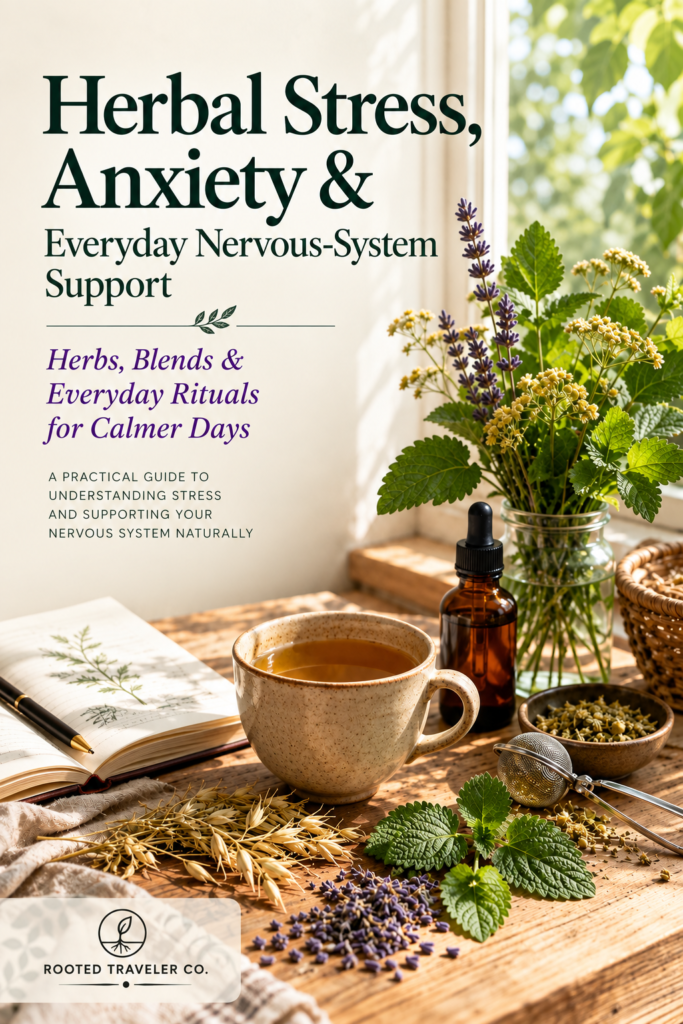
FEATURED HERBAL GUIDE
Herbal Stress & Anxiety Guide
Explore herbs traditionally used to support emotional balance, nervous-system well-being, and everyday stress management. This practical digital guide introduces herbal preparations and simple routines for bringing more calm and balance into daily life.
FURTHER READING
Sources & References
Herbal action terminology comes from traditional herbal practice and may vary between sources. For more detailed information about individual plants, their preparations, and documented considerations, consult established herbal monographs and botanical references.
European Medicines Agency (EMA) — Herbal Monographs
NCCIH — Herbs at a Glance
Kew Science — Plants of the World Online
Traditional herbal classifications are descriptive rather than standardized medical categories. Individual herb profiles should be consulted for plant-specific information.