

HERBAL ACTIONS A–Z
Astringent
uh-STRIN-jent
An astringent is an herb traditionally used to tighten and tone tissues. Many astringent plants contain tannins, compounds that interact with proteins and create a characteristic drying or puckering sensation.
Astringent herbs are valued in traditional herbal practice for their tissue-toning qualities, particularly in preparations for the skin, mouth, and digestive tract. Common examples include witch hazel, raspberry leaf, and oak bark.
UNDERSTANDING THE ACTION
In Plain English
Think of an astringent as an herb that helps tissues feel firmer and tighter. Many astringent plants contain tannins, the same compounds responsible for the dry, puckering sensation you might notice when drinking strong black tea.
Herbalists traditionally use astringents to tone tissues, particularly in preparations for the skin, mouth, and digestive system. Their characteristic tightening effect distinguishes them from herbs that primarily soothe or moisturize.
THE KEY DISTINCTION
Astringent ≠ Demulcent
Both actions are associated with tissue care, but they offer different qualities. Astringents tighten and tone tissues through their tannin content, while demulcents provide a slippery, soothing coating to irritated mucous membranes.
HOW ASTRINGENTS DIFFER
Types of Astringents
Astringent herbs vary in their strength, plant parts, and traditional applications. Some are especially valued for skin and tissue care, while others are commonly used for digestive comfort or supporting the mouth and gums.
01 · SKIN + EXTERNAL CARE
Topical Astringents
Herbs traditionally used to tone and tighten skin tissues. Often prepared as washes, compresses, or topical extracts for external care.
Examples: Witch Hazel · Oak Bark · Yarrow
02 · DIGESTIVE COMFORT
Digestive Astringents
Herbs traditionally used for their tightening effects on digestive tissues. Their tannins contribute to the characteristic astringent action.
Examples: Blackberry Leaf · Agrimony · Raspberry Leaf
03 · MOUTH + GUM CARE
Oral Astringents
Herbs traditionally incorporated into mouth rinses and gargles to tone tissues of the mouth and throat.
Examples: Sage · Oak Bark · Agrimony
MEET THE PLANTS
Herbs Associated With Astringent Action
These plants are traditionally valued for their tissue-toning, tannin-rich qualities. Each offers its own characteristics, from supporting skin and oral care to providing gentle digestive astringency.
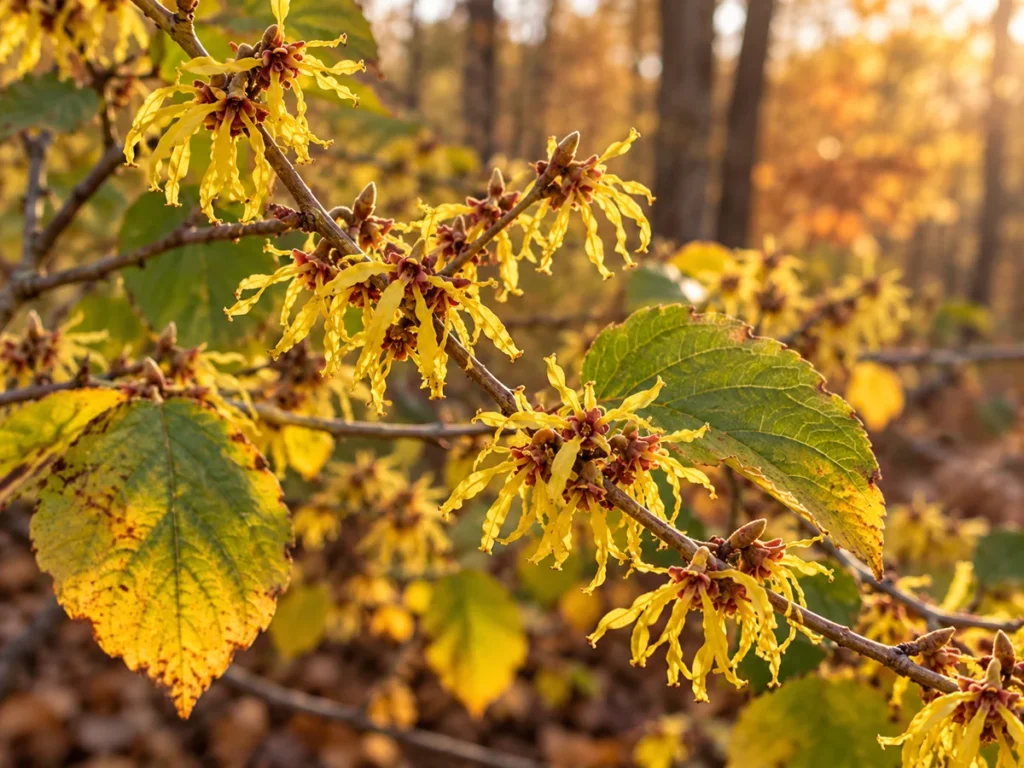
Witch Hazel
Its leaves and bark are traditionally used in topical preparations valued for their astringent, skin-toning qualities.
Explore Witch Hazel →

Yarrow
Traditionally valued for its astringent qualities in herbal preparations for skin and tissue care.
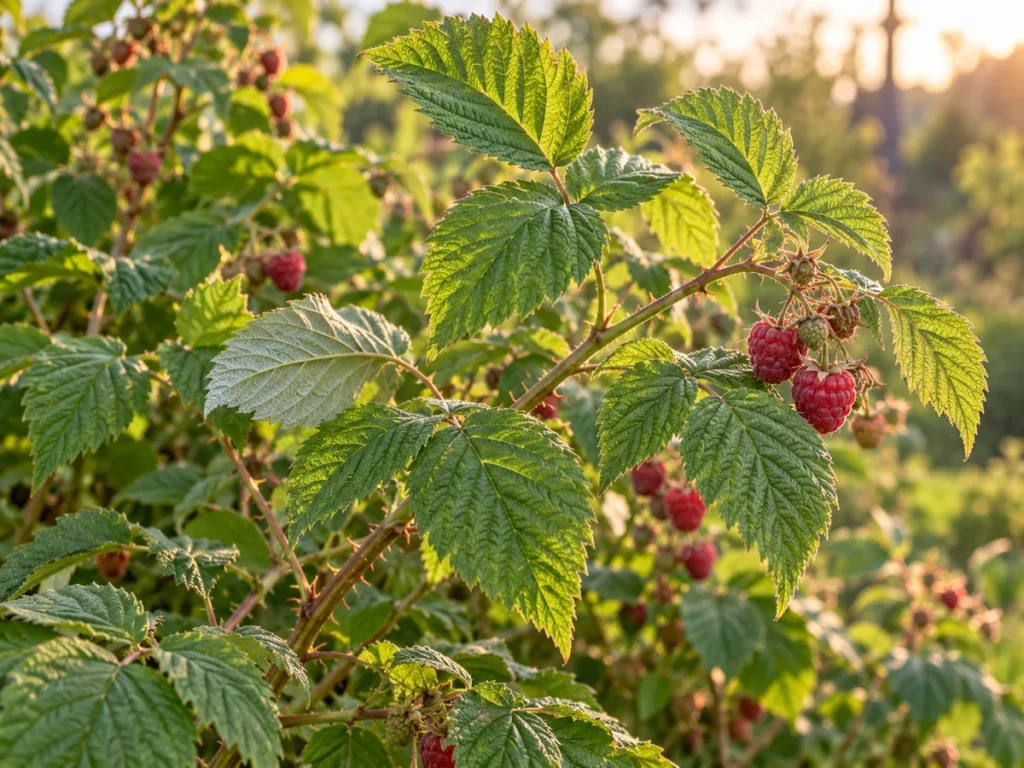
Raspberry Leaf
Its tannin-containing leaves are traditionally prepared as herbal infusions for gentle tissue-toning support.
Explore Raspberry Leaf →
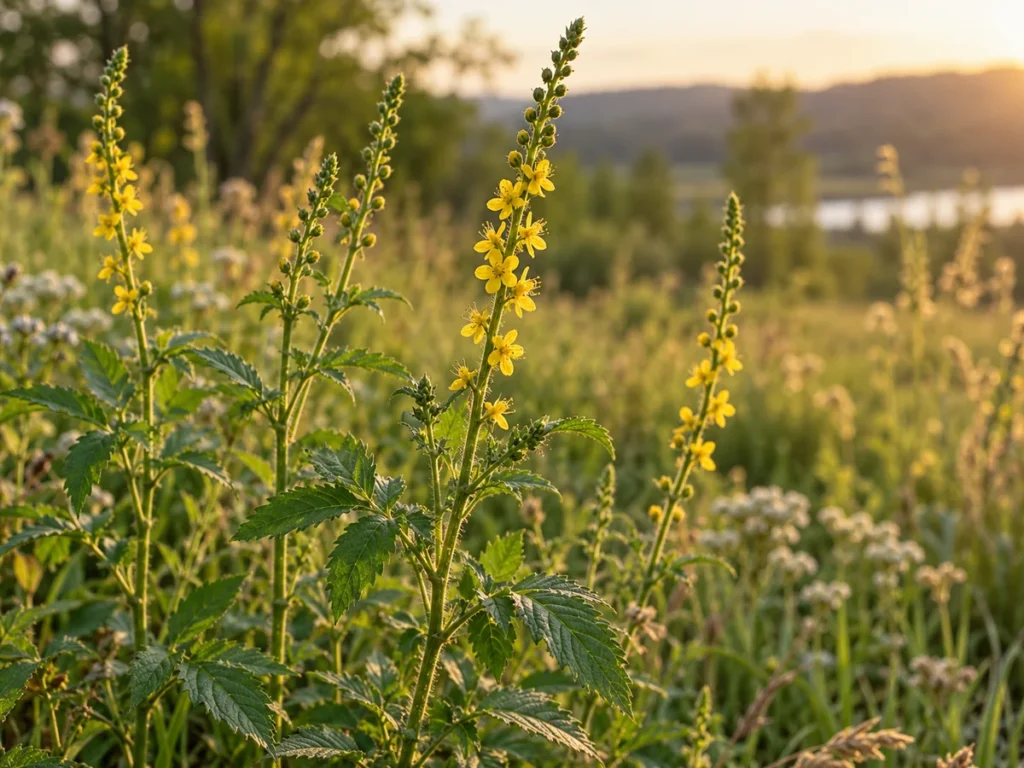
Agrimony
A tannin-rich herb traditionally used in preparations for digestive comfort and mouth and throat care.
Explore Agrimony →
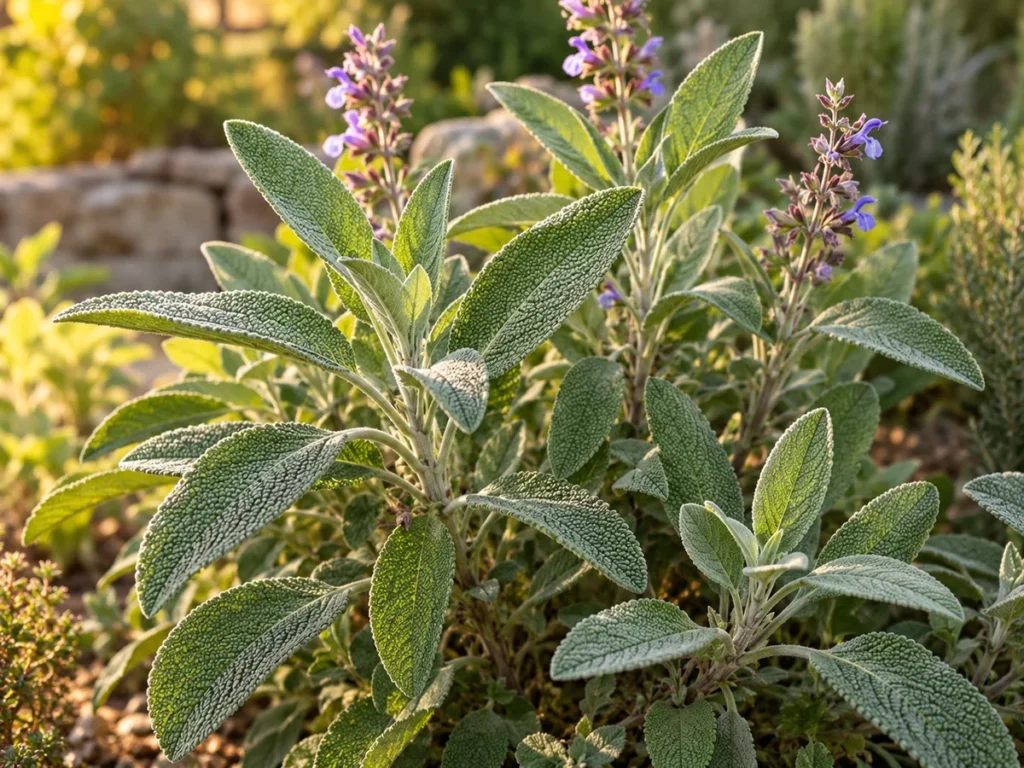
Sage
Its aromatic, tannin-containing leaves are traditionally used in gargles and rinses for mouth and throat care.
Explore Sage →
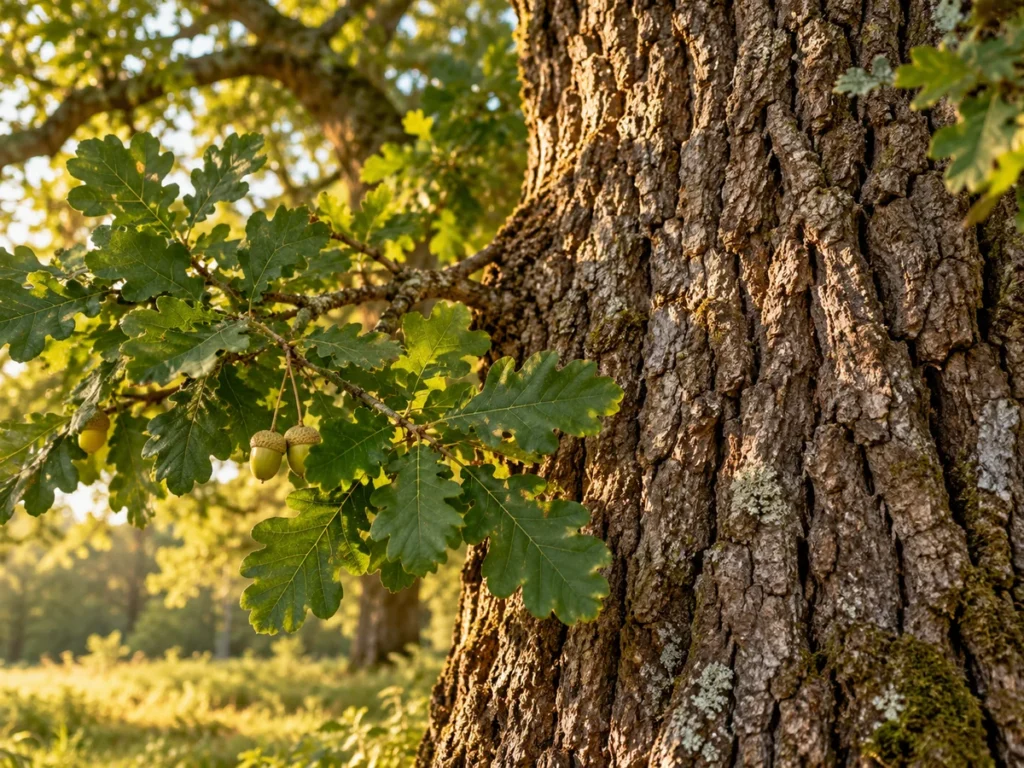
Oak Bark
Rich in tannins, oak bark is traditionally used in astringent preparations for external skin and tissue care.
Explore Oak Bark →
EXPLORE BY NEED
Where Astringent Herbs Fit Into Everyday Life
Astringent herbs are traditionally valued for their tightening and tissue-toning qualities. Explore how these plants fit into different areas of herbal wellness.
01 · SKIN + TISSUE CARE
Skin + Tissue Support
Explore herbs traditionally used to tone and care for skin tissues, including plants commonly incorporated into herbal washes, compresses, and topical preparations.
Explore Skin + Tissue Support →
02 · DIGESTIVE WELLNESS
Digestion + Gut Comfort
Discover herbs traditionally valued for their gentle astringent qualities and their role in supporting digestive tissue comfort.
PREPARING ASTRINGENT HERBS
Common Herbal Preparations
Astringent herbs can be prepared in several ways depending on the plant and its intended use. Water-based preparations are especially common, allowing tannins and other plant constituents to be extracted.
01
Teas & Infusions
Astringent leaves and flowering herbs, such as raspberry leaf and agrimony, are commonly prepared as herbal teas. These water-based preparations extract tannins and other soluble plant constituents.
02
Herbal Washes & Compresses
Astringent herbs are traditionally prepared as cooled infusions or decoctions for external use. These preparations are applied to the skin using a clean cloth or compress.
03
Gargles & Mouth Rinses
Herbs such as sage and agrimony are traditionally prepared as cooled herbal infusions for mouth and throat care. These preparations are used as rinses rather than swallowed.
RELATED HERBAL ACTIONS
How Astringents Compare to Other Herbal Actions
Several herbal actions are associated with tissue care, but they offer different qualities. Understanding these distinctions helps clarify how astringents differ from herbs that soothe, soften, or support tissue repair.
01 · SOOTHING TISSUES
Astringents vs. Demulcents
Astringents tighten and tone tissues through their tannin content, while demulcents provide a slippery, soothing coating to irritated mucous membranes.
02 · SOFTENING THE SKIN
Astringents vs. Emollients
Astringents create a tightening effect on tissues, while emollients soften and help maintain moisture in the skin.
03 · TISSUE REPAIR
Astringents vs. Vulneraries
Astringents are valued for their tissue-toning qualities, while vulneraries are traditionally associated with supporting tissue repair and wound healing.
CONTINUE EXPLORING
Explore Related Herbal Actions
Astringents are just one way herbs interact with body tissues. Explore these related herbal actions to understand how plants can soothe, soften, and support tissue care in different ways.
Demulcent →
Emollient →
Vulnerary →
USING HERBS THOUGHTFULLY
Safety & Considerations
Astringent herbs are traditionally valued for their tissue-toning qualities, but their strength and suitability vary between plants. The specific herb, preparation, and intended use all matter.
Different Herbs, Different Considerations
Tannin-rich herbs can feel drying or irritating when used in excess, particularly on sensitive tissues. Strong astringent preparations are not always appropriate for prolonged or frequent use.
Tannins may also interfere with the absorption of certain medications and minerals, including iron. Products intended for external use, such as commercial witch hazel extracts, should not be swallowed.
BEFORE CHOOSING AN HERB
Look Beyond the Label
The term astringent describes a traditional herbal action, not a guarantee that every plant in this category is suitable for every situation. Consider the specific herb, its tannin content, preparation method, and whether it is intended for internal or external use.
Start with the individual herb profile, not the action category alone.
FROM THE ROOTED LIBRARY
Continue Learning
Interested in exploring astringent herbs beyond their traditional classifications? Our practical herbal guides help you discover plant properties, preparation methods, and everyday approaches to natural skin and tissue care.
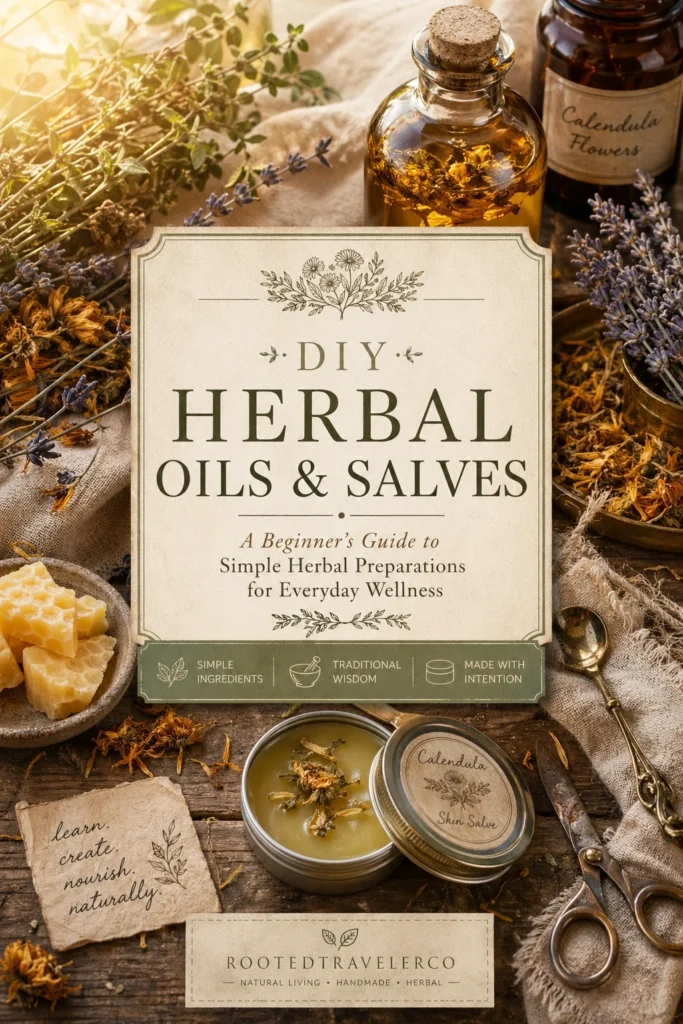
FEATURED HERBAL GUIDE
DIY Herbal Oils & Salves
Explore the art of creating herbal-infused oils, salves, and soothing botanical preparations. This practical guide introduces traditional methods for working with medicinal plants and incorporating herbal skin care into everyday life.
FURTHER READING
Sources & References
The astringent action is rooted in traditional herbal practice and the study of tannin-rich plants. These resources offer additional information on medicinal herbs, botanical identification, and the properties of plant constituents.
European Medicines Agency (EMA) — Herbal Monographs
NCCIH — Herbs at a Glance
Kew Science — Plants of the World Online
Traditional herbal classifications are descriptive rather than standardized medical categories. Individual herb profiles should be consulted for plant-specific information.