

Digestion + Gut Support
Digestion + Gut Support
Explore herbs and simple preparations traditionally used to support comfortable digestion, ease occasional gas and bloating, and bring gentle support to the digestive system.
Herbs to Explore
Different herbs can support digestion in different ways. Explore aromatic herbs, bitters, and gentle digestive plants traditionally used for gas, bloating, nausea, digestive tension, and overall digestive comfort.
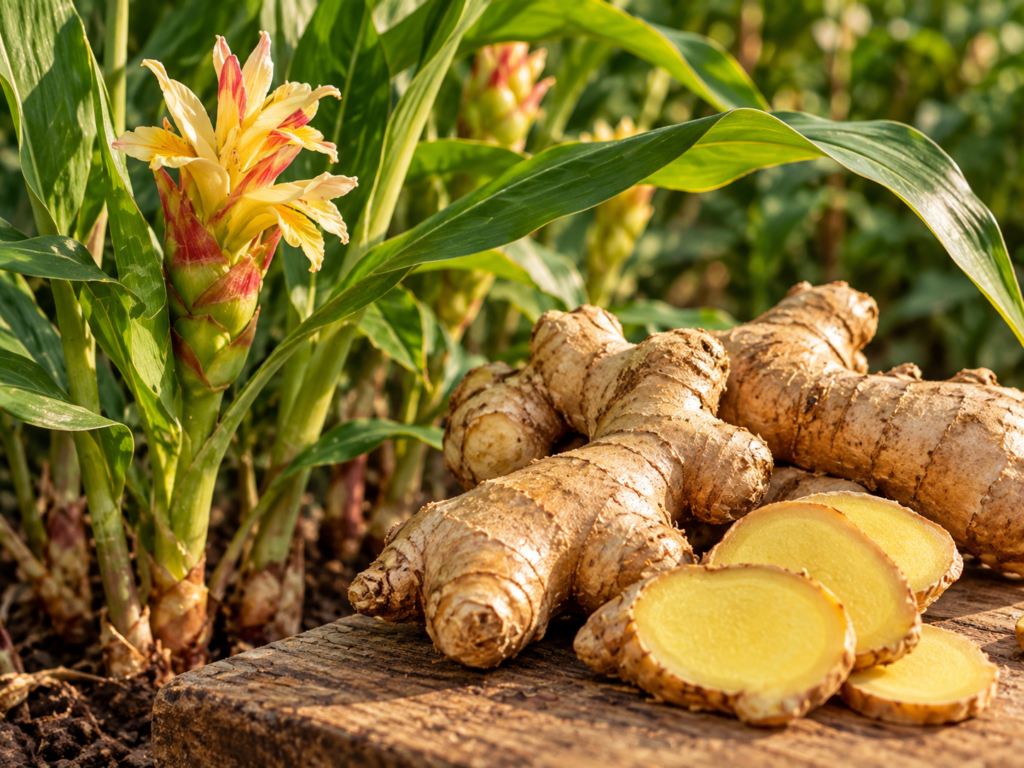
Ginger
Zingiber officinale
Carminative • Warming • Digestive
A warming aromatic herb traditionally used to support digestion and ease occasional nausea, gas, and digestive discomfort.

Peppermint
Mentha × piperita
Carminative • Antispasmodic • Cooling
An aromatic herb traditionally used to ease occasional gas, bloating, and digestive discomfort while helping relax digestive tension.

Chamomile
Matricaria chamomilla
Calming • Nervine • Digestive
A gentle aromatic herb traditionally used to ease occasional gas, digestive tension, and discomfort, especially when digestion feels unsettled alongside stress.

Dandelion
Taraxacum officinale
Bitter • Digestive • Hepatic
A classic bitter herb traditionally used to stimulate digestive function and support the natural processes involved in digestion.
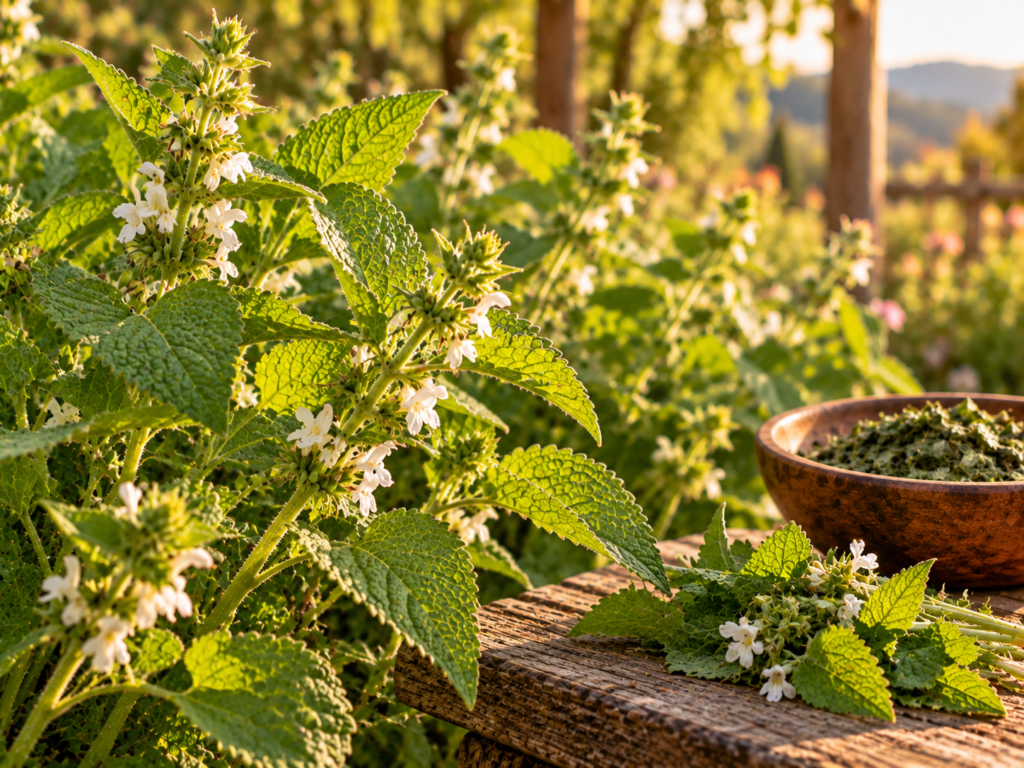
Lemon Balm
Melissa officinalis
Nervine • Calming • Carminative
An aromatic herb traditionally used to ease occasional gas and digestive tension, particularly when digestive discomfort appears alongside nervousness or stress.

Yarrow
Achillea millefolium
Bitter • Carminative • Astringent
An aromatic bitter herb with a long history of traditional use for supporting digestion and easing occasional digestive discomfort.
Ways to Support Digestion
How an herb is prepared can change the way it fits into a digestive routine. Warm infusions, traditional bitters, and simple aromatic preparations each offer practical ways to work with digestive herbs before or after meals.
WARM INFUSIONS
Sip + Settle
A warm herbal tea can be one of the simplest ways to work with digestive herbs. Ginger, peppermint, chamomile, and lemon balm can be prepared individually or combined into gentle blends for digestive comfort.
DIGESTIVE BITTERS
Before the Meal
Bitter herbs such as dandelion and yarrow have traditionally been taken shortly before meals to stimulate the senses and digestive processes that begin as the body prepares for food.
AROMATIC HERBS
Ease Digestive Tension
Aromatic herbs such as peppermint, chamomile, ginger, and lemon balm have long been used when digestion feels tense, gassy, or unsettled. Tea is a classic preparation, while tinctures can offer a more concentrated option.
Work With Your Digestive Rhythm
Digestive support can begin before the first bite and continue after the meal. Paying attention to timing, preparation, and how your body responds can help you choose a simple herbal approach that fits the moment.
01
Prepare for the Meal
Bitter herbs are traditionally used shortly before eating, while simply slowing down and allowing time for a meal can help create a more settled transition into digestion.
02
Support the Moment
When occasional gas, bloating, nausea, or digestive tension appears, aromatic herbs such as ginger, peppermint, chamomile, or lemon balm can offer gentle support.
03
Notice What Works for You
Digestion varies from person to person. Pay attention to which herbs, preparations, foods, and timing feel supportive, and keep your routine simple enough to recognize what actually makes a difference.

Keep Exploring
Continue exploring herbs and practical resources for supporting digestion, digestive comfort, and everyday gut care.

Herbal Support for Digestion, Gas + Bloating
Explore herbs traditionally used for gas, bloating, digestive tension, and everyday digestive comfort, with practical preparations for working with them at home.

DIY Digestive Bitters
Learn how traditional digestive bitters are used, explore bitter herbs, and discover practical ways to prepare your own bitters at home.

Explore Herbs A–Z
Browse the herbal library for traditional uses, preparations, growing notes, safety considerations, and practical ways to work with each plant.