

HERB PROFILE
Dandelion
Taraxacum officinale
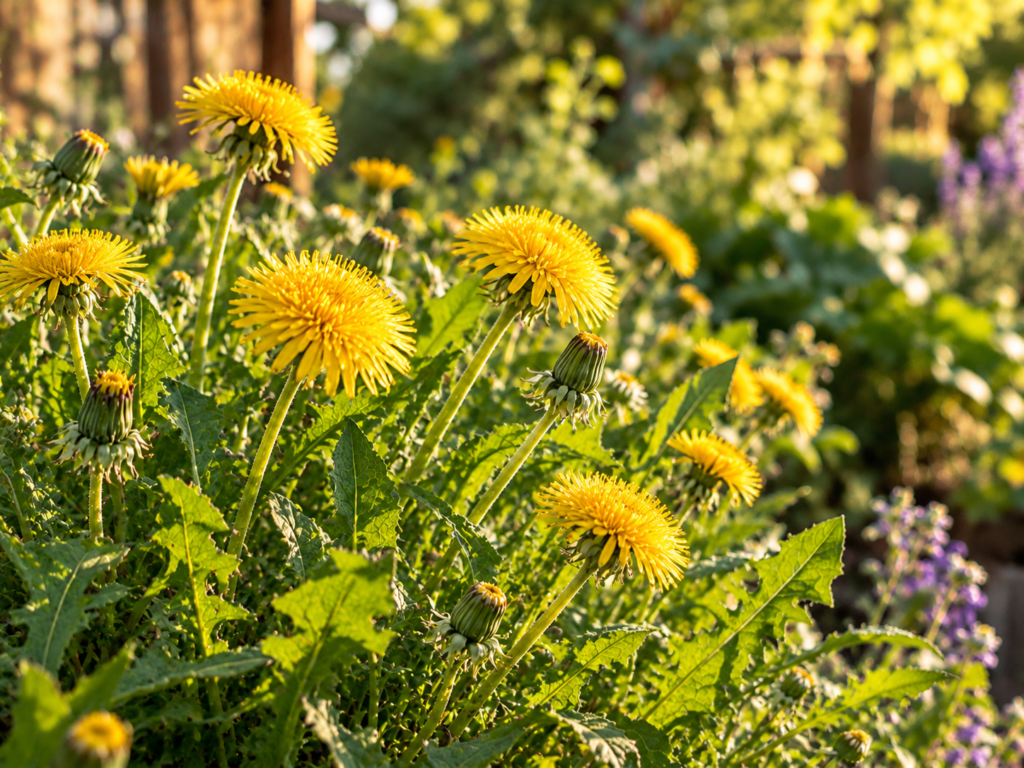
A familiar perennial with a long history as both food and herbal medicine, dandelion offers something useful from root to flower. Its leaves and roots are especially valued in herbal traditions for digestion, nourishment, and their use in traditional bitter preparations.
Bitter • Digestive • Nutritive
Family: Asteraceae · Parts used: Root, leaves + flowers
At A Glance
Key Actions
Bitter · Digestive · Nutritive
Best Known For
Digestive support · Appetite + digestion · Nutritive greens
Common Preparations
Tea · Decoction · Tincture · Food
Traditional Uses + Modern Context
Dandelion has a long history as both a food and an herbal medicine. The young leaves have traditionally been eaten as bitter spring greens, while the leaves and roots have been used in herbal traditions to support digestion and appetite. The root in particular has a long association with digestive and liver-focused preparations.
Modern research has explored dandelion for a wide range of potential effects, but much of that work remains laboratory or animal-based and strong human clinical evidence is limited. Its traditional use is therefore considerably better established than many modern health claims surrounding the plant. Dandelion is best presented as a traditional bitter, nutritive food herb, and digestive-support plant rather than as a proven treatment for liver, digestive, or other medical conditions.
Traditionally Used For
Digestive support + appetite
Bitter digestive preparations
Nutritive spring greens
Root teas + decoctions
Herbal Actions
Dandelion’s actions reflect its long history as both a bitter digestive herb and a nourishing food plant. Different parts of the plant offer somewhat different qualities, particularly the leaves and roots.
Bitter
The naturally bitter compounds in dandelion, particularly the root and leaves, are traditionally used before or around meals to stimulate appetite and support the digestive process.
Digestive
Dandelion root has a long tradition of use in digestive preparations, especially when digestion feels sluggish or when gentle bitter support is desired.
Nutritive
Dandelion leaves are edible, mineral-rich greens traditionally gathered as a seasonal food and valued as a nourishing addition to the diet.
Explore by Need
Looking for a practical way to use dandelion? Start with the kind of support you’re looking for, then choose the plant part and preparation that best fits.
Digestive Support
Dandelion root is traditionally used as a bitter digestive herb, particularly before or around meals when gentle support for appetite and digestion is desired.
Everyday Nourishment
Young dandelion leaves can be eaten as bitter greens and offer a simple way to bring this mineral-rich plant into everyday meals.
Seasonal Bitter Support
Dandelion leaves and roots fit naturally into traditional spring routines, where bitter foods and herbs have long been used to complement the seasonal diet and support digestion.
Preparations
Dandelion can be prepared in several ways, and the best method depends largely on which part of the plant you’re using. Leaves work well as food or in simple infusions, while the tougher root is commonly prepared by simmering or extracting it.
Decoction
Dandelion root can be gently simmered in water to make a strong, earthy decoction. This traditional preparation is commonly used when working with dried root for digestive support.
Tincture
Dandelion root or leaf can be extracted in alcohol to create a concentrated, shelf-stable preparation. Tinctures offer a convenient way to use dandelion in small amounts as part of a bitter herbal routine.
Infusion
Dandelion leaves can be steeped in hot water for a simple herbal infusion. Their naturally bitter flavor makes this an easy way to experience dandelion as both a nutritive and digestive herb.
Food
Young leaves can be added to salads or cooked like other bitter greens, while the flowers are also edible. Dandelion root can be roasted and brewed for a dark, earthy caffeine-free drink.
Growing Dandelion
Dandelion is a hardy perennial that grows readily from seed and needs very little attention once established. Give it a sunny spot, reasonably well-drained soil, and enough room for its deep taproot to develop.
SUN
Light
Full sun encourages strong growth and flowering, although dandelion tolerates partial shade. Plants growing in more shade may produce fewer flowers.
CARE
Soil + Water
Dandelion adapts to many soil types but grows especially well in fertile, well-drained soil. Water regularly while young plants establish; mature plants are generally quite tolerant of dry periods thanks to their deep taproots.
PLANTING
Sowing + Flowering
Sow seeds directly on or just beneath the soil surface in spring or early fall. Dandelion establishes a deep taproot and returns year after year, so choose its location with permanence in mind.
Harvesting and Drying
Dandelion can be harvested through much of the growing season, but timing depends on which part of the plant you want to use. Leaves, flowers, and roots are gathered separately and each benefits from slightly different handling.
When to Harvest
Gather young leaves in spring when they are tender and less intensely bitter. Pick flowers when they are fully open and dry. Roots are commonly dug in spring or fall, when the plant’s energy is concentrated below ground.
What to Gather
Leaves, flowers, and roots can all be used. Choose healthy plants growing away from roadsides, chemically treated lawns, and other potentially contaminated areas, and harvest only from places where you have permission to gather.
Drying + Storage
Spread leaves and flowers in thin layers with good airflow and dry them away from direct sunlight. Scrub roots thoroughly, slice them into smaller pieces, and dry completely before storing. Keep all dried material in airtight containers away from heat, moisture, and light.
Safety + Considerations
Dandelion is widely eaten as a food and used as an herbal preparation, but individual sensitivities, medications, and certain health conditions can affect whether it is appropriate for you.
Asteraceae Allergies
Dandelion belongs to the Asteraceae family. People who are sensitive or allergic to plants in this family—such as ragweed, chrysanthemums, or daisies—should use caution, as allergic reactions can occur.
Medications + Health Conditions
Dandelion may not be appropriate with certain medications or health conditions, particularly those involving the gallbladder or bile ducts. If you take prescription medications or have an existing digestive or biliary condition, check with a qualified healthcare professional before using concentrated dandelion preparations.
Pregnancy + Breastfeeding
Food amounts of dandelion are different from concentrated herbal preparations. Because safety information for medicinal amounts during pregnancy and breastfeeding is limited, consult a qualified healthcare professional before using dandelion regularly in concentrated forms.
This page is educational and is not a substitute for individualized medical advice.
Keep Exploring
Dandelion connects naturally with other familiar plants traditionally used for digestion, nourishment, and everyday herbal support. Continue exploring related herbs in the Rooted Library.
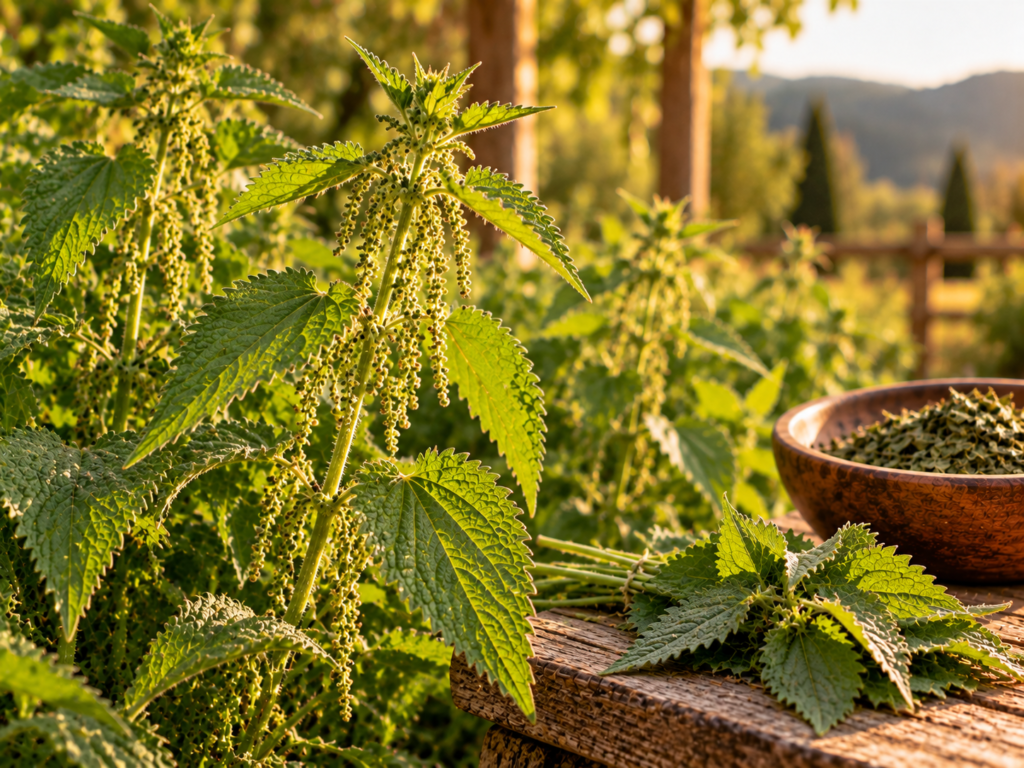
Nettle
A deeply nutritive leafy herb traditionally valued as a mineral-rich food and everyday spring tonic.

Peppermint
A cooling aromatic herb traditionally used for digestive discomfort, gas, bloating, and occasional nausea.
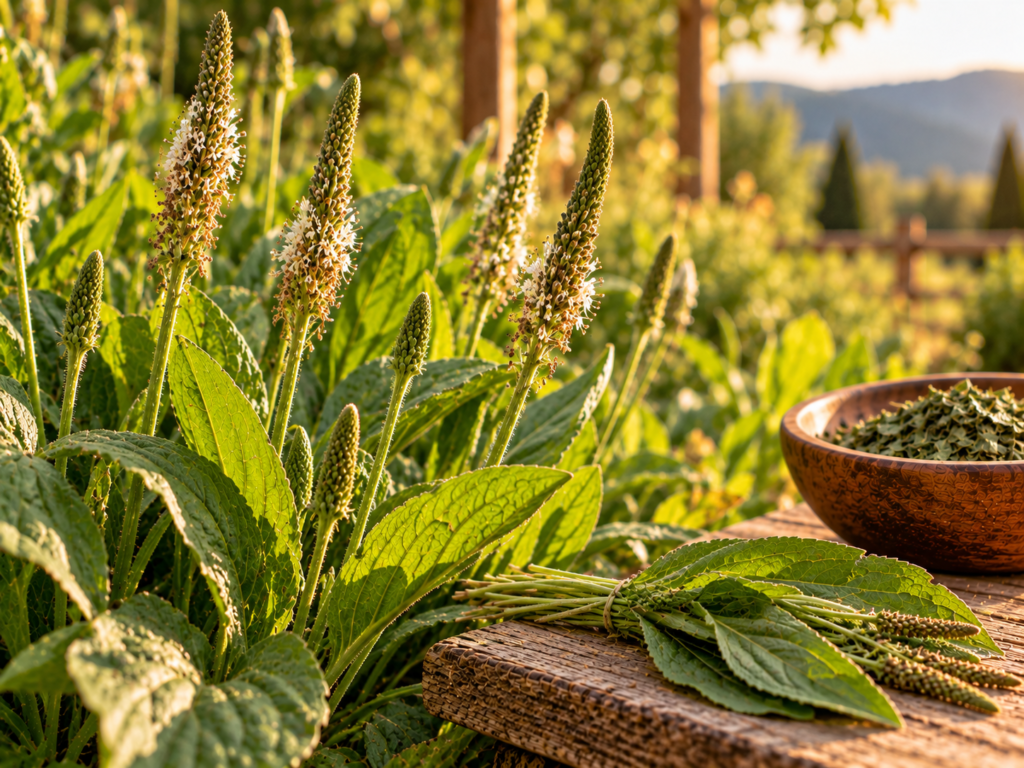
Plantain
A familiar backyard herb traditionally valued for soothing topical preparations and gentle everyday herbal care.
Related Rooted Traveler Co. Guides
Want to go deeper? These Rooted Traveler Co. guides build on dandelion’s place in digestive herbalism, seasonal foraging, and practical ways to work with useful plants growing close to home.
Edible Dandelion Guide
Learn to recognize, harvest, and use dandelion from root to flower, with practical ideas for bringing this familiar wild plant into food, tea, and everyday herbal use.
Herbal Spring Reset Guide
Explore spring herbs, simple seasonal teas, and traditional practices for welcoming the season with a fresh, practical herbal routine.
Digestion: Gas & Bloating Herbal Support
Explore herbs and practical preparations traditionally used for gas, bloating, digestive tension, and everyday digestive comfort.
Sources + Further Reading
Want to dig deeper? These sources offer additional information on dandelion’s traditional uses, modern research, safety, and herbal-medicine context.
European Medicines Agency (EMA)
Taraxaci officinalis radix – Dandelion Root
European Medicines Agency, Committee on Herbal Medicinal Products (HMPC).
A particularly useful source for dandelion root, including its recognized traditional use for gastrointestinal complaints and temporary loss of appetite, along with contraindications and safety considerations.
Read the EMA monograph →
National Center for Complementary and Integrative Health (NCCIH)
Dandelion: Usefulness and Safety
National Institutes of Health.
A useful evidence check: NCCIH notes that very little human research exists and that there is currently no compelling scientific evidence supporting dandelion for any health condition. It also covers food use and safety considerations.
Read the NCCIH overview →
González-Castejón M, Visioli F, Rodriguez-Casado A.
Diverse Biological Activities of Dandelion.
Nutrition Reviews. 2012;70(9):534–547.
A scientific review of dandelion’s constituents and reported biological activity that also helps put the gap between traditional use, experimental research, and clinical evidence into context.
Read the scientific review →