
HERB PROFILE
Nettle
Urtica dioica
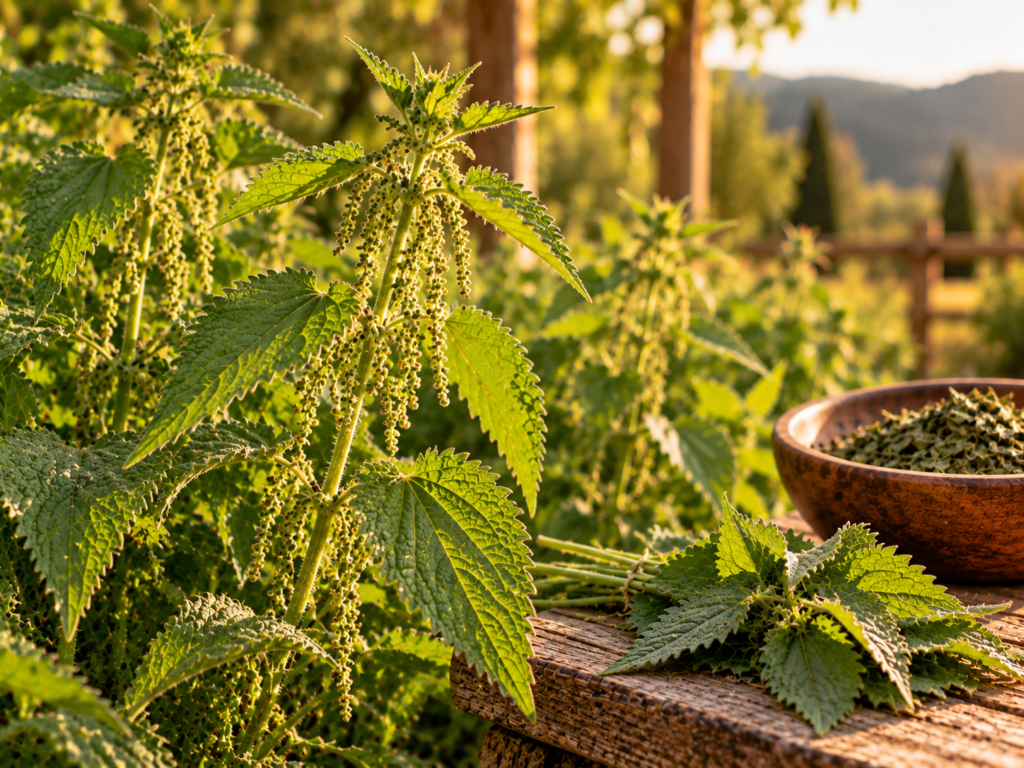
Nettle is a hardy perennial with a long history as both a nourishing food plant and a traditional herbal remedy. Its mineral-rich leaves are especially valued as a nutritive tonic, while nettle has also been traditionally used for seasonal wellness and everyday support.
Nutritive • Tonic • Astringent
Family: Urticaceae · Parts used: Leaves + aerial parts
At A Glance
Key Actions
Nutritive · Tonic · Astringent
Best Known For
Mineral-rich nourishment · Everyday tonic support · Seasonal wellness
Common Preparations
Infusion · Tea · Food · Tincture
Traditional Uses + Modern Context
Nettle has a long history as both a food and an herbal medicine across Europe and other temperate regions. Young leaves have traditionally been cooked and eaten as nourishing greens, while dried leaves have been prepared as teas and infusions for their nutritive qualities and as a general spring tonic.
Modern research has examined nettle for a variety of potential uses, but evidence varies considerably depending on the plant part and preparation. Nettle leaf is best understood as a nutrient-rich food and traditional tonic herb rather than as a proven treatment for any medical condition. Research involving nettle root—particularly for urinary symptoms associated with benign prostate enlargement—should not automatically be applied to nettle leaf preparations.
Traditionally Used For
Mineral-rich nourishment + tonic support
Nutritive teas + infusions
Seasonal spring preparations
Cooked greens + traditional food use
Herbal Actions
Nettle’s traditional actions reflect its long history as both a nourishing food plant and a restorative herbal tonic, particularly when the leaves are used in teas, infusions, and food.
Nutritive
Nettle leaves contain a range of vitamins, minerals, and other plant constituents and have traditionally been used as a nourishing herb when additional dietary and tonic support is desired.
Tonic
Nettle is traditionally considered a tonic herb and is often used regularly over time rather than only for short-term concerns. It is especially associated with springtime herbal routines and everyday nourishment.
Astringent
Nettle leaf has mild astringent qualities, traditionally valued for helping tone tissues and complementing the herb’s broader nutritive and tonic uses.
Explore by Need
Looking for a practical way to use nettle? Start with the kind of everyday support you’re looking for, then choose a preparation that fits naturally into your routine.
Everyday Nourishment
Nettle leaf is traditionally valued as a mineral-rich nutritive herb and can be incorporated into teas, long infusions, and cooked foods as part of everyday nourishment.
Restorative Tonic Support
Nettle is often used regularly as a gentle tonic, particularly during periods when additional nourishment and steady, everyday herbal support are desired.
Seasonal Spring Support
Nettle has a long association with traditional spring routines, when the young leaves are gathered as nourishing greens and used in teas, foods, and seasonal herbal preparations.
Preparations
Nettle is easy to incorporate into everyday routines, from simple teas and long infusions to cooked foods and concentrated tinctures. The leaves should be cooked, dried, or otherwise properly prepared before use so their fresh stinging hairs are no longer active.
Infusion
Dried nettle leaves can be steeped for several hours to make a strong herbal infusion. This traditional preparation is especially popular when nettle is being used as a nutritive tonic.
Tea
For a lighter preparation, dried nettle leaves can be steeped briefly in hot water. Nettle’s mild, green flavor also blends easily with other herbs.
Food
Young nettle leaves can be cooked and used much like other leafy greens in soups, sauces, and other dishes. Cooking neutralizes the stinging hairs, making the leaves safe to handle and eat.
Tincture
Nettle leaf can be extracted in alcohol to create a concentrated, shelf-stable preparation. Tinctures are convenient, although they serve a different purpose from the larger quantities of leaf used in nutritive foods and infusions.
Growing Nettle
Nettle is a vigorous perennial that thrives in rich, moist soil and can spread readily once established. It is easy to grow, but its creeping rhizomes and abundant seed production mean choosing its location carefully is important.
SUN
Light
Nettle grows well in full sun to partial shade. It often thrives along woodland edges and in other places where it receives good light without intense, dry conditions.
CARE
Soil + Water
Plant nettle in fertile, nitrogen-rich soil that retains moisture while still draining reasonably well. Keep the soil consistently moist, particularly during establishment and periods of hot, dry weather.
PLANTING
Planting + Growth
Nettle can be grown from seed, divisions, or pieces of rhizome. Once established, it can spread aggressively through underground rhizomes and self-seeding, so a contained bed or large container can help keep the patch manageable.
Harvesting and Drying
Nettle leaves are best harvested while they are young and tender, before the plants mature and produce seed. Wear gloves and protective clothing when gathering fresh nettle to avoid contact with the stinging hairs.
When to Harvest
Gather young leaves and tender upper growth in spring and early summer, ideally before the plant flowers. Choose a dry day after morning moisture has evaporated.
What to Gather
Wearing gloves, cut the upper leafy portions of healthy plants. Harvest from clean areas away from roadsides, chemically treated ground, and other potential sources of contamination.
Drying + Storage
Spread the leaves in a thin layer or hang small bundles in a dry place with good airflow, away from direct sunlight. Once completely crisp and dry, store nettle in an airtight container away from heat, moisture, and light.
Safety + Considerations
Nettle is widely used as both food and herbal medicine, but fresh plants require careful handling, and concentrated or regular medicinal use deserves additional consideration alongside certain medications.
Fresh Nettle + Stinging Hairs
Fresh nettle leaves and stems are covered with stinging hairs that can cause immediate burning, itching, and skin irritation. Wear gloves when harvesting and handle the plant carefully. Cooking or thorough drying neutralizes the sting.
Pregnancy + Breastfeeding
Safety information for medicinal amounts of nettle leaf during pregnancy and breastfeeding is limited. Food use is different from concentrated herbal preparations, and regular medicinal use is best discussed with a qualified healthcare professional during these periods.
Medications + Health Conditions
Nettle preparations may influence blood sugar, blood pressure, and fluid balance. People taking medications for diabetes or high blood pressure, using diuretics, or managing kidney or cardiovascular conditions should seek professional guidance before regular medicinal use.
This page is educational and is not a substitute for individualized medical advice.
Keep Exploring
Nettle connects naturally with other nourishing and tonic herbs traditionally valued for seasonal wellness, everyday nourishment, and gentle digestive support.
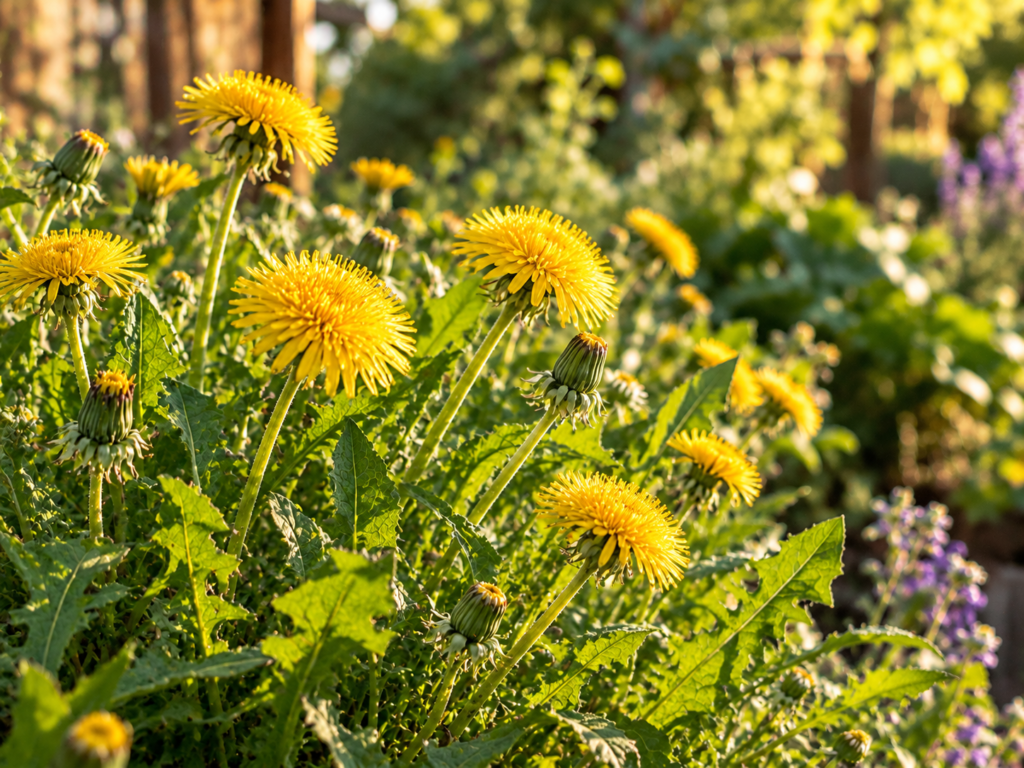
Dandelion
A familiar bitter and nutritive herb traditionally valued as a spring food and for supporting appetite and digestion.

Plantain
A familiar garden and lawn herb traditionally used in soothing topical preparations.
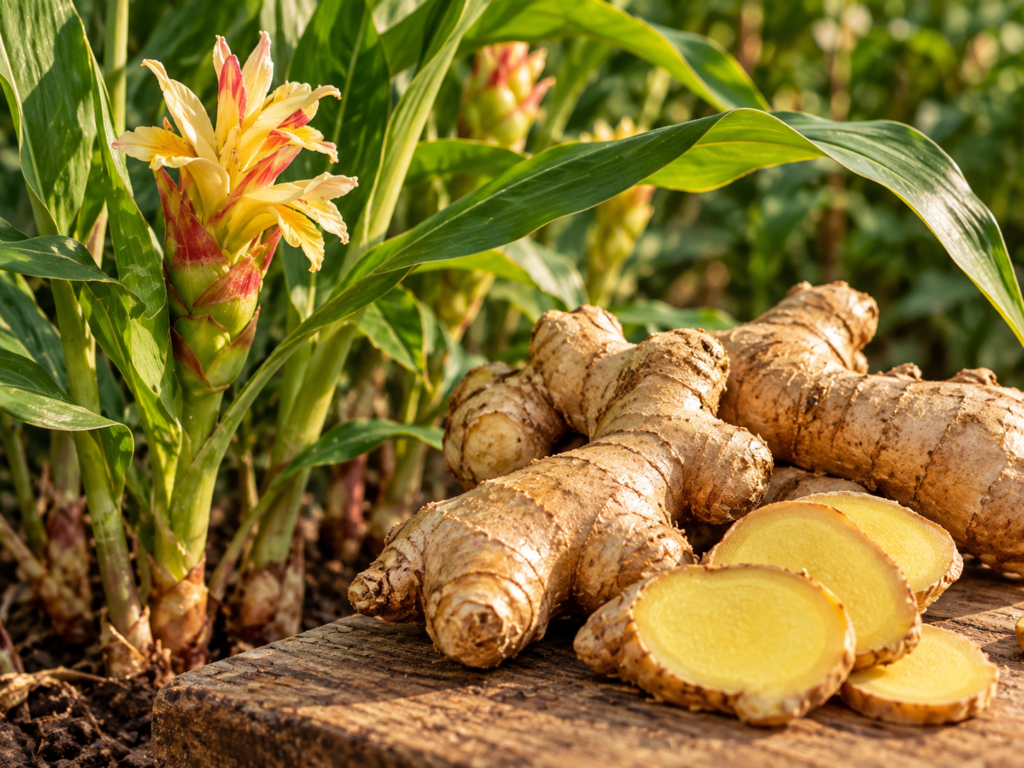
Ginger
A warming aromatic herb traditionally used for digestive comfort and as an everyday food and herbal preparation.
Related Rooted Traveler Co. Guides
Want to go deeper? These Rooted Traveler Co. guides build on nettle’s place as a nourishing wild plant, seasonal herb, and useful addition to the home medicinal garden.
Healing Lawn Weeds Cheat Sheet
Learn to recognize useful plants growing close to home and explore the traditional herbal value hiding in familiar lawns, gardens, and wild spaces.
Spring Foraging Basics
Build confidence identifying and gathering useful spring plants while learning practical harvesting habits and responsible foraging basics.
Backyard Medicinal Herb Garden
Learn how to grow useful medicinal herbs at home and create a practical garden filled with plants you can harvest and work with throughout the seasons.
Sources + Further Reading
Want to dig deeper? These sources offer additional information on nettle’s traditional uses, nutritional composition, different plant parts, modern research, and herbal-medicine context.
European Medicines Agency (EMA)
European Union Herbal Monograph on Urtica dioica L.; Urtica urens L., Herba.
An official European herbal monograph covering nettle herb and its traditional medicinal uses. The EMA maintains separate assessments for nettle herb, leaf, and root—an important distinction because evidence and uses differ depending on the plant part.
European Medicines Agency — Nettle Herb
Grauso L, de Falco B, Lanzotti V, Motti R.
Stinging Nettle (Urtica dioica L.): Nutritional Composition, Bioactive Compounds, and Food Functional Properties.
A review examining nettle’s history as both food and traditional medicine, along with the nutritional composition and bioactive compounds found in the plant. It supports the important food-and-nourishment side of nettle covered on this page.
PubMed — Stinging Nettle: Nutritional Composition & Bioactive Compounds
Devkota HP et al.
Nutritional and Pharmacological Importance of Stinging Nettle (Urtica dioica L.): A Review.
Heliyon. 2022;8:e09717.
A broader review of nettle’s nutritional and traditional medicinal uses, including its vitamins, minerals, polyphenols and carotenoids, while also distinguishing uses of the leaves from those of the root.