

HERB PROFILE
Ginger
Zingiber officinale
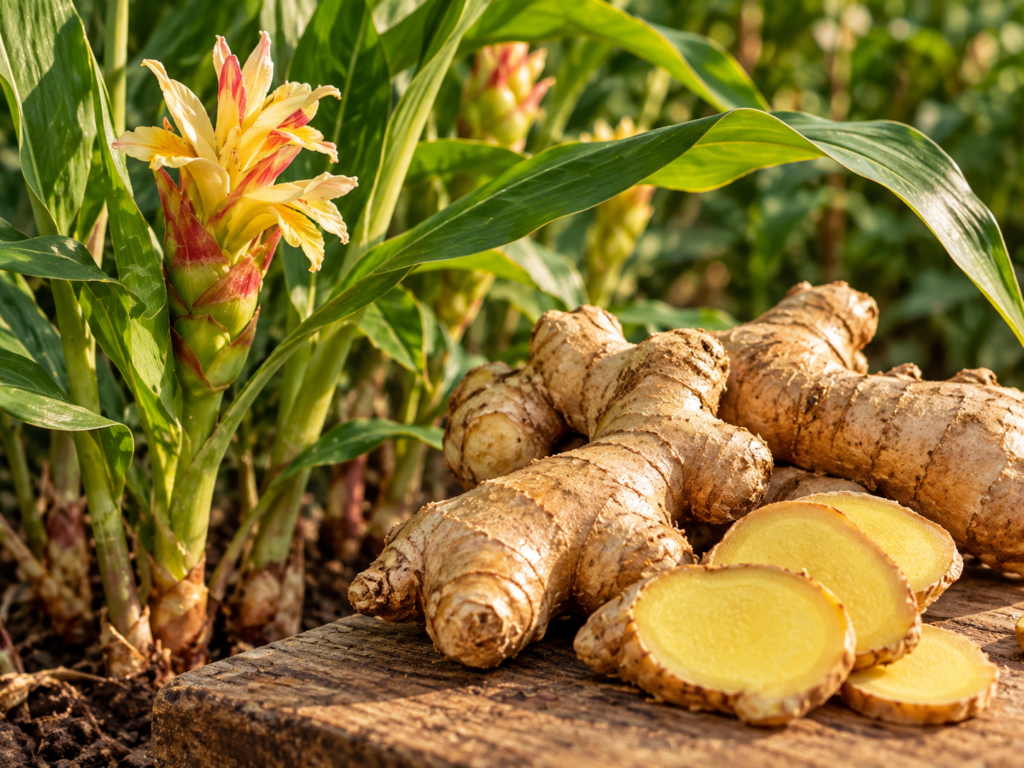
Ginger is a warming, aromatic perennial with a long history of use as both food and herbal medicine. Its rhizome is especially valued in traditional herbal systems for supporting digestion, easing nausea, and bringing warming comfort when the digestive system feels unsettled.
Digestive • Warming • Antiemetic
Family: Zingiberaceae · Part used: Rhizome
At A Glance
Key Actions
Digestive · Warming · Antiemetic
Best Known For
Nausea · Digestive comfort · Warming support
Common Preparations
Tea · Tincture · Capsules · Food
Traditional Uses + Modern Context
Ginger has been used for centuries in Asian, Middle Eastern, and European food and herbal traditions. The rhizome has traditionally been valued for digestive discomfort, nausea, poor appetite, and feelings of digestive coldness or sluggishness, while its warming character has made it a familiar ingredient in both culinary and medicinal preparations.
Modern research has focused especially on ginger for nausea and vomiting, including pregnancy-related nausea and postoperative nausea, as well as digestive and inflammatory effects. Evidence is strongest for certain types of nausea, although results vary by preparation, dose, and situation. Ginger is best presented as a traditional digestive and warming herb with meaningful clinical research behind some—but not all—of its traditional uses.
Traditionally Used For
Nausea + unsettled stomach
Digestive discomfort + sluggish digestion
Warming digestive support
Food + traditional herbal preparations
Herbal Actions
Ginger’s traditional actions center on the digestive system, where its aromatic, warming qualities have long made it a practical herb for nausea, digestive discomfort, and sluggish digestion.
Digestive
Ginger has a long tradition of use for supporting digestion, particularly when the stomach feels unsettled, heavy, or sluggish. Its aromatic compounds also make it a familiar addition to preparations used around meals.
Warming
Ginger is traditionally considered a warming herb. Its pungent character makes it especially valued when digestive discomfort is associated with feelings of coldness or when gentle warming support is desired.
Antiemetic
Ginger is widely used for nausea and vomiting, and this is one of its most extensively studied modern applications. Research supports its usefulness for certain types of nausea, although effectiveness varies depending on the situation and preparation.
Explore by Need
Looking for a practical way to use ginger? Start with the kind of digestive support you’re looking for, then choose a preparation that fits the situation.
Nausea + Queasiness
Ginger is widely used when the stomach feels unsettled or nauseated. This traditional use is also one of the herb’s most extensively studied modern applications.
Digestive Discomfort
Ginger is traditionally used after or around meals when digestion feels heavy, sluggish, or uncomfortable, making it a useful addition to everyday digestive preparations.
Warming Support
Ginger’s pungent, warming character makes it a traditional choice when gentle warmth is desired, particularly during cold weather or when digestive discomfort is accompanied by a sense of coldness.
Preparations
Ginger can be prepared in several simple ways, from fresh tea and everyday cooking to concentrated tinctures and capsules. The best preparation depends on whether you want gentle everyday digestive support or a more convenient, concentrated form.
Tea
Fresh or dried ginger can be steeped in hot water to make a warming, aromatic tea. This is one of the simplest ways to use ginger when the stomach feels unsettled or digestive warmth is desired.
Tincture
Ginger rhizome can be extracted in alcohol to create a concentrated, shelf-stable preparation. Tinctures provide a convenient way to use small amounts of ginger as part of a digestive herbal routine.
Capsules
Dried ginger powder or extracts are commonly available in capsules. Standardized preparations have been used in many modern studies investigating ginger for nausea and other digestive effects.
Food
Fresh or dried ginger can be incorporated into soups, curries, stir-fries, baked goods, and other foods, making it one of the easiest medicinal herbs to include regularly in everyday cooking.
Growing Ginger
Ginger is a tropical perennial grown from pieces of rhizome rather than seed. It thrives in warmth, rich soil, and consistent moisture and can be grown successfully in containers in cooler climates, where plants can be brought indoors before frost.
SUN
Light
Ginger grows well in bright, filtered light or partial shade. Outdoors, protection from intense afternoon sun can help keep the broad leaves from drying or scorching.
CARE
Soil + Water
Plant ginger in rich, loose, well-drained soil that holds some moisture without becoming waterlogged. Keep the soil consistently moist during active growth, but avoid letting the rhizomes sit in soggy conditions.
PLANTING
Planting + Growth
Plant healthy pieces of rhizome with visible growth buds just beneath the soil surface once conditions are warm. Ginger needs a long, frost-free growing season, so in colder climates it can be started indoors and grown in a large container that can be moved inside as temperatures fall.
Harvesting and Drying
Ginger is harvested for its underground rhizomes. The timing of harvest depends on whether you want young, tender ginger for fresh use or fully mature rhizomes with a stronger flavor and better storage potential.
When to Harvest
Young ginger can be harvested several months after planting while the rhizomes are still tender. For mature ginger, allow the plant to grow through most of the season and harvest when the foliage begins to yellow and die back.
What to Gather
Carefully loosen the soil and lift the rhizomes, taking care not to damage them. In a long growing season, small portions can sometimes be harvested while leaving the rest of the plant to continue developing.
Drying + Storage
Wash harvested rhizomes and allow them to dry thoroughly before storing fresh. For dried ginger, slice the cleaned rhizome into thin pieces and dry completely with good airflow or gentle heat. Store fully dried ginger in an airtight container away from moisture, heat, and direct light.
Safety + Considerations
Ginger is widely used as both food and herbal medicine and is generally well tolerated, but concentrated or regular medicinal use deserves additional consideration, particularly during pregnancy and alongside medications that affect bleeding or blood sugar.
Pregnancy + Breastfeeding
Ginger has been studied for pregnancy-related nausea and is commonly used in modest amounts during pregnancy. However, concentrated supplements or regular medicinal use should be discussed with a healthcare professional, particularly during pregnancy or breastfeeding.
Medications + Bleeding
Ginger may influence platelet activity, particularly at higher supplemental amounts. People taking anticoagulant or antiplatelet medications, those with bleeding disorders, or anyone preparing for surgery should seek professional guidance before using concentrated ginger preparations regularly.
Blood Sugar + Digestive Effects
Concentrated ginger preparations may affect blood sugar and can occasionally cause heartburn, abdominal discomfort, or diarrhea. People taking blood-glucose-lowering medications should use medicinal amounts with appropriate guidance.
This page is educational and is not a substitute for individualized medical advice.
Keep Exploring
Ginger connects naturally with other herbs traditionally valued for digestive comfort, nausea, and soothing an unsettled digestive system.
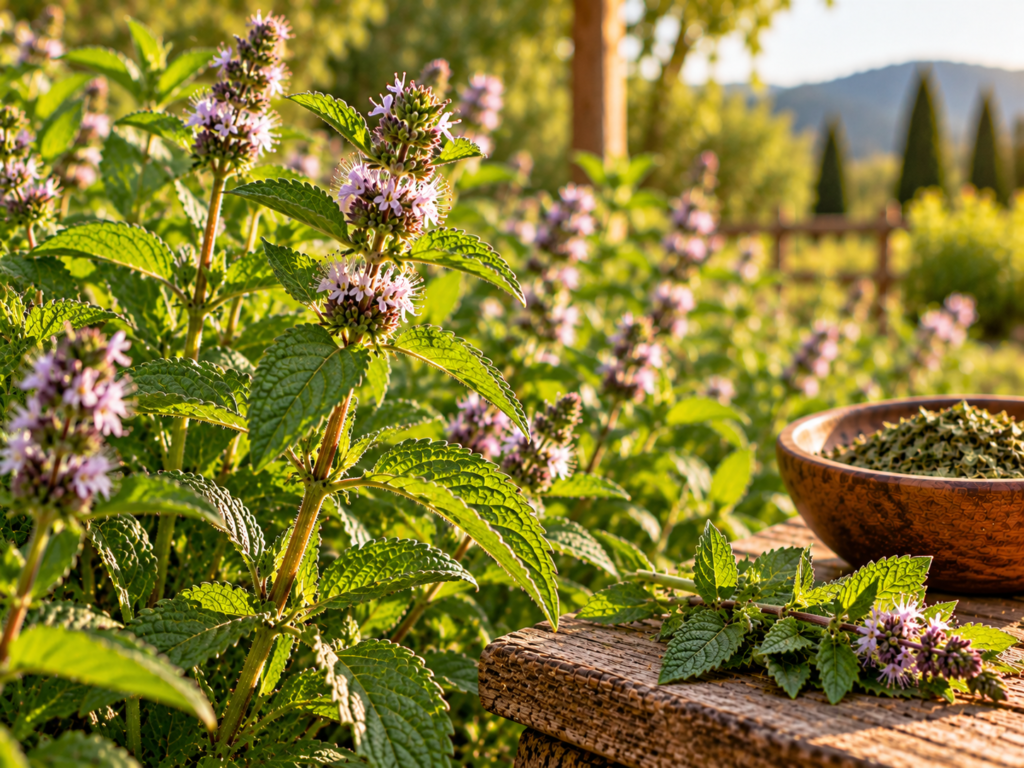
Peppermint
A cooling aromatic herb traditionally used for digestive discomfort, gas, bloating, and feelings of digestive heaviness.

Chamomile
A gentle aromatic herb with a long tradition of use for calming both skin and nervous tension.

Dandelion
A familiar bitter herb traditionally valued for supporting appetite, digestion, and sluggish digestive patterns.
Related Rooted Traveler Co. Guides
Want to go deeper? These Rooted Traveler Co. guides build on ginger’s place in digestive support, practical herbal preparations, and working with herbs for everyday digestive discomfort.
Digestion: Gas & Bloating Herbal Support
Explore herbs and practical preparations traditionally used for gas, bloating, digestive heaviness, and everyday digestive comfort.
Digestive Bitters DIY Guide
Learn how bitter and aromatic herbs can be used around meals, then create simple homemade bitters to support appetite and digestion.
Build Your Own Materia Medica
Create your own organized herbal reference while learning how to document each herb’s actions, preparations, uses, safety considerations, and growing information.
Sources + Further Reading
Want to dig deeper? These sources offer additional information on ginger’s traditional uses, evidence for nausea and digestive complaints, preparations, and safety considerations.
European Medicines Agency (EMA)
European Union Herbal Monograph on Zingiber officinale Roscoe, Rhizoma.
The current official European monograph covers ginger rhizome, including established use for preventing nausea and vomiting in motion sickness and traditional uses for mild gastrointestinal complaints such as bloating and flatulence.
European Medicines Agency — Ginger Rhizome
National Center for Complementary and Integrative Health (NCCIH)
Ginger.
An evidence and safety overview covering ginger’s traditional digestive use, research on several forms of nausea and vomiting, pregnancy-related nausea, potential side effects, and medication considerations.
Viljoen E, Visser J, Koen N, Musekiwa A.
A Systematic Review and Meta-Analysis of the Effect and Safety of Ginger in the Treatment of Pregnancy-Associated Nausea and Vomiting.
Nutrition Journal. 2014;13:20.
A systematic review of 12 randomized controlled trials involving 1,278 participants that found evidence of improvement in pregnancy-related nausea while also noting limitations in the available evidence.