

HERB PROFILE
Yarrow
Achillea millefolium
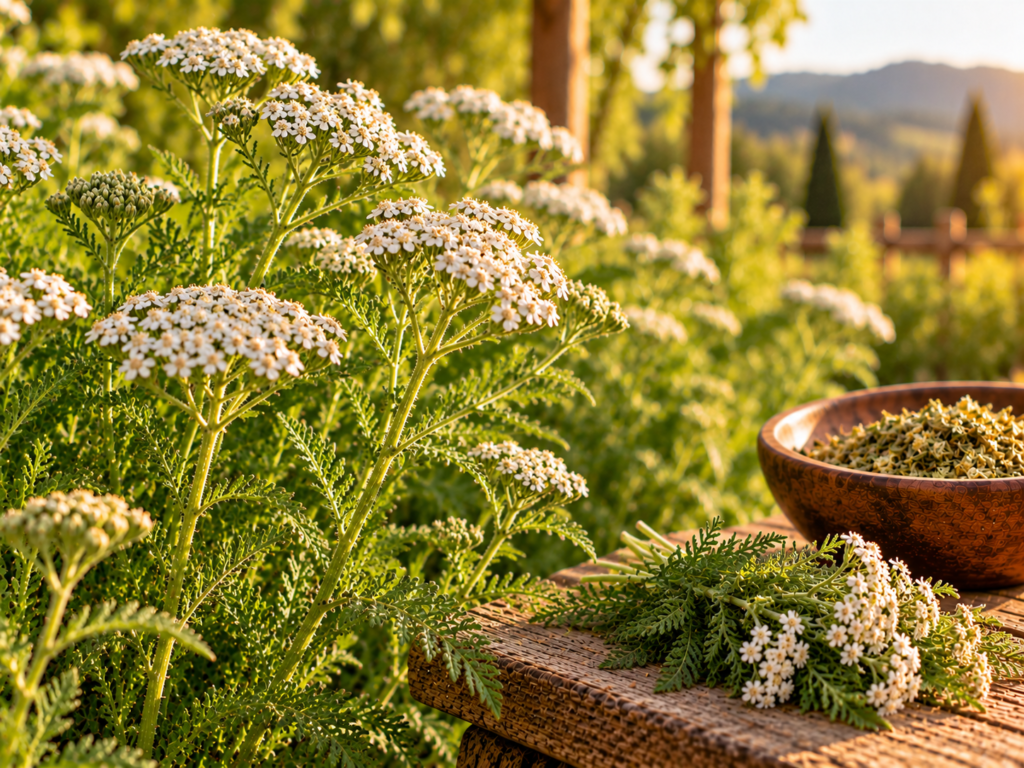
Yarrow is an aromatic perennial with a long history in European and North American herbal traditions. Its flowering aerial parts are especially valued in traditional herbalism for minor wound care, astringent preparations, and supporting the body during seasonal illness.
Astringent • Vulnerary • Diaphoretic
Family: Asteraceae · Parts used: Flowering aerial parts
At A Glance
Key Actions
Astringent · Vulnerary · Diaphoretic
Best Known For
Minor wound care · Seasonal support · Astringent tissue support
Common Preparations
Tea · Tincture · Poultice · Infused oil
Traditional Uses + Modern Context
Yarrow has a long history in European and North American herbal traditions. The flowering aerial parts have traditionally been used externally for minor wounds and irritated skin, while teas and other internal preparations have been used for digestive complaints and during feverish seasonal illnesses.
Modern research has investigated yarrow for antimicrobial, anti-inflammatory, digestive, and wound-related effects, but much of the evidence remains laboratory, animal, or otherwise preliminary. Its traditional uses are therefore better established than many modern therapeutic claims, and yarrow is best presented as a traditional astringent, vulnerary, and diaphoretic herb rather than as a proven treatment for wounds, fever, or infection.
Traditionally Used For
Minor wounds + topical care
Feverish seasonal illness
Digestive discomfort
Astringent herbal preparations
Herbal Actions
Yarrow’s traditional actions reflect its long history as an herb for toning tissues, supporting minor wound care, and encouraging the body’s natural response during feverish seasonal illness.
Astringent
Yarrow has astringent qualities traditionally valued for toning tissues. This action contributes to its long-standing use in washes, compresses, and other preparations for minor skin concerns.
Vulnerary
Yarrow is traditionally considered a vulnerary herb and has long been applied externally in poultices, washes, and other preparations intended to support minor damaged or irritated skin.
Diaphoretic
Yarrow has traditionally been used as a diaphoretic, particularly as a warm tea during feverish seasonal illnesses. Diaphoretic herbs are traditionally used to encourage perspiration as part of the body’s natural response to heat and fever.
Explore by Need
Looking for a practical way to use yarrow? Start with the kind of support you’re looking for, then choose a preparation that fits the situation.
Minor Skin + Wound Care
Yarrow is traditionally used externally for minor cuts, scrapes, and irritated skin, often as a poultice, wash, or compress when gentle astringent support is desired.
Seasonal Fever Support
Warm yarrow tea has traditionally been used during feverish seasonal illnesses to encourage perspiration and support the body’s natural response to fever.
Digestive Discomfort
Yarrow’s bitter and aromatic qualities have traditionally made it useful in preparations for mild digestive discomfort, particularly when digestion feels sluggish or unsettled.
Preparations
Yarrow can be prepared in several ways using the flowering aerial parts. Internal preparations such as tea and tincture reflect its traditional digestive and seasonal uses, while poultices and infused oils are better suited to topical care.
Tea
Dried yarrow can be steeped in hot water to make an aromatic, slightly bitter tea. Warm yarrow tea has traditionally been used during feverish seasonal illnesses and for mild digestive discomfort.
Tincture
Yarrow’s flowering aerial parts can be extracted in alcohol to create a concentrated, shelf-stable preparation traditionally used for digestive and seasonal support.
Poultice
Fresh yarrow leaves and flowering tops can be crushed and applied externally as a simple poultice. This traditional preparation has long been used for minor cuts, scrapes, and irritated skin.
Infused Oil
Dried yarrow can be infused into a carrier oil for topical use. The finished oil can be used on its own or incorporated into salves and other preparations for everyday skin care.
Growing Yarrow
Yarrow is a hardy perennial that thrives in sunny, relatively dry conditions and requires little care once established. Its spreading rhizomes and ability to self-seed can create substantial patches over time.
SUN
Light
Yarrow grows best in full sun, where it develops sturdy stems and abundant flowers. It tolerates partial shade, although plants may become taller and produce fewer blooms.
CARE
Soil + Water
Plant yarrow in well-drained soil. It tolerates poor and relatively dry soils once established and generally needs little supplemental water except during prolonged drought or while young plants are establishing.
PLANTING
Sowing + Growth
Yarrow can be grown from seed, divisions, or young plants. Seeds can be pressed lightly onto the soil surface because light supports germination. Established plants spread through rhizomes and may self-seed, so divide or thin patches when needed to control their growth.
Harvesting and Drying
Yarrow is harvested primarily for its leaves and flowering tops. The plant is most aromatic during flowering, making this the traditional time to gather material for teas, tinctures, and topical preparations.
When to Harvest
Harvest yarrow when the flower clusters are open and the plant is in active bloom. Choose a dry day after morning moisture has evaporated.
What to Gather
Cut the upper flowering stems along with healthy leaves, leaving the lower portion of the plant intact so it can continue growing. Choose clean, undamaged plants from areas free of chemical treatment and contamination.
Drying + Storage
Bundle small stems loosely or spread the flowering tops and leaves in a thin layer with good airflow. Dry away from direct sunlight until completely crisp, then store in an airtight container away from heat, moisture, and light.
Safety + Considerations
Yarrow has a long history of traditional use, but allergy risk, pregnancy, and regular medicinal use alongside certain medications deserve additional consideration.
Allergy + Asteraceae Sensitivity
Yarrow belongs to the Asteraceae family. People sensitive to ragweed, chamomile, chrysanthemums, or related plants may be more likely to experience an allergic reaction, including skin irritation from topical preparations.
Pregnancy + Breastfeeding
Medicinal use of yarrow is generally avoided during pregnancy because adequate safety has not been established and traditional sources raise concerns about uterine effects. Safety during breastfeeding is also insufficiently established.
Medications + Bleeding
Yarrow may influence blood clotting, although clinical evidence is limited. People taking anticoagulant or antiplatelet medications, those with bleeding disorders, or anyone preparing for surgery should seek professional guidance before regular medicinal use.
This page is educational and is not a substitute for individualized medical advice.
Keep Exploring
Yarrow connects naturally with other herbs traditionally valued for topical care, soothing irritated tissues, and practical everyday herbal support.
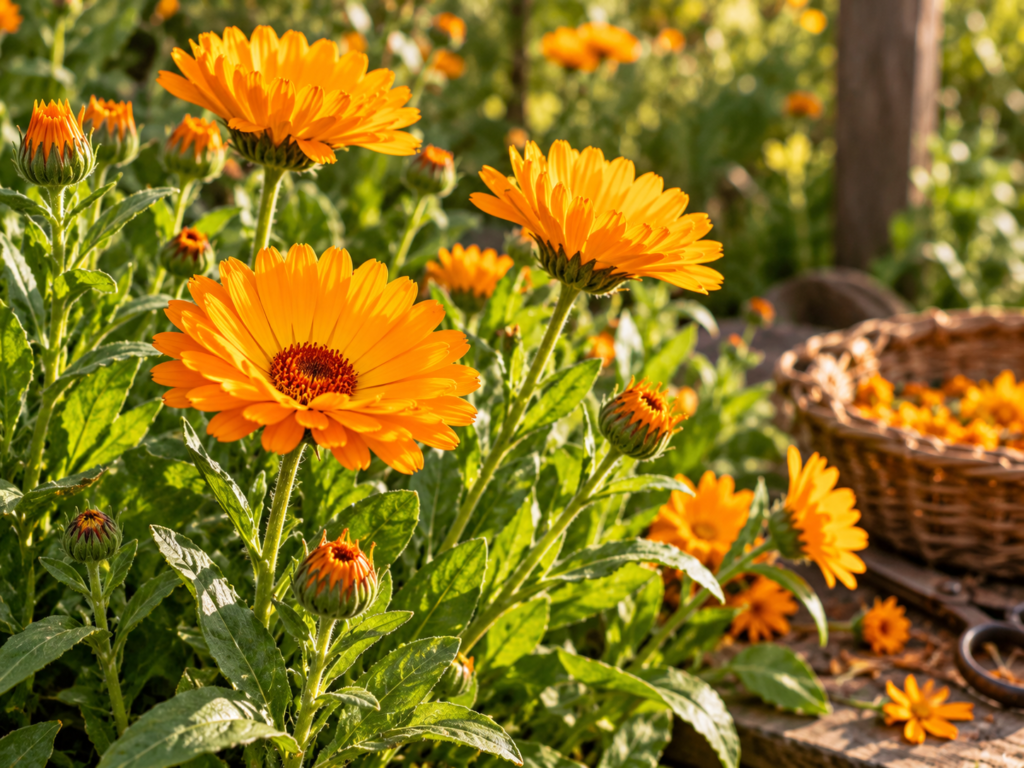
Calendula
A gentle skin-support herb traditionally used in infused oils, salves, and other topical preparations for dry, irritated, or minor damaged skin.

Plantain
A familiar garden and lawn herb traditionally used in soothing topical preparations.
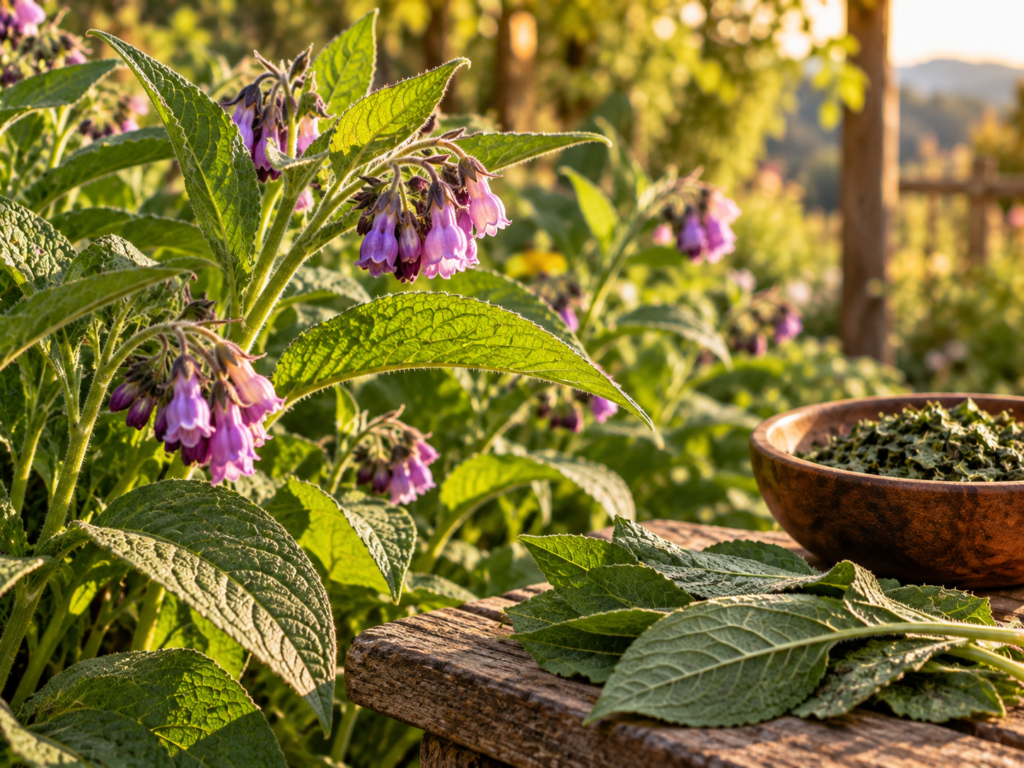
Comfrey
A traditional topical herb valued for soothing irritated tissues and commonly prepared as infused oils, salves, poultices, and compresses.
Related Rooted Traveler Co. Guides
Want to go deeper? These Rooted Traveler Co. guides build on yarrow’s place in practical herbal first aid, topical preparations, and growing useful medicinal herbs at home.
Herbal First Aid Kit
Build a practical herbal toolkit with herbs and preparations traditionally used for minor skin irritation, cuts, scrapes, bites, stings, and other everyday needs.
DIY Herbal Oils & Salves
Learn how to turn herbs into infused oils and simple salves for practical topical care and everyday herbal use.
Backyard Medicinal Herb Garden
Learn how to grow useful medicinal herbs at home—including hardy perennials like yarrow—and create a garden you can harvest from year after year.
Sources + Further Reading
Want to dig deeper? These sources offer additional information on yarrow’s traditional uses, preparations, botanical constituents, modern research, and herbal-medicine context.
European Medicines Agency (EMA)
European Union Herbal Monograph on Achillea millefolium L., Herba.
An official European herbal monograph covering yarrow herb and its traditional medicinal uses, including mild digestive complaints, temporary loss of appetite, minor menstrual spasms, and small superficial wounds.
European Medicines Agency — Yarrow Herb
European Medicines Agency (EMA)
Community Herbal Monograph on Achillea millefolium L., Flos.
A separate assessment of yarrow flower covering its preparations and long-standing traditional use for mild digestive complaints, temporary loss of appetite, minor menstrual spasms, and small superficial wounds.
European Medicines Agency — Yarrow Flower
Ali SI, Gopalakrishnan B, Venkatesalu V.
Pharmacognosy, Phytochemistry and Pharmacological Properties of Achillea millefolium L.: A Review.
Phytotherapy Research. 2017;31(8):1140–1161.
A broad scientific review examining yarrow’s traditional uses, phytochemistry, and experimental research, including its historical use for gastrointestinal complaints, inflammation, and wound care. The authors also emphasize the need for further clinical research.