

HERB PROFILE
Calendula
Calendula officinalis
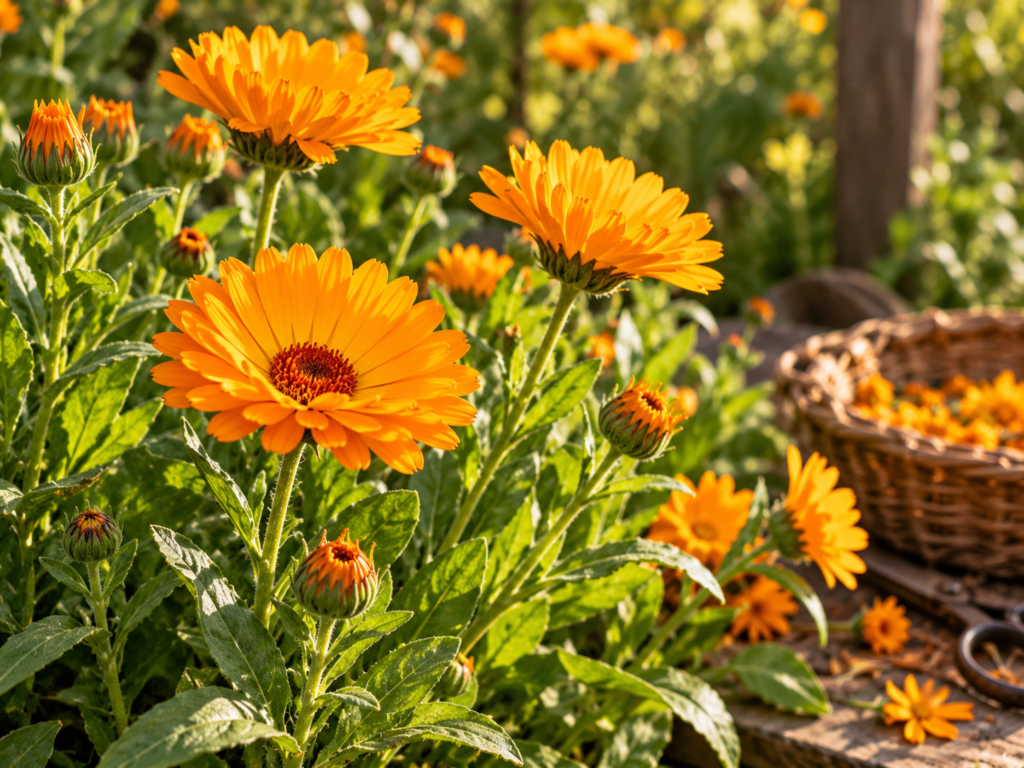
Bright, resinous flowers with a long history of use in topical herbal preparations, calendula is especially at home in infused oils, salves, and simple first-aid preparations.
Vulnerary • Soothing • Skin Support
Family: Asteraceae · Parts used: Flowers
At A Glance
Key Actions
Vulnerary · Soothing · Anti-inflammatory
Best Known For
Skin-soothing preparations · Minor skin irritation · Everyday topical care
Common Preparations
Infused oil · Salve · Compress · Wash
Traditional Uses + Modern Context
Calendula has a long history of topical use in European herbal traditions. Preparations made from the flowers have traditionally been applied to minor cuts, scrapes, irritated skin, and other everyday skin concerns. Infused oils, salves, washes, and compresses remain some of the most familiar ways to work with the herb.
Modern research has explored calendula for several types of skin and wound care, with some promising findings, but the clinical evidence is still limited and varies by preparation and use. Its traditional reputation is stronger than the current body of human research, so calendula is best presented as a well-established traditional topical herb rather than as a proven treatment.
Traditionally Used For
Minor cuts + scrapes
Irritated or tender skin
Everyday topical care
Infused oils + salves
Herbal Actions
Calendula’s actions help explain why it appears so often in topical herbal preparations. These terms describe how herbalists traditionally understand the plant’s qualities and uses.
Vulnerary
Traditionally used to support the skin’s natural repair process and commonly included in preparations for minor cuts, scrapes, and irritated skin.
Soothing
Used topically to calm and comfort dry, tender, or irritated skin.
Anti-inflammatory
Traditionally valued for helping settle local irritation and inflammatory discomfort in the skin.
Explore by Need
Looking for a practical way to use calendula? Start with the kind of support you’re looking for, then explore the preparations that fit.
Dry or Irritated Skin
Calendula-infused oils, salves, and creams are commonly used to soothe and protect dry, rough, or easily irritated skin.
Minor Everyday Skin Care
For small scrapes, chafed areas, and other minor skin concerns, calendula is traditionally used in gentle washes, compresses, salves, and infused oils.
Simple First-Aid Preparations
Calendula is a useful herb to keep in a home herbal kit, especially as an infused oil or salve that can be reached for when everyday skin irritation comes up.
Preparations
Calendula is most often prepared for topical use. The best preparation depends on whether you want something rich and protective, light and washable, or simple enough to make on the spot.
Infused Oil
Dried calendula flowers can be infused into a carrier oil to create a versatile base for skin care. Use the finished oil on its own or as the starting point for salves and balms.
Salve
A calendula salve combines infused oil with wax for a thicker, longer-lasting preparation. It is especially convenient for dry or rough skin and for keeping in a home herbal kit.
Compress
A strong calendula infusion can be applied externally with a clean cloth as a warm or cool compress. This is a simple option when you want a water-based preparation without making a product to store.
Wash
A cooled calendula infusion can also be used as a gentle external wash. Make it fresh, allow it to cool completely, and discard leftovers rather than storing them for long periods.
Growing Calendula
Calendula is an easy, generous annual that fits comfortably into herb gardens, vegetable beds, and containers. Give it plenty of sun, reasonably well-drained soil, and regular harvesting, and it can flower for months.
SUN
Light
Full sun is best, although calendula can tolerate some light shade. In very hot summers, a little afternoon shade may help flowers last longer.
CARE
Soil + Water
Grow in well-drained garden soil and water regularly while plants establish. Once growing well, calendula is fairly undemanding and does not need especially rich soil.
PLANTING
Sowing + Flowering
Sow seeds directly outdoors around the last frost or start them indoors a few weeks earlier. Calendula grows quickly from seed and regular picking or deadheading encourages continued flowering.
Harvesting and Drying
Calendula rewards frequent picking. Harvesting flowers regularly encourages the plant to keep producing, while careful drying gives you flowers that can be stored for teas, oils, salves, and other preparations.
When to Harvest
Pick fully opened flower heads on a dry day, ideally after morning moisture has evaporated. Choose fresh, healthy blooms and leave damaged or fading flowers behind.
What to Gather
For herbal preparations, the whole flower head is commonly harvested rather than only the loose petals. The green base beneath the petals contains much of the sticky, resinous material valued in topical preparations.
Drying + Storage
Spread flower heads in a single layer with good airflow and dry them thoroughly before storing. Once completely dry, keep them in an airtight container away from heat, moisture, and direct light.
Safety + Considerations
Calendula is generally considered a gentle herb when used topically, but “natural” does not mean reaction-free. A few simple precautions are worth keeping in mind.
Asteraceae Sensitivity
Calendula belongs to the Asteraceae family. People who are sensitive to plants in this family may also react to calendula; discontinue use if irritation develops.
Serious or Complicated Wounds
Home herbal preparations are best reserved for minor skin care. Deep wounds, serious burns, infected wounds, heavy bleeding, or injuries that are not healing normally need appropriate medical care.
Pregnancy + Internal Use
This page focuses primarily on topical use. Internal use, concentrated preparations, and use during pregnancy or breastfeeding deserve additional consideration rather than assuming that topical guidance applies in the same way.
This page is educational and is not a substitute for individualized medical advice.
Keep Exploring
Calendula connects naturally with other herbs used for skin care, first aid, and gentle everyday support. Continue exploring related plants in the Rooted Library.

Plantain
A familiar garden and lawn herb traditionally used in soothing topical preparations.
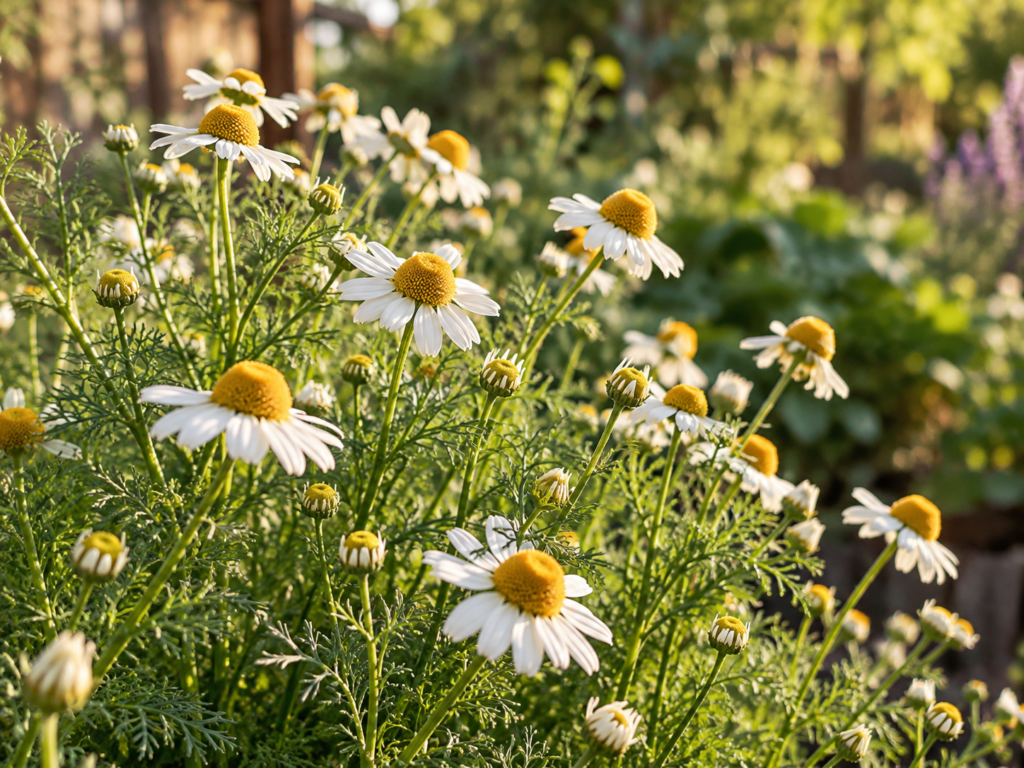
Chamomile
A gentle aromatic herb with a long tradition of use for calming both skin and nervous tension.

Yarrow
A classic first-aid herb traditionally associated with minor wounds and topical care.
Related Rooted Traveler Co. Guides
Want to go deeper? These Rooted Traveler Co. guides expand on calendula’s most practical uses, from topical preparations to building a useful home herbal kit.
DIY Herbal Oils & Salves
Learn the foundations of infused oils and salves, including practical ways to turn herbs into everyday topical preparations.
Herbal First Aid Kit
Build a practical home herbal kit with herbs and preparations chosen for common everyday needs.
Natural Herbal Skincare
Explore simple herbal approaches to everyday skin care, including oils, salves, and other gentle topical preparations.
Sources + Further Reading
This profile draws on traditional herbal practice alongside contemporary regulatory and scientific literature. Where clinical evidence is limited, traditional use is identified as such rather than presented as established medical effectiveness.
European Medicines Agency (EMA)
Calendula officinalis L., flos — European Union herbal monograph and assessment report. Traditional medicinal use includes minor inflammation of the skin and use as an aid in the healing of minor wounds. European Medicines Agency (EMA)
Givol O, et al. (2019)
A systematic review of Calendula officinalis extract for wound healing. Wound Repair and Regeneration, 27(5), 548–561. The review found some evidence supporting calendula in wound healing, while emphasizing the need for larger, well-designed clinical trials. A systematic review of Calendula officinalis extract for wound healing
Leach MJ (2008)
Calendula officinalis and Wound Healing: A Systematic Review. Wounds, 20(8), 236–243. This earlier review found the clinical evidence supporting topical calendula for wounds to be weak and called for further research. Calendula officinalis and Wound Healing: A Systematic Review