

HERB PROFILE
Echinacea
Echinacea purpurea
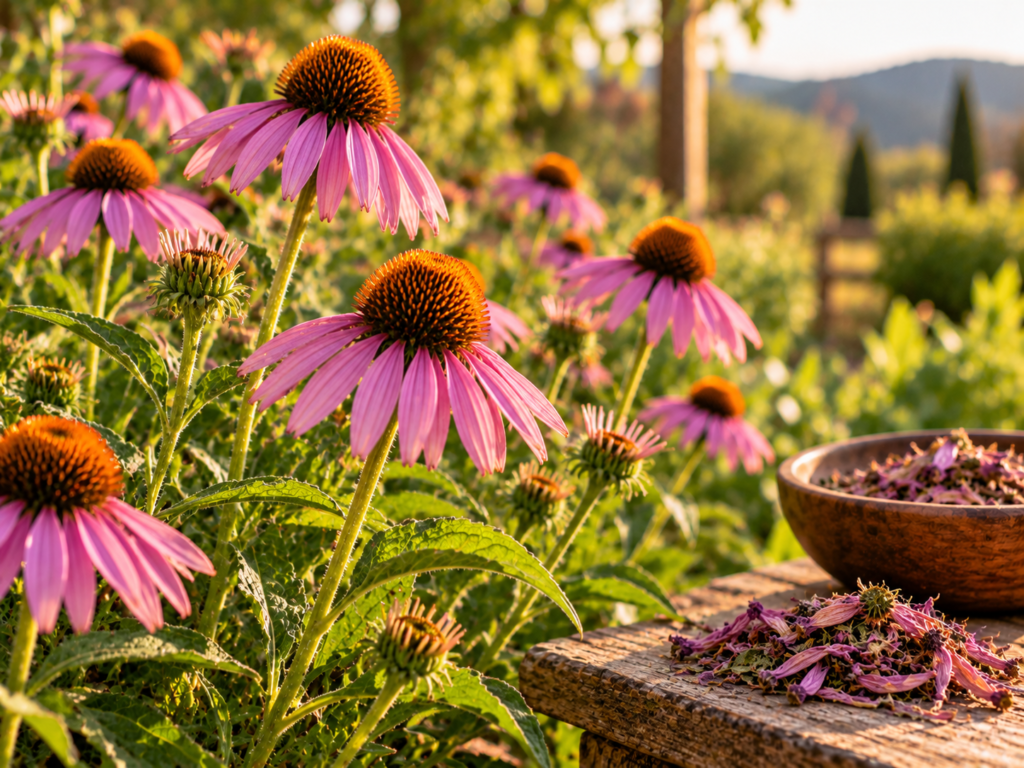
Echinacea is a hardy North American perennial with a long history of traditional use, particularly for infections, wounds, and general immune support. Today, its roots and aerial parts are widely used in herbal preparations associated with colds and other upper respiratory infections.
Immune Support • Alterative • Lymphatic
Family: Asteraceae · Parts used: Root + aerial parts
At A Glance
Key Actions
Immune Support · Alterative · Lymphatic
Best Known For
Cold-season support · Upper respiratory infections · Immune support
Common Preparations
Tincture · Tea · Capsules · Syrup
Traditional Uses + Modern Context
Echinacea has a long history of use among Indigenous peoples of North America, with different Echinacea species traditionally used for a variety of purposes, including wounds, bites, sore throats, and other ailments. It was later adopted into Western herbal practice, where the root and aerial parts became especially associated with infections and immune-system support.
Modern research has focused largely on echinacea preparations for preventing or shortening the duration of common colds and other upper respiratory infections. Results have been mixed, partly because studies use different species, plant parts, extracts, and formulations. Some preparations may offer modest benefit, but echinacea should not be presented as a proven treatment or guaranteed way to prevent infection.
Traditionally Used For
Cold-season + immune support
Sore throats + respiratory complaints
Wounds + topical preparations
Infections + swollen tissues
Herbal Actions
Echinacea’s traditional actions center on immune and lymphatic support, particularly during periods of acute illness and when the body is responding to infection or irritated tissues.
Immune Support
Echinacea is widely used in modern herbalism to support the body’s natural immune response, particularly at the first signs of a cold or other upper respiratory illness.
Alterative
Traditionally, echinacea has been classified as an alterative—an herb used to support the body’s normal processes of elimination and tissue health, particularly when working with persistent or recurrent skin and inflammatory complaints.
Lymphatic
Echinacea has a long tradition of use as a lymphatic herb, particularly when lymph nodes feel swollen or tender during an immune response. It is often included in herbal formulas intended to support healthy lymphatic circulation and immune function.
Explore by Need
Looking for a practical way to use echinacea? Start with the kind of support you’re looking for, then choose a preparation that fits the situation.
Cold-Season Support
Echinacea is commonly used at the first signs of a cold or other upper respiratory illness as part of short-term herbal support during the body’s immune response.
Sore Throat + Respiratory Support
Echinacea has a long tradition of use for sore throats and respiratory complaints and is commonly included in teas, tinctures, and other cold-season herbal formulas.
Lymphatic Support
Echinacea is traditionally used when lymph nodes feel swollen or tender during illness and is often included in herbal formulas intended to support normal lymphatic and immune function.
Preparations
Echinacea is commonly prepared from the root, aerial parts, or a combination of both. Different commercial products may also use different Echinacea species, so preparations are not necessarily interchangeable.
Tincture
Echinacea root or aerial parts can be extracted in alcohol to create a concentrated liquid preparation. Tinctures are commonly used for short-term support during cold season and are easy to combine with other herbs.
Tea
Dried echinacea root or aerial parts can be prepared as tea. The tougher root benefits from simmering, while leaves and flowers can be steeped in hot water and are often combined with other cold-season herbs.
Capsules
Powdered echinacea and concentrated extracts are widely available in capsules. Because products may contain different species, plant parts, and extract strengths, following the directions for the specific preparation is important.
Syrup
Echinacea can be incorporated into herbal syrups, often alongside other herbs traditionally used during cold season. Syrups provide an easy way to combine several herbs in one preparation.
Growing Echinacea
Echinacea is a hardy North American perennial that grows well in sunny garden beds and prairie-style plantings. Once established, its deep root system makes it relatively drought tolerant, and mature plants return reliably year after year.
SUN
Light
Echinacea grows best in full sun, ideally receiving at least six hours of direct sunlight each day. It tolerates some partial shade, although flowering may be reduced.
CARE
Soil + Water
Plant in well-drained soil and water regularly while young plants establish. Mature echinacea develops deep roots and generally tolerates dry periods well, making consistently wet soil more problematic than occasional drought.
PLANTING
Sowing + Flowering
Seeds can be sown outdoors or started ahead of the growing season, and a period of cold, moist stratification can improve germination. Echinacea may take a couple of seasons to develop into a substantial flowering plant, so give young plants time to establish.
Harvesting and Drying
Echinacea can be harvested for both its aerial parts and roots. Flowers and leaves are gathered during active growth, while roots are best taken from mature, well-established plants.
When to Harvest
Harvest leaves and flowers during the growing season, ideally when the plant is actively flowering. Roots are generally harvested in fall after the aerial growth begins to die back, typically from plants that are at least two to three years old.
What to Gather
Cut healthy leaves and flowering tops as needed without removing all of the plant’s growth. When harvesting roots, carefully dig mature plants and select healthy, firm root material.
Drying + Storage
Spread leaves and flowers in thin layers with good airflow and dry them away from direct sunlight. Wash roots thoroughly, cut them into smaller pieces, and dry completely before storage. Keep all dried material in airtight containers away from heat, moisture, and light.
Safety + Considerations
Echinacea is generally well tolerated when used appropriately, but allergy risk, immune-related conditions, and medication interactions deserve additional consideration.
Allergy + Asteraceae Sensitivity
Echinacea belongs to the Asteraceae family. People sensitive to ragweed, chamomile, chrysanthemums, or related plants may be more likely to experience an allergic reaction. Discontinue use if signs of allergy develop.
Immune Conditions + Medications
Because echinacea can influence immune activity, people with autoimmune conditions, those taking immunosuppressive medications, or anyone receiving treatment that affects immune function should seek professional guidance before medicinal use.
Pregnancy + Breastfeeding
Safety information for echinacea during pregnancy and breastfeeding is limited. Although available evidence has not identified major safety concerns, regular medicinal use is best discussed with a qualified healthcare professional during these periods.
This page is educational and is not a substitute for individualized medical advice.
Keep Exploring
Echinacea connects naturally with other herbs traditionally valued for seasonal wellness, soothing irritated tissues, and supporting the body during everyday illness.
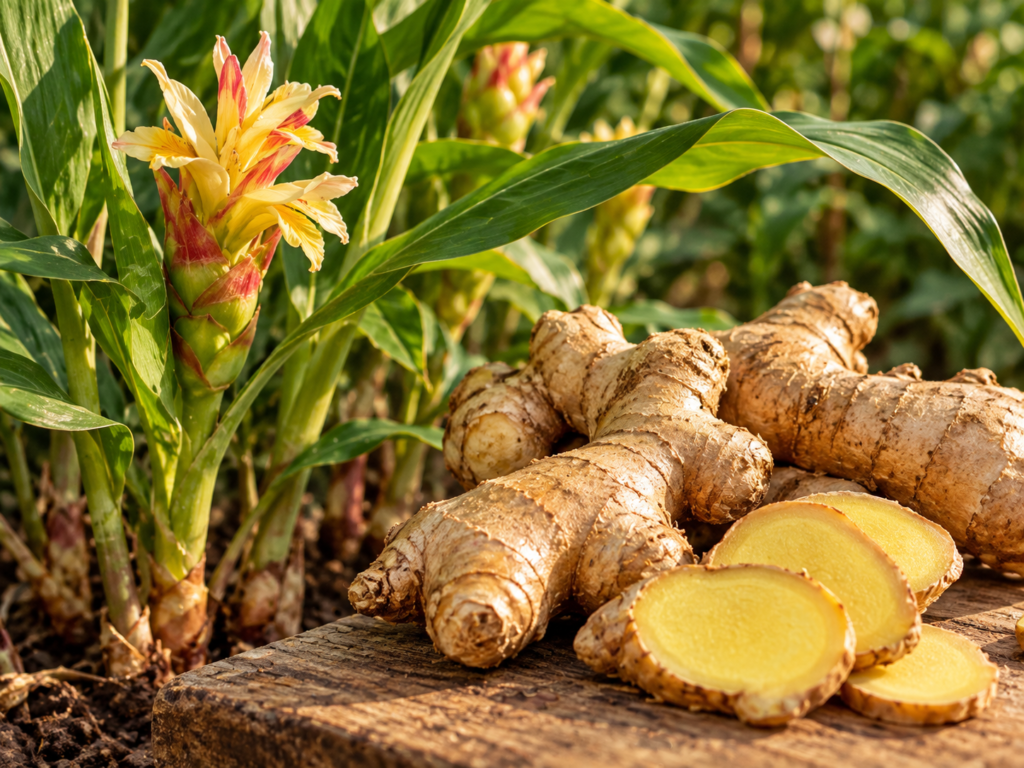
Ginger
A warming aromatic herb traditionally used for nausea, digestive comfort, and gentle support during cold-season routines.
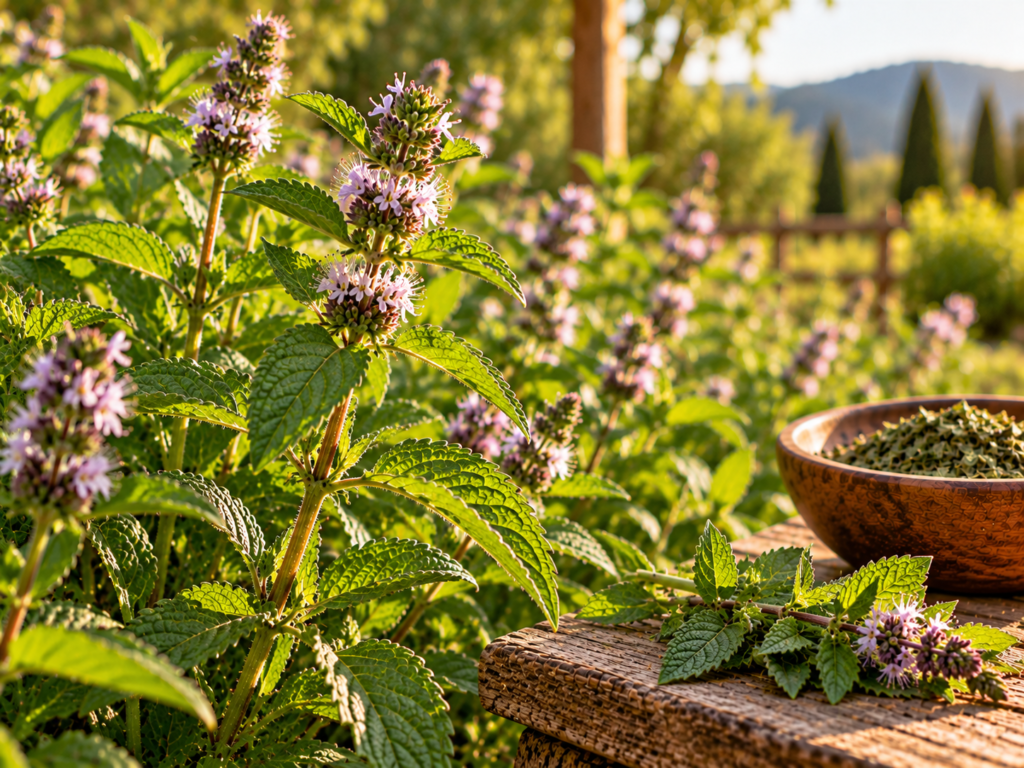
Peppermint
A cooling aromatic herb traditionally used for digestive comfort and commonly included in teas and herbal blends during cold season.

Plantain
A familiar garden and lawn herb traditionally used in soothing topical preparations.
Related Rooted Traveler Co. Guides
Want to go deeper? These Rooted Traveler Co. guides build on echinacea’s place in seasonal wellness, respiratory support, and growing useful medicinal herbs at home.
Respiratory, Sinus & Throat Herbal Support
Explore herbs and practical preparations traditionally used for respiratory comfort, irritated throats, sinus support, and everyday seasonal wellness.
Herbal First Aid Kit
Build a practical herbal toolkit with herbs and preparations traditionally used for common everyday needs, from irritated tissues and minor skin concerns to seasonal discomfort.
Backyard Medicinal Herb Garden
Learn how to grow useful medicinal herbs at home—including perennial plants like echinacea—and create a practical garden you can harvest from year after year.
Sources + Further Reading
Want to dig deeper? These sources offer additional information on echinacea’s traditional uses, common-cold research, different plant parts and preparations, and important safety considerations.
European Medicines Agency (EMA)
European Union Herbal Monographs on Echinacea purpurea (L.) Moench., Herba Recens and Radix.
Official European assessments covering both the fresh aerial parts and root of purple coneflower. The EMA recognizes specific preparations of the aerial parts for short-term common-cold use and traditional topical use for small superficial wounds; it also maintains a separate monograph for the root.
European Medicines Agency — Echinacea purpurea Herb
National Center for Complementary and Integrative Health (NCCIH)
Echinacea: Usefulness and Safety.
An evidence and safety overview covering echinacea species, common-cold and respiratory research, differences among preparations, allergic reactions, pregnancy and breastfeeding, and possible medication interactions. NCCIH notes that echinacea may slightly reduce the chance of catching a cold, while whether it shortens an existing cold remains uncertain.
Karsch-Völk M, Barrett B, Kiefer D, Bauer R, Ardjomand-Woelkart K, Linde K.
Echinacea for Preventing and Treating the Common Cold.
Cochrane Database of Systematic Reviews. 2014;2:CD000530.
A major systematic review evaluating echinacea preparations for prevention and treatment of the common cold. The research highlights an important limitation that applies throughout this page: echinacea products differ substantially in species, plant part, extraction method, and formulation, making broad conclusions difficult.