

HERB PROFILE
Elderberry
Sambucus nigra
Elderberry has a long history of seasonal use, especially during the colder months. The dark berries are commonly prepared as syrups, teas, and other herbal preparations, while the flowers have their own traditional uses for supporting the body during seasonal discomfort.
Immune Support • Diaphoretic • Antioxidant
Family: Adoxaceae · Parts used: Berries • Flowers

At A Glance
Key Actions
Immune Support · Diaphoretic · Antioxidant
Best Known For
Cold-weather wellness · Seasonal immune support · Traditional cold + flu preparations
Common Preparations
Syrup · Tea · Tincture · Cordial
Traditional Uses + Modern Context
Elder has a long history in European herbal traditions, with the flowers and berries used somewhat differently. Elderflowers have traditionally been prepared as warm infusions during colds and feverish illnesses, particularly when gentle sweating was desired. The dark berries became especially associated with cold-weather wellness and are commonly prepared as syrups, teas, and other seasonal preparations.
Modern research has focused largely on elderberry fruit extracts and their potential role in respiratory illness. Some clinical studies have reported reductions in the duration or severity of cold and flu symptoms, but the evidence remains limited and varies considerably by product, preparation, and study quality. Elderberry is therefore best presented as a traditional seasonal herb with emerging research rather than a proven treatment for respiratory infections.
Traditionally Used For
Cold-weather wellness
Seasonal respiratory discomfort
Warm diaphoretic teas (flowers)
Syrups + tonics (berries)
Herbal Actions
Elderberry and elderflower have somewhat different traditional actions, reflecting the different ways each part of the plant has been used. Together, they give elder a distinctive place in seasonal herbalism.
Immune Support
Primarily associated with the berries. Elderberries are traditionally used in cold-weather preparations and are rich in anthocyanins and other plant compounds with antioxidant activity.
Diaphoretic
Primarily associated with the flowers. Warm elderflower preparations have traditionally been used to encourage gentle perspiration during feverish colds and seasonal illness.
Antioxidant
Especially associated with the dark berries. Elderberries contain anthocyanins and other polyphenols that contribute to their antioxidant activity.
Explore by Need
Looking for a practical way to work with elder? Start with the kind of seasonal support you’re looking for, then choose the plant part and preparation that best fits.
Cold-Weather Wellness
Elderberries are commonly prepared as syrups, teas, and other seasonal remedies during the colder months, making them a familiar addition to the winter home apothecary.
Seasonal Immune Support
Elderberry is traditionally used during times of seasonal illness, while its dark fruits also provide anthocyanins and other antioxidant plant compounds.
Feverish Colds + Chills
Elderflower has traditionally been taken as a warm infusion during feverish colds and chills, where its diaphoretic action is associated with encouraging gentle perspiration.
Preparations
Elder is used in several familiar seasonal preparations, with the berries and flowers lending themselves to somewhat different uses. Berries are commonly cooked into syrups and teas, while the delicate flowers are especially well suited to infusions and tinctures.
Elderberry Syrup
Cooked elderberries are commonly prepared as a concentrated seasonal syrup. The berries are simmered in water, strained, and the liquid is typically combined with honey or another sweetener.
Elderflower Tea
Dried elderflowers make a light, aromatic infusion traditionally used during colds and feverish discomfort. Cover the cup while steeping to help retain the flower’s aromatic compounds.
Tincture
Both elderberries and elderflowers can be prepared as tinctures for a concentrated, shelf-stable preparation. Which plant part is used depends on the purpose of the formula.
Cooked Berries
Elderberries can be incorporated into cooked preparations such as syrups, compotes, and preserves. Raw or unripe elderberries can cause digestive upset and are generally cooked before use; stems and leaves are not used as food.
Growing Elder
Elder is a fast-growing perennial shrub that can become a substantial part of the landscape. Give it room to spread, reliable moisture, and good light, and an established plant can provide both flowers and berries year after year.
SUN
Light
Full sun encourages the best flowering and fruit production, although elder can tolerate partial shade. In warmer climates, some afternoon shade can be beneficial.
CARE
Soil + Water
Elder prefers fertile, moisture-retentive soil with good drainage. Keep young plants consistently watered while they establish; mature shrubs appreciate regular moisture, especially during flowering and fruit development.
PLANTING
Growth + Pollination
Plant in spring or fall and allow plenty of room for the shrub to mature. Elder can spread by suckers and may need occasional pruning. Planting more than one compatible elder nearby can improve pollination and berry production.
Harvesting and Drying
Elder provides two distinct harvests: fragrant flower clusters in late spring or early summer and dark, ripe berries later in the season. Harvesting each at the right stage helps preserve the qualities valued in herbal preparations.
When to Harvest
Harvest elderflowers when the clusters are freshly opened and fragrant, ideally on a dry day after morning moisture has evaporated. For berries, wait until the entire cluster has ripened to a deep purple-black and the fruits are plump and fully coloured.
What to Gather
Clip whole flower clusters rather than picking individual blossoms. For berries, cut the ripe cluster from the shrub and remove the berries from their stems before processing. Leave unripe green berries behind, and harvest responsibly so some flowers and fruit remain for wildlife.
Drying + Storage
Spread elderflowers loosely in a single layer and dry them quickly with good airflow away from direct sun. Berries can be used fresh, frozen, or thoroughly dried for storage. Once completely dry, keep flowers or berries in airtight containers away from heat, moisture, and direct light.
Safety + Considerations
Elder has a long history of food and herbal use, but the plant part and preparation matter. Ripe berries and flowers are used differently from the leaves, stems, and unripe fruit, and a few precautions are important.
Raw + Unripe Berries
Raw or insufficiently cooked elderberries can cause nausea, vomiting, and diarrhea. Use fully ripe berries and cook them before eating or preparing them for regular culinary use.
Leaves, Stems + Other Parts
Leaves, stems, bark, and unripe berries contain cyanogenic glycosides and should not be used as food. Remove stems carefully when processing berry clusters and use properly identified elder species intended for herbal or culinary use.
Pregnancy + Medications
Safety data for medicinal amounts of elderberry or elderflower during pregnancy and breastfeeding are limited. People taking medications or managing a medical condition should check with a qualified healthcare professional before using concentrated elder preparations.
This page is educational and is not a substitute for individualized medical advice.
Keep Exploring
Elder connects naturally with other herbs traditionally used through seasonal transitions, especially during the colder months. Continue exploring complementary plants in the Rooted Library.
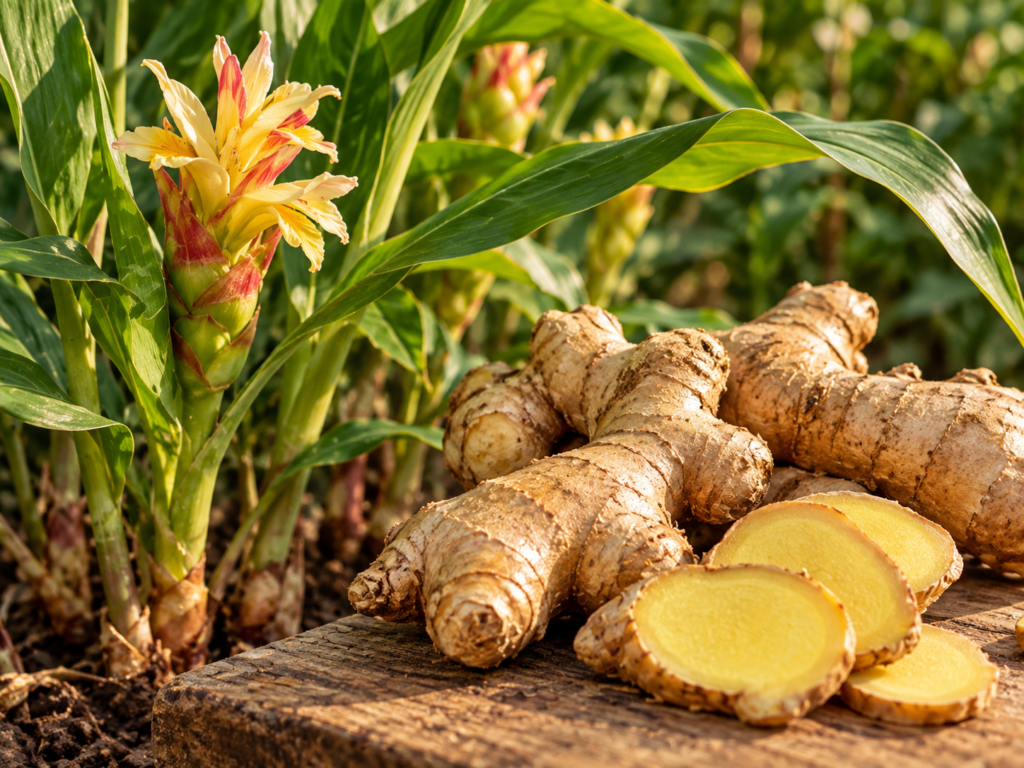
Ginger
A warming aromatic traditionally used in seasonal preparations, especially when cold weather calls for comforting teas and circulatory support.
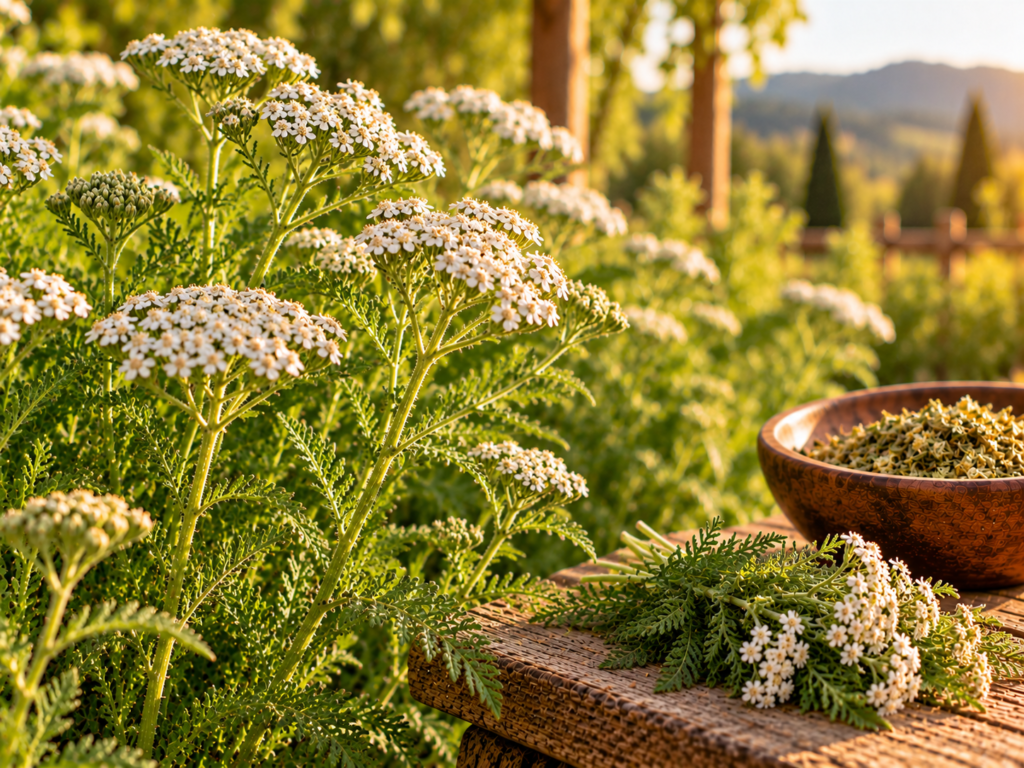
Yarrow
A traditional diaphoretic herb often included in warming herbal preparations during feverish colds and seasonal discomfort.
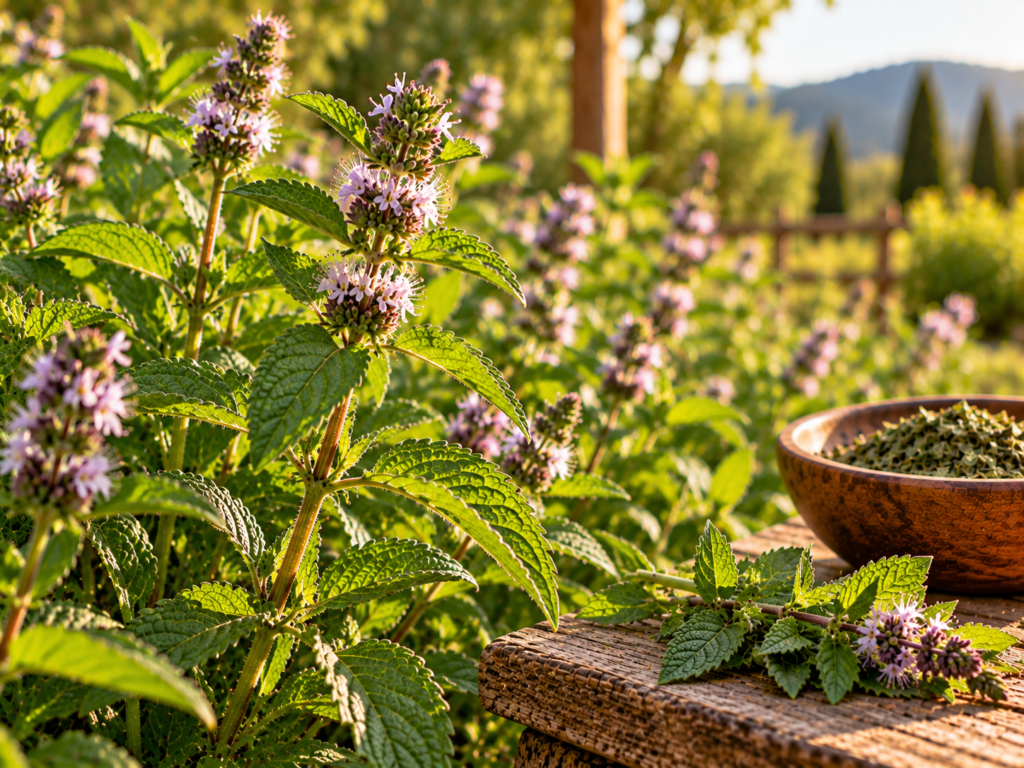
Peppermint
A cooling aromatic traditionally used for digestion and commonly paired with other herbs in teas during seasonal illness and everyday discomfort.
Related Rooted Traveler Co. Guides
Want to go deeper? These Rooted Traveler Co. guides explore practical ways to support seasonal wellness, prepare herbs for the colder months, and build a useful home herbal toolkit.
Respiratory, Sinus + Throat Support
Explore herbs and simple preparations traditionally used for respiratory comfort, sinus support, and soothing the throat during seasonal discomfort.
Herbal First Aid Kit
Build a practical home herbal kit with versatile herbs and preparations for common everyday needs and seasonal situations.
Autumn Herbal Wellness Guide
Ease into the colder months with warming herbs, seasonal preparations, and simple practices for supporting everyday wellness through autumn.
Sources + Further Reading
This profile draws on traditional herbal practice alongside contemporary regulatory and scientific literature. Where clinical evidence is limited, traditional use is identified as such rather than presented as established medical effectiveness.
European Medicines Agency (EMA)
European Union herbal monograph on Sambucus nigra L., flos. The EMA recognizes elderflower as a traditional herbal medicine for relief of early symptoms of the common cold, while noting that the evidence is based on long-standing traditional use rather than adequate clinical trials.
European Medicines Agency (EMA)
National Center for Complementary and Integrative Health (NCCIH)
Elderberry: Usefulness and Safety. Reviews the limited human research on elderberry for colds, influenza, and other upper-respiratory infections and provides important safety information about raw or unripe berries and other parts of the plant.
National Center for Complementary and Integrative Health (NCCIH)
European Medicines Agency (EMA) — Elderberry Fruit
Sambucus nigra L., fructus. The EMA separately assessed elderberry fruit but did not adopt an EU herbal monograph for the fruit. That distinction is useful on our page because we’re deliberately discussing both the berries and flowers, and the evidence/regulatory status isn’t identical for the two.
EMA Elderberry Fruit Assessment