

HERB PROFILE
Feverfew
Tanacetum parthenium
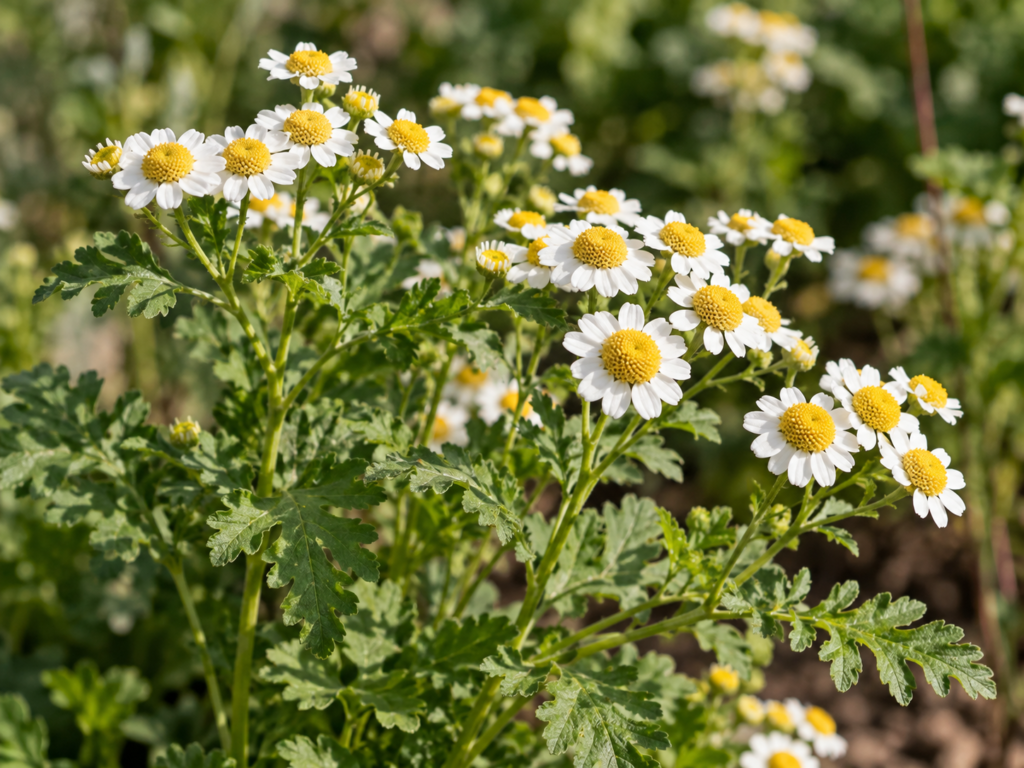
Feverfew is an aromatic perennial with a long history in European herbal traditions. Its leaves and flowering aerial parts are especially associated with traditional headache support and have also become the focus of modern research into migraine prevention.
Bitter • Nervine • Anti-inflammatory
Family: Asteraceae · Parts used: Leaves + flowering aerial parts
At A Glance
Key Actions
Bitter · Nervine · Anti-inflammatory
Best Known For
Migraine prevention support · Headache support · Traditional nervous-system use
Common Preparations
Capsules · Tincture · Tea · Fresh leaf
Traditional Uses + Modern Context
Feverfew has a long history in European herbal traditions, where the leaves and flowering aerial parts were used for headaches, fever, and various inflammatory complaints. Over time, the herb became particularly associated with recurring headaches and migraine-type patterns.
Modern research has focused primarily on feverfew for migraine prevention. Clinical studies have produced mixed results, although some evidence suggests that certain standardized feverfew preparations may modestly reduce migraine frequency in some people. The evidence does not support feverfew as an immediate treatment for an active headache, and its modern use is better understood as preventive rather than fast-acting relief.
Traditionally Used For
Recurring headaches + migraine patterns
Long-term headache support
Fever + traditional inflammatory complaints
Bitter herbal preparations
Herbal Actions
Feverfew’s traditional actions reflect its long-standing use for recurring headache patterns, while modern interest has focused largely on constituents involved in inflammatory and neurological pathways.
Bitter
Feverfew has a distinctly bitter taste and has traditionally been used as a bitter herb, particularly in preparations intended to support digestion and general herbal tonic use.
Nervine
Feverfew has traditionally been associated with nervous-system complaints, especially recurring headaches. Today, its nervine role is most closely connected with its long-standing use in migraine-type patterns.
Anti-inflammatory
Feverfew contains compounds, particularly parthenolide, that have been studied for their effects on inflammatory pathways. These findings help explain modern interest in the herb, although laboratory mechanisms should not be interpreted as proof that feverfew treats inflammatory conditions.
Explore by Need
Looking for a practical way to understand feverfew? Start with the kind of support you’re looking for, keeping in mind that feverfew is generally associated with regular preventive use rather than immediate headache relief.
Recurring Migraine Patterns
Feverfew is best known for its use in recurring migraine-type patterns. Modern research has focused primarily on whether regular use may help reduce migraine frequency in some people.
Long-Term Headache Support
Rather than being used as a quick remedy once a headache begins, feverfew is traditionally and commonly used over time as part of a preventive approach to recurring headaches.
Digestive + Bitter Support
Feverfew’s pronounced bitterness also connects it with traditional digestive use, where bitter herbs have been used around meals to support appetite and digestion.
Preparations
Feverfew can be prepared in several ways, although modern migraine research has focused mainly on standardized preparations taken regularly rather than occasional use.
Capsules
Dried feverfew is commonly available in capsules, including standardized products designed to provide a consistent amount of the herb’s active constituents. This is one of the preparations most closely associated with modern migraine research.
Tincture
Feverfew can be extracted in alcohol to create a concentrated liquid preparation. Its strong bitterness means tinctures offer a convenient alternative to drinking the herb as tea.
Tea
Dried feverfew leaves and flowering aerial parts can be steeped in hot water, although the resulting tea is distinctly bitter. It has a longer history in traditional herbal practice than in modern migraine research.
Fresh Leaf
Fresh feverfew leaves have historically been used directly, but they can irritate the mouth and cause sores in some people. Prepared forms are generally more practical for regular use.
Growing Feverfew
Feverfew is a hardy, aromatic perennial that is easy to grow in garden beds and borders. Once established, it can flower generously through the summer and often self-seeds, returning year after year with little attention.
SUN
Light
Feverfew grows best in full sun but tolerates partial shade. Good light encourages compact growth and abundant flowering.
CARE
Soil + Water
Plant in reasonably fertile, well-drained soil. Water regularly while young plants establish, then allow the soil surface to dry somewhat between waterings; established feverfew is fairly tolerant of short dry periods.
PLANTING
Sowing + Growth
Sow the small seeds on the soil surface in spring, pressing them gently into place rather than burying them deeply because light helps germination. Feverfew readily self-seeds once established, so remove spent flower heads if you want to limit its spread.
Harvesting and Drying
Feverfew is harvested primarily for its leaves and flowering aerial parts. Gathering the herb during active flowering provides abundant leafy growth and flower heads for fresh or dried preparations.
When to Harvest
Harvest feverfew during the flowering period, preferably on a dry day after morning moisture has evaporated. Leaves can also be gathered earlier in the growing season as needed.
What to Gather
Cut the upper leafy and flowering portions of healthy plants, leaving enough lower growth for the plant to continue developing. Choose clean, undamaged material free from disease or insect damage.
Drying + Storage
Bundle small stems loosely or spread the harvested aerial parts in a thin layer with good airflow. Dry away from direct sunlight until completely crisp, then store in an airtight container away from heat, moisture, and light.
Safety + Considerations
Feverfew is generally used regularly rather than occasionally, making its safety considerations particularly important. Pregnancy, medication interactions, and reactions to the fresh herb deserve special attention.
Pregnancy + Breastfeeding
Feverfew should be avoided during pregnancy because of concerns surrounding its traditional uterine effects. Safety during breastfeeding has not been adequately established, so medicinal use is best avoided unless guided by a qualified healthcare professional.
Medications + Bleeding
Feverfew may affect platelet activity. People taking anticoagulant or antiplatelet medications, those with bleeding disorders, or anyone preparing for surgery should seek professional guidance before using feverfew regularly.
Allergy + Mouth Irritation
People sensitive to plants in the Asteraceae family may also react to feverfew. Chewing fresh leaves can irritate the mouth and may cause sores, which is one reason prepared forms are generally preferred.
This page is educational and is not a substitute for individualized medical advice.
Keep Exploring
Feverfew connects naturally with other herbs traditionally used for headache patterns, nervous-system support, and the tension or digestive discomfort that can accompany headaches.
Peppermint
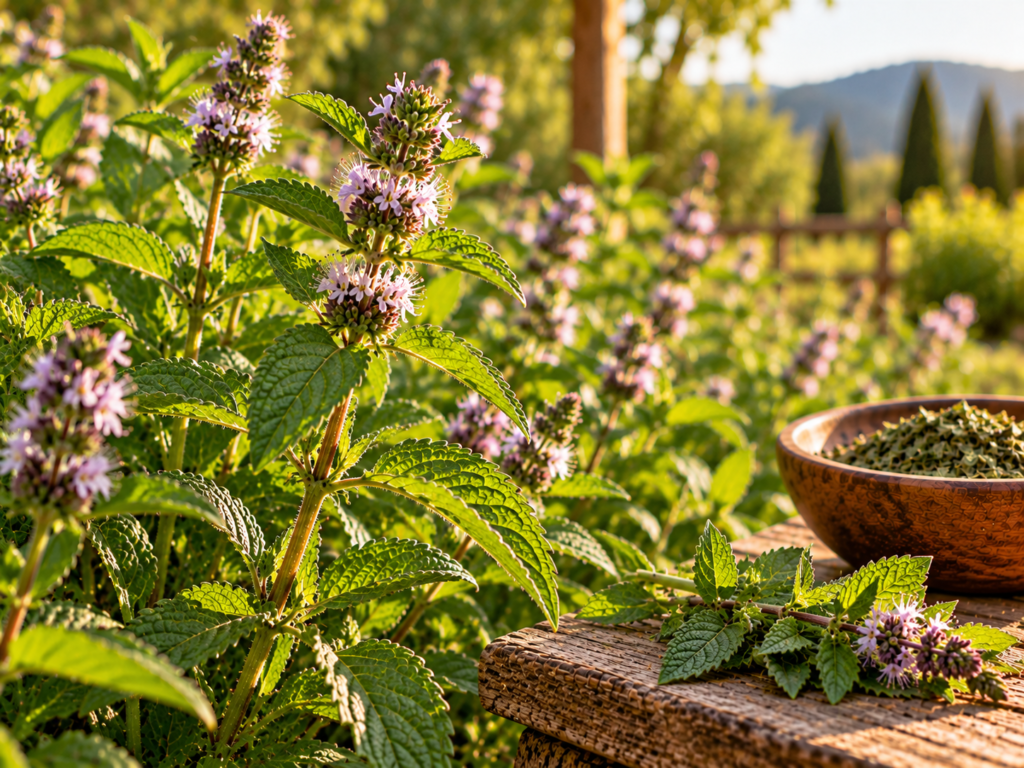
A cooling aromatic herb traditionally used for digestive discomfort and tension, with topical peppermint preparations also studied for certain headache patterns.

American Skullcap
A gentle nervine traditionally used for nervous tension, restlessness, and helping the body settle during periods of stress.
Chamomile
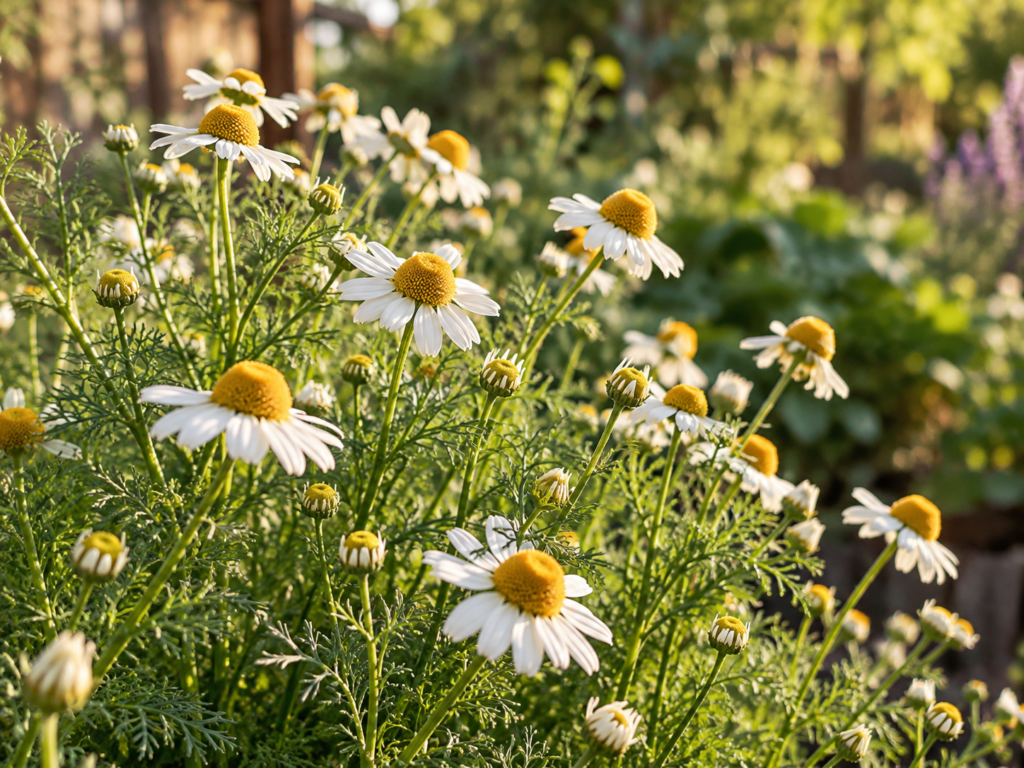
A gentle aromatic herb with a long tradition of use for calming both skin and nervous tension.
Related Rooted Traveler Co. Guides
Want to go deeper? These Rooted Traveler Co. guides build on feverfew’s connection with recurring headache patterns, nervous-system support, and practical herbal approaches to headache care.
Herbal Support for Headaches
Explore common headache patterns, eight supportive herbs—including feverfew—and practical ways to choose herbal support based on the clues that accompany each headache.
Herbal Stress & Anxiety Guide
Explore calming herbs, nervines, and practical preparations traditionally used to support the nervous system during periods of stress, tension, and overwhelm.
Herbal Sleep & Nervous System Calm Guide
Learn about herbs and simple preparations traditionally used to encourage relaxation, support an evening wind-down, and help settle a busy nervous system.
Sources + Further Reading
Want to dig deeper? These sources offer additional information on feverfew’s traditional use, modern migraine research, active constituents, and important safety considerations.
European Medicines Agency (EMA)
Tanaceti parthenii herba — Feverfew Herb.
An official European herbal monograph covering feverfew’s traditional use, preparation, safety considerations, and its use in migraine prevention.
European Medicines Agency — Feverfew
Wider B, Pittler MH, Ernst E.
Feverfew for Preventing Migraine.
Cochrane Database of Systematic Reviews. 2015.
A systematic review evaluating clinical trials of feverfew for migraine prevention. The evidence suggests possible benefit, but results across studies are inconsistent and the overall evidence remains limited.
PubMed — Wider, Pittler & Ernst 2015
National Center for Complementary and Integrative Health (NCCIH)
Feverfew.
A practical evidence and safety overview covering feverfew’s use for migraine, the limitations of current research, possible side effects, pregnancy precautions, and potential interactions with medications.