

HERB PROFILE
Fennel
Foeniculum vulgare Mill.
An aromatic herb with feathery leaves, golden flower clusters, and sweet, anise-scented fruits. Fennel has a long tradition in cooking and herbal preparations, particularly after-meal teas for digestive comfort.
Carminative • Aromatic • Digestive Support
Family: Apiaceae · Parts used: Fruits (commonly called seeds), leaves, bulb

At A Glance
Key Actions
Carminative · Aromatic · Antispasmodic
Best Known For
Gas + bloating · After-meal digestive comfort · Culinary use
Common Preparations
Seed infusion · Culinary spice · Herbal blends · Liquid extract
Traditional Uses + Modern Context
Fennel has a long history in European and Mediterranean cooking and herbal traditions. Its aromatic fruits, commonly called fennel seeds, have traditionally been used after meals to ease gas, bloating, and feelings of digestive fullness. Fennel is also a familiar culinary herb, valued for its sweet, anise-like flavour.
Modern research has explored fennel’s aromatic compounds, including anethole, and their effects on digestive function. Laboratory and animal studies suggest possible effects on intestinal smooth muscle, while human clinical evidence for digestive symptoms remains limited. Fennel is best understood as a traditional digestive herb with a long history of use rather than a proven treatment for digestive disorders.
Traditionally Used For
Gas + bloating
Digestive fullness
After-meal herbal teas
Aromatic culinary preparations
Herbal Actions
Fennel’s traditional herbal actions help explain its long-standing place in digestive teas and culinary preparations. These terms describe how herbalists understand the aromatic qualities of fennel fruits and their relationship to digestive comfort.
Carminative
Traditionally used to ease gas, bloating, and feelings of digestive fullness. Fennel fruits are among the familiar aromatic ingredients in after-meal herbal teas.
Aromatic
Rich in fragrant volatile compounds that give fennel its distinctive sweet, anise-like scent and flavour. These qualities make it popular in both herbal preparations and cooking.
Antispasmodic
Traditionally associated with easing mild digestive cramping and intestinal tension. This action is often discussed alongside fennel’s carminative properties.
Explore by Need
Looking for practical ways to work with fennel? Explore the digestive concerns traditionally associated with this aromatic herb, then discover the preparations and everyday approaches that fit.
Gas & Bloating
Fennel fruits are traditionally used in after-meal teas for gas, bloating, and trapped wind. Their sweet, aromatic flavour makes them a familiar ingredient in digestive herbal blends.
After-Meal Digestive Comfort
Fennel is often enjoyed after eating, particularly when a meal leaves a feeling of fullness or digestive discomfort. The fruits can be lightly crushed and steeped to make a fragrant infusion.
Digestive Cramping
Fennel has traditionally been used when gas and bloating occur alongside mild digestive cramping. Its carminative and antispasmodic qualities help explain its place in traditional digestive preparations.
Preparations
Fennel is most commonly prepared using its aromatic fruits, often called seeds. They can be gently crushed and steeped as an infusion, incorporated into cooking, or used in traditional herbal blends. The preparation method depends on whether fennel is being used for everyday culinary enjoyment or more concentrated herbal preparations.
Infusion
Lightly crushed fennel fruits can be steeped in hot water to make a fragrant, naturally sweet herbal tea. This is one of the most familiar traditional preparations for after-meal digestive comfort.
Culinary Preparations
Fennel fruits are commonly used as an aromatic spice in breads, soups, roasted vegetables, and savoury dishes. The fresh leaves and swollen bulbs of Florence fennel are also valued in everyday cooking.
Digestive Herbal Blends
Fennel fruits are often combined with other aromatic herbs, such as peppermint or chamomile, in traditional digestive tea blends. These combinations bring together complementary flavours and herbal qualities.
Tinctures & Liquid Extracts
Fennel fruits can also be prepared as concentrated liquid extracts, either individually or alongside other digestive herbs. These preparations differ from simple infusions in their concentration and extraction method.
Growing Fennel
Fennel is an aromatic herb that thrives in sunny gardens with well-drained soil. Common fennel is grown for its feathery foliage and fragrant fruits, while Florence fennel is cultivated for its swollen, edible bulb. Both appreciate warmth, consistent moisture while establishing, and enough space to develop.
SUN
Light
Fennel grows best in full sun, ideally receiving at least six hours of direct light daily. A warm, open location encourages healthy growth, aromatic foliage, and good flower development.
CARE
Soil + Water
Plant fennel in well-drained soil and water regularly while it establishes. Mature common fennel tolerates some dryness, but Florence fennel needs steadier moisture to develop tender bulbs without excessive stress.
PLANTING
Sowing + Growth
Sow fennel directly outdoors after the danger of hard frost has passed. Common fennel may return as a short-lived perennial in suitable climates and can self-seed readily. Florence fennel is usually grown as an annual crop and may bolt during hot weather or long summer days.
Harvesting and Drying
Fennel offers several useful harvests throughout the growing season. Its feathery leaves can be gathered fresh, while its aromatic fruits are collected as the flower heads mature. Careful drying and storage help preserve the distinctive fragrance and flavour of fennel fruits for teas, culinary use, and herbal preparations.
When to Harvest
Harvest fennel leaves while they are fresh and green, preferably before flowering for the most tender growth. For the fruits, wait until the flower umbels begin turning from green to yellowish-brown and the fruits are firm and aromatic. Gather the heads before the ripe fruits begin falling naturally.
What to Gather
For traditional digestive preparations, collect the mature fruits, commonly called fennel seeds. Cut entire seed-bearing umbels with a short length of stem attached. The feathery leaves can also be harvested for cooking, while Florence fennel bulbs are gathered when swollen and tender.
Drying + Storage
Hang harvested fennel umbels upside down over a clean tray or inside a breathable paper bag in a dry, airy location away from direct sunlight. Once thoroughly dry, separate the fruits from the stems and store them whole in an airtight container away from heat, moisture, and light.
Safety + Considerations
Fennel is a familiar culinary herb with a long tradition of digestive use, but its fruits, concentrated extracts, and essential oil are not interchangeable. A few distinctions are worth understanding.
Apiaceae Sensitivity
Fennel belongs to the Apiaceae family, alongside celery, carrot, anise, and coriander. People with allergies to fennel or related plants may experience reactions. Avoid fennel preparations if you have a known sensitivity, and discontinue use if an allergic reaction develops.
Essential Oil + Concentrated Extracts
Fennel essential oil is much more concentrated than culinary fennel or a traditional seed infusion. It contains constituents such as estragole, which raise safety concerns at higher exposures. Essential oil should not be taken internally as a home remedy, particularly by children.
Pregnancy, Breastfeeding + Children
Culinary amounts of fennel are different from medicinal preparations. During pregnancy or breastfeeding, and when preparing herbs for infants or young children, concentrated fennel products and medicinal-strength preparations require particular caution. Do not assume that traditional use establishes safety for these groups.
This page is educational and is not a substitute for individualized medical advice.
Keep Exploring
Fennel shares a long tradition of digestive use with several other aromatic herbs. Explore these related plants to discover their different qualities, preparations, and roles in everyday herbal traditions.
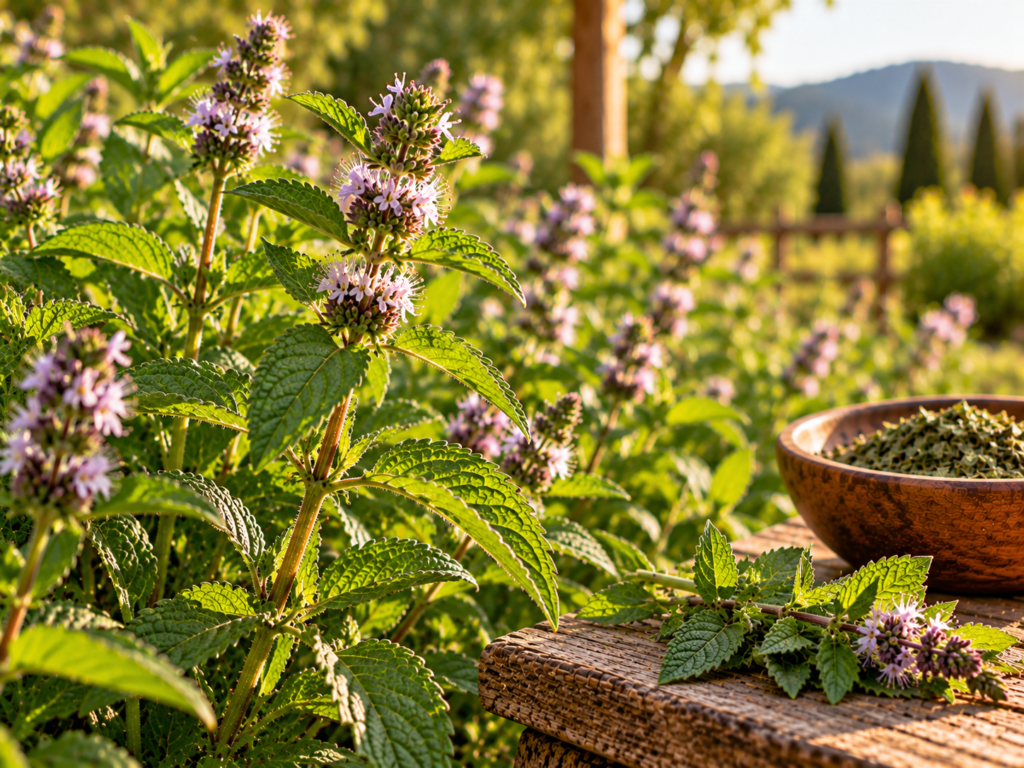
Peppermint
A refreshing, aromatic herb traditionally used in after-meal teas for digestive gas, bloating, and feelings of fullness.
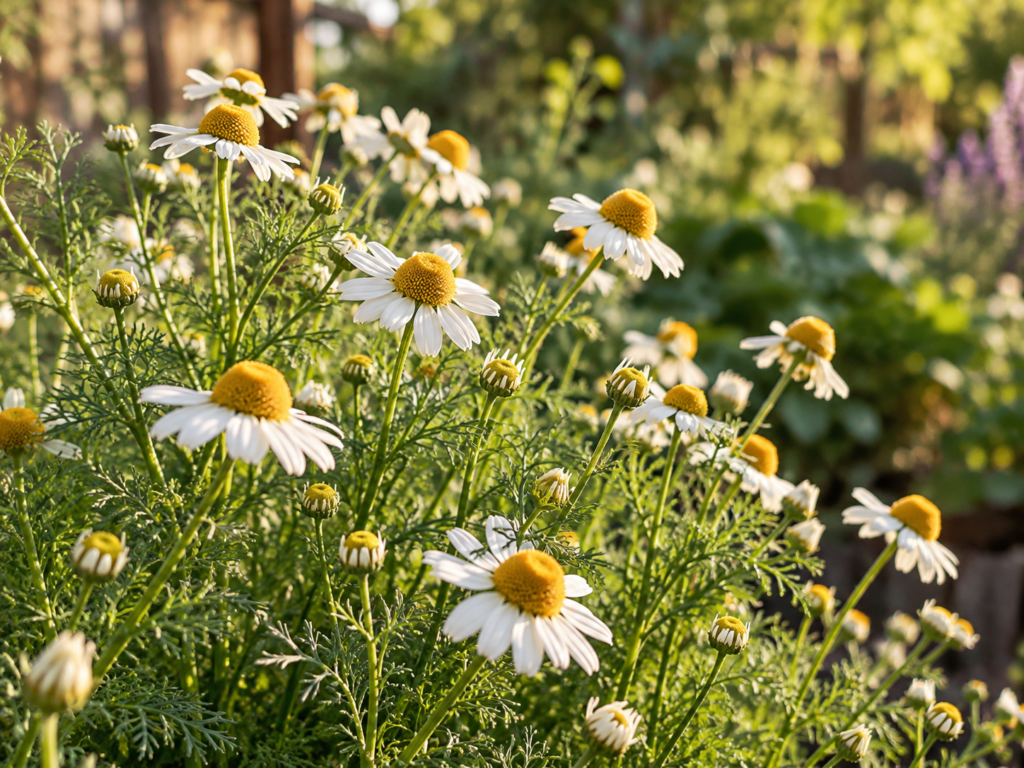
Chamomile
A gentle, aromatic flower traditionally used in digestive teas, particularly when stomach discomfort accompanies nervous tension.
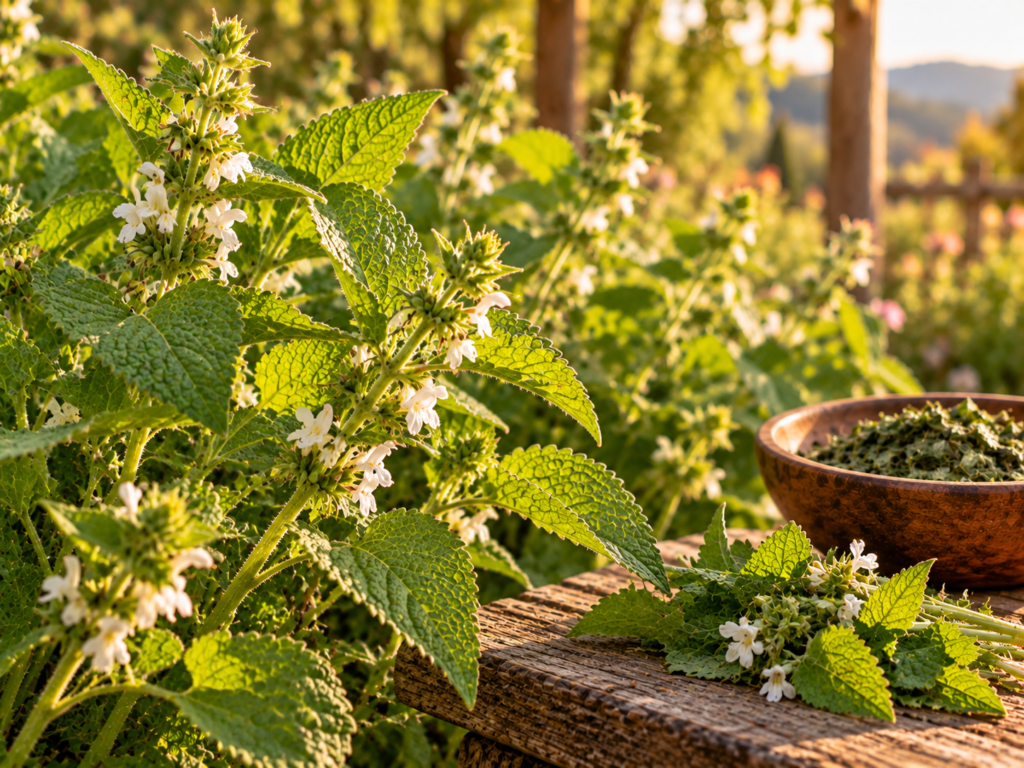
Lemon Balm
A lemon-scented herb traditionally enjoyed in teas for mild digestive discomfort and nervous tension.
Related Rooted Traveler Co. Guides
Explore practical herbal traditions for digestive comfort, from familiar teas for gas and bloating to understanding digestive bitters and creating your own herbal preparations.
Herbal Support for Digestion, Gas & Bloating
Explore familiar digestive herbs, traditional preparations, and practical approaches to gas, bloating, and everyday digestive comfort.
Digestive Bitters DIY Guide
Learn how digestive bitters are traditionally prepared, why bitter herbs have a place in herbal practice, and how they differ from aromatic carminatives like fennel.
Simple Herb Preservation for Beginners
Discover practical ways to harvest, dry, and store homegrown herbs, including aromatic seeds and leaves, so you can enjoy your garden’s harvest beyond the growing season.
Sources + Further Reading
This profile draws on traditional herbal practice alongside contemporary regulatory and scientific literature. Fennel has a long history of culinary and digestive use, particularly its aromatic fruits. The references below provide further information about its traditional applications, botanical identity, and safety considerations.
European Medicines Agency (EMA)
Foeniculi dulcis fructus — European Union herbal monograph and assessment documents for sweet fennel fruit. The EMA recognizes traditional medicinal use for mild spasmodic gastrointestinal complaints, including bloating and flatulence. The assessment also addresses preparation-specific precautions and limitations of the evidence. European Medicines Agency (EMA)
Badgujar SB, Patel VV & Bandivdekar AH (2014)
Foeniculum vulgare Mill: A Review of Its Botany, Phytochemistry, Pharmacology, Contemporary Application, and Toxicology. BioMed Research International, 2014, Article 842674. This review examines fennel’s traditional applications, botanical characteristics, active constituents, pharmacological research, and toxicology, while identifying gaps between traditional uses and clinical evidence. Read the Research
Royal Botanic Gardens, Kew
Foeniculum vulgare Mill. — Plants of the World Online. This botanical reference confirms fennel’s accepted scientific name, its classification in the Apiaceae family, and its geographic distribution. Kew Science — Plants of the World Online