

HERBAL ACTIONS A–Z
Carminative
kar-MIN-uh-tiv
A carminative is an herb traditionally used to help ease digestive gas, bloating, and related discomfort. Carminative herbs are commonly aromatic plants that feature in herbal traditions focused on digestive comfort.
Carminatives don’t all work in exactly the same way. Some are traditionally used after meals, others are included in warming digestive teas, and many have overlapping actions such as antispasmodic or bitter properties.
UNDERSTANDING THE ACTION
In Plain English
Think of carminative as a traditional term for herbs used when digestion feels uncomfortable because of gas, bloating, or trapped wind. Many carminatives contain aromatic compounds that give the plants their distinctive scents and flavours.
Carminative herbs are common in after-meal teas, cooking, and traditional digestive blends. Familiar examples include peppermint, fennel, ginger, and chamomile.
THE KEY DISTINCTION
Carminative ≠ Digestive Bitter
Carminatives are traditionally associated with easing gas and bloating, while digestive bitters are used to stimulate digestive activity through their bitter taste. Some herbs have both actions, but the terms describe different traditional approaches.
HOW CARMINATIVE DIFFER
Types of Carminatives
Carminative herbs are often grouped by their aromatic qualities and traditional uses. The following descriptions highlight three overlapping approaches to digestive comfort rather than strict botanical categories.
01 · AROMATIC COMFORT
Aromatic Carminatives
Fragrant herbs traditionally used for gas and bloating, often enjoyed as after-meal teas or added to food.
Examples: Peppermint · Fennel · Anise
02 · WARMING DIGESTION
Warming Carminatives
Pungent, warming herbs traditionally associated with digestive comfort, particularly when feelings of fullness or sluggish digestion are present.
Examples: Ginger · Cardamom · Cinnamon
03 · GENTLE SUPPORT
Gentle & Soothing Carminatives
Herbs traditionally included in gentle digestive teas, especially when bloating or gas occurs alongside a sense of tension or discomfort.
Examples: Chamomile · Lemon Balm · Fennel
MEET THE PLANTS
Herbs Associated With Carminative Action
Many familiar culinary and medicinal herbs have a long history of use for digestive comfort. Each brings its own aromatic qualities, traditional applications, and considerations.
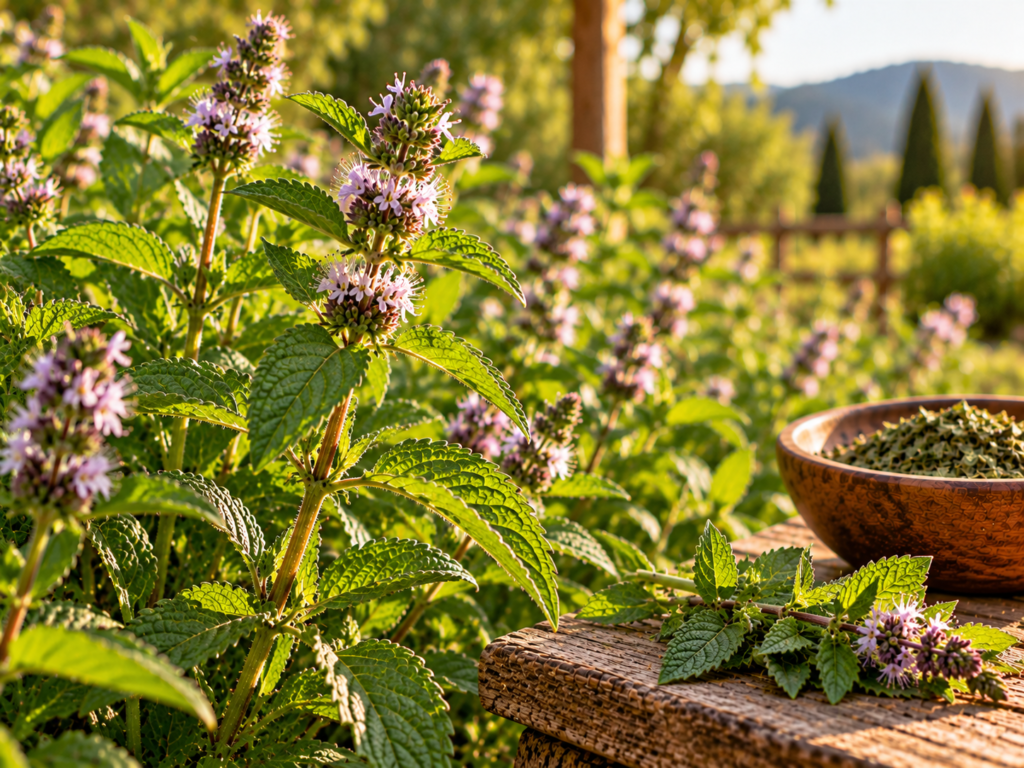
Peppermint
A cooling, aromatic herb traditionally used for digestive gas, bloating, and discomfort.
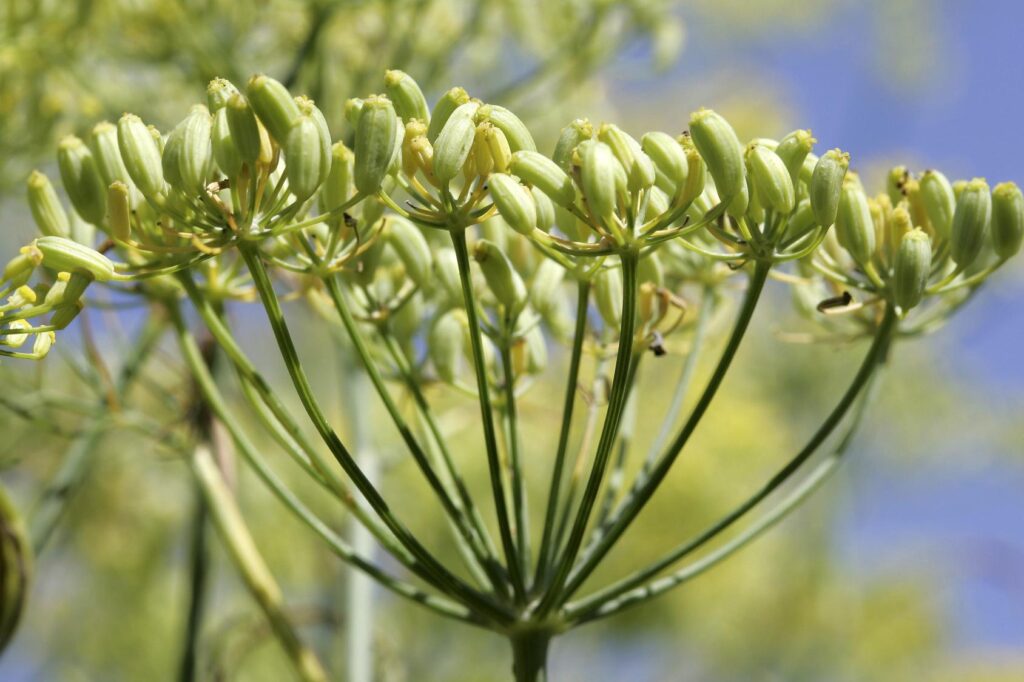
Fennel
Aromatic seeds traditionally used in after-meal teas to ease gas and feelings of fullness.
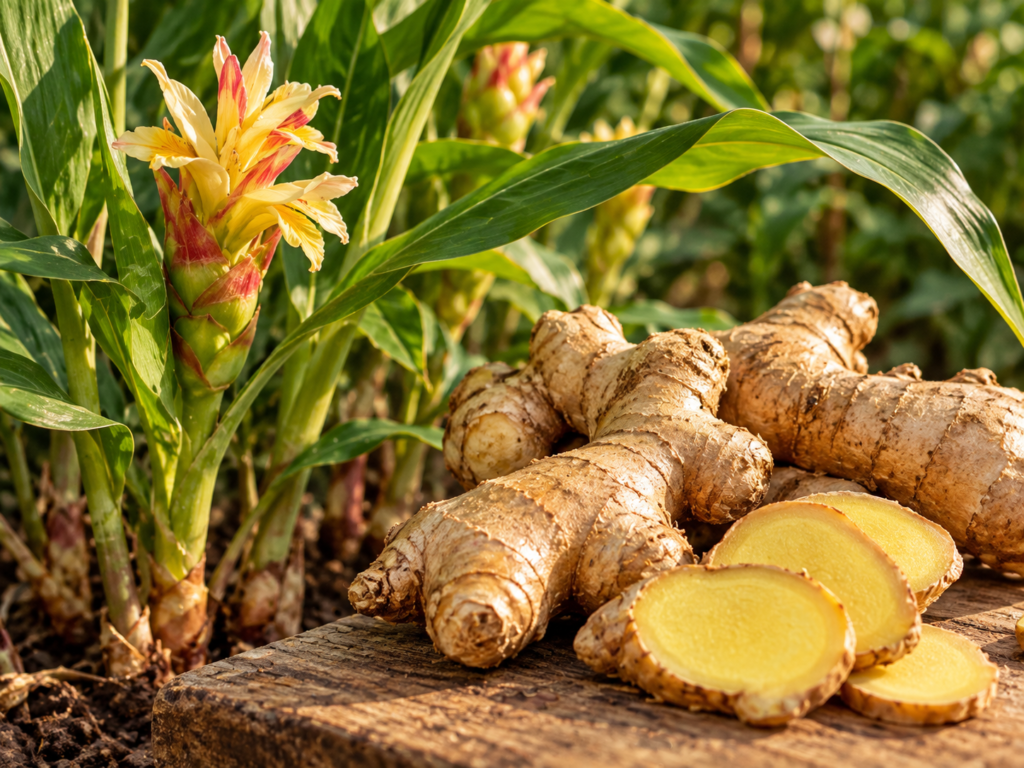
Ginger
A warming, pungent rhizome traditionally used for digestive discomfort and nausea.

Chamomile
A gentle, aromatic flower traditionally used when digestive discomfort accompanies tension.
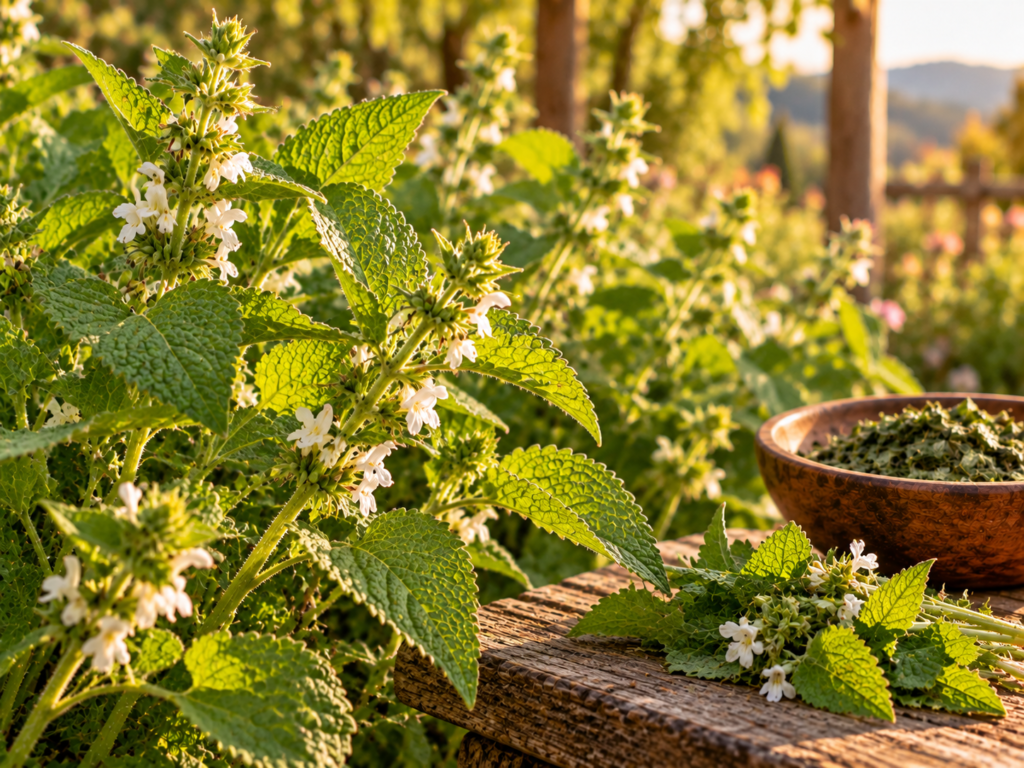
Lemon Balm
A lemon-scented herb traditionally used for mild digestive discomfort and nervous tension.
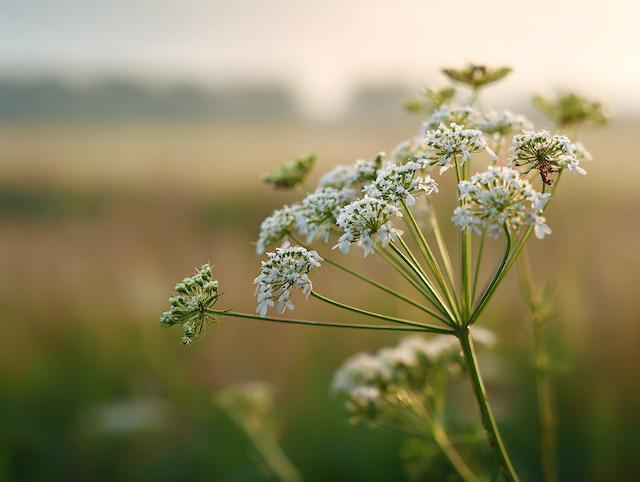
Anise
Sweetly aromatic seeds traditionally used in digestive teas for gas and bloating.
EXPLORE BY NEED
Where Carminatives Fit Into Everyday Life
Carminative herbs have long been part of everyday digestive traditions, from fragrant teas after meals to familiar spices used in cooking. Their place in herbalism is often simple and practical: supporting digestive comfort through aromatic plants.
01 · DIGESTIVE COMFORT
Gas, Bloating & Digestive Discomfort
Carminatives are traditionally used when gas, fullness, or bloating makes digestion uncomfortable. Peppermint, fennel, and chamomile are familiar examples found in digestive tea blends.
02 · EVERYDAY RITUALS
After-Meal Herbal Traditions
Across many herbal traditions, aromatic seeds, leaves, and roots are prepared as teas or incorporated into food after meals. Fennel, anise, ginger, and peppermint offer different flavours and preparation possibilities.
PREPARING CARMINATIVE HERBS
Common Herbal Preparations
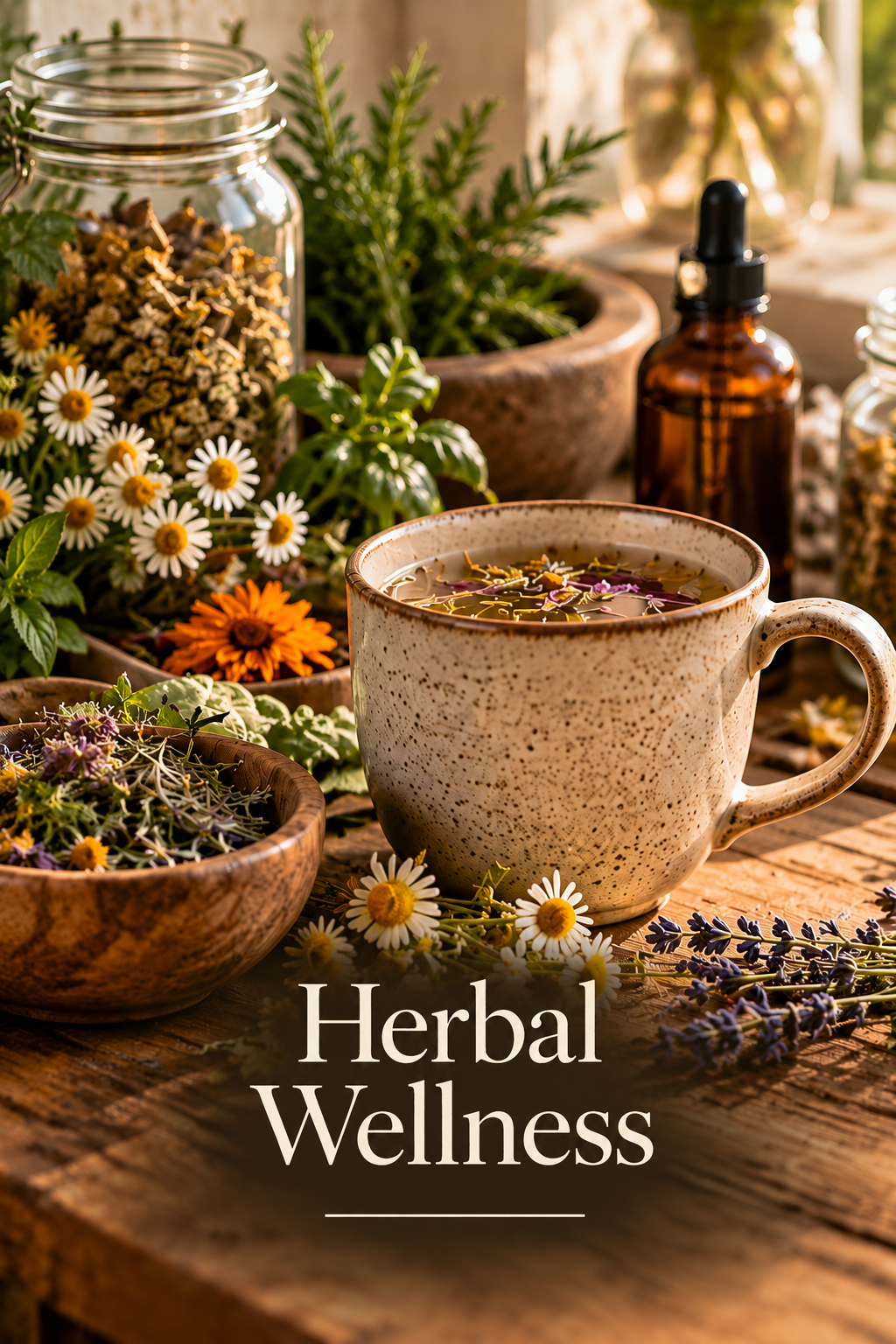
Carminative herbs appear in a variety of traditional preparations, from simple after-meal teas to aromatic culinary blends. The preparation method depends on the plant part being used, the herb’s characteristics, and the intended purpose.
01
Teas & Infusions
One of the most familiar ways to prepare carminative herbs. Peppermint leaves and chamomile leaves or flowers are typically steeped in hot water, while fennel and anise seeds are often lightly crushed before steeping to release their aromatic compounds.
02
Culinary Preparations
Many carminatives are familiar kitchen herbs and spices. Ginger, fennel, anise, and cardamom can be incorporated into cooking, offering distinctive flavours while continuing a long tradition of using aromatic plants alongside meals.
03
Tinctures & Liquid Extracts
Carminative herbs are also prepared as concentrated liquid extracts, either individually or in traditional digestive formulas. Their composition and strength vary with the herb, extraction method, and product.
RELATED HERBAL ACTIONS
How Carminatives Compare to Other Herbal Actions
Herbal actions often overlap. Understanding how carminatives differ from other digestive-focused actions helps explain why the same herb may appear in several traditional preparations.
01 · DIGESTIVE STIMULATION
Carminatives vs. Bitters
Carminatives are traditionally associated with easing gas and bloating, while bitters are defined by their bitter taste and their ability to stimulate digestive responses. Some herbs combine both actions.
02 · MUSCLE COMFORT
Carminatives vs. Antispasmodics
Carminatives focus on gas-related digestive discomfort. Antispasmodics are associated with easing involuntary muscle spasms, including cramping in the digestive tract. Peppermint is an example of an herb associated with both actions.
03 · SOOTHING TISSUES
Carminatives vs. Demulcents
Carminatives are commonly aromatic herbs used for gas and bloating. Demulcents contain mucilage that forms a soothing, slippery preparation when mixed with water, traditionally used to comfort irritated tissues.
CONTINUE EXPLORING
Explore Related Herbal Actions
Carminatives often share properties with other digestive-focused herbs. Explore these related actions to see how their traditional uses differ and where they overlap.
USING HERBS THOUGHTFULLY
Safety & Considerations
Carminative herbs range from familiar culinary spices to concentrated herbal extracts. A peppermint tea, a preparation made from fennel seeds, and a ginger tincture are not interchangeable. Each has its own characteristics, traditional uses, and precautions.
Different Herbs, Different Considerations
The safety of a carminative preparation depends on the individual herb, the part of the plant used, and how it is prepared. An everyday culinary amount may have different considerations from a concentrated extract or essential oil.
For example, peppermint may aggravate acid reflux in some people, while chamomile can cause reactions in those sensitive to certain plants in the daisy family. Essential oils of aromatic herbs are considerably more concentrated than teas or culinary preparations. Individual herb profiles offer more specific guidance than the carminative label alone.
BEFORE CHOOSING AN HERB
Look Beyond the Label
Check the individual herb’s identity, plant part, preparation, and relevant precautions. Pregnancy, medications, allergies, and existing health conditions may change which preparations are appropriate.
Start with the individual herb profile, not the action category alone.
FROM THE ROOTED LIBRARY
Continue Learning
Explore practical herbal traditions for digestive comfort, including familiar plants used for gas, bloating, and everyday digestive support.
FEATURED HERBAL GUIDE
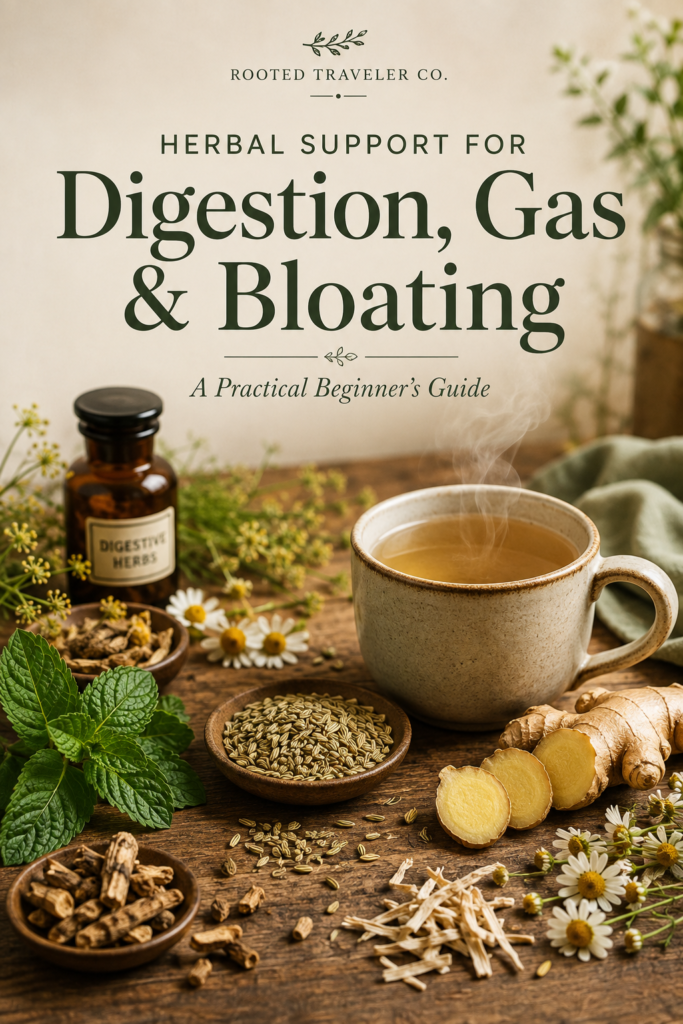
Herbal Support for Digestion, Gas & Bloating
Explore familiar digestive herbs, traditional preparations, and practical approaches to gas and bloating. This digital guide offers a deeper look at incorporating herbs into everyday digestive routines, with an emphasis on understanding individual plants and their uses.
FURTHER READING
Sources & References
Carminative is a traditional herbal action describing plants used to support digestive comfort, particularly in relation to gas and bloating. For more detailed information about individual herbs, their preparations, documented uses, and precautions, consult established herbal monographs and botanical references.
European Medicines Agency (EMA) — Herbal Monographs
NCCIH — Herbs at a Glance
Kew Science — Plants of the World Online
Traditional herbal actions describe patterns of plant use rather than standardized medical categories. Individual herb profiles provide more specific information about botanical identity, preparation, and relevant precautions.