

HERB PROFILE
Comfrey
Symphytum officinale
Comfrey is a robust perennial with a long history of use in traditional herbalism, particularly in topical preparations. Its leaves and roots have traditionally been valued for soothing and supporting minor irritated or damaged skin and are commonly prepared as infused oils, salves, and poultices.
Vulnerary • Demulcent • Astringent
Family: Boraginaceae · Parts used: Leaves + root

At A Glance
Key Actions
Vulnerary · Demulcent · Astringent
Best Known For
Topical skin support · Minor irritation · Traditional wound care
Common Preparations
Infused oil · Salve · Poultice · Compress
Traditional Uses + Modern Context
Comfrey has a long history in European herbal traditions as a topical herb for minor skin injuries, bruises, sprains, and irritated tissues. The leaves and roots have commonly been prepared as poultices, compresses, infused oils, and salves for external use.
Modern research has investigated comfrey preparations for several topical applications, including minor injuries and musculoskeletal discomfort, with some clinical studies reporting promising results. However, comfrey also contains pyrrolizidine alkaloids, compounds associated with liver toxicity when taken internally. For this reason, modern herbal use generally emphasizes appropriate external preparations rather than internal use.
Traditionally Used For
Minor skin irritation + damaged skin
Bruises + minor injuries
Sprains + everyday aches
Poultices + topical preparations
Herbal Actions
Comfrey’s traditional actions reflect its long-standing use as a topical herb for soothing, protecting, and supporting irritated or damaged tissues.
Vulnerary
Comfrey is traditionally considered a vulnerary herb and has long been used externally in poultices, infused oils, and salves intended to support minor damaged or irritated skin.
Demulcent
The mucilaginous constituents in comfrey leaves and roots give the herb a soothing quality, traditionally valued for calming dry, irritated, or uncomfortable tissues.
Astringent
Comfrey also has mild astringent qualities that complement its soothing properties and have traditionally contributed to its use in topical preparations for minor skin concerns.
Explore by Need
Looking for a practical way to use comfrey? Start with the kind of topical support you’re looking for, then choose a preparation that fits the situation.
Minor Skin Irritation
Comfrey is traditionally used externally to soothe minor irritated or damaged skin, often in simple preparations such as infused oils, salves, or compresses.
Bruises + Minor Injuries
Topical comfrey preparations have traditionally been used for bruises and minor everyday injuries where soothing tissue support is desired.
Sprains + Everyday Aches
Comfrey has a long history of external use for minor sprains, strains, and everyday musculoskeletal discomfort, commonly as a poultice, compress, or prepared topical product.
Preparations
Comfrey is best suited to topical preparations made from the leaves or root. The preparation you choose depends on whether you want something for immediate use or a convenient remedy to keep on hand.
Infused Oil
Dried comfrey leaves or root can be infused into a carrier oil to create a rich topical preparation. The finished oil can be used on its own or as the base for salves and balms.
Salve
Comfrey-infused oil can be combined with wax to make an easy-to-store salve for topical use on minor irritated skin, bruises, and everyday aches.
Poultice
Fresh or rehydrated comfrey leaves can be applied externally as a poultice, a traditional preparation used for minor injuries, bruises, sprains, and irritated tissues.
Compress
A strong comfrey infusion or decoction can be cooled, applied to a clean cloth, and used externally as a compress over areas where soothing topical support is desired.
Growing Comfrey
Comfrey is a vigorous, long-lived perennial that is easy to grow once established. Its deep root system makes it resilient, and mature plants can produce abundant leafy growth throughout the growing season.
SUN
Light
Comfrey grows well in full sun to partial shade. It tolerates some shade, although plants generally produce their strongest growth with several hours of sunlight each day.
CARE
Soil + Water
Plant in fertile, moisture-retentive soil with good drainage. Comfrey appreciates consistent moisture while establishing, but its deep roots make mature plants relatively tolerant of short dry periods.
PLANTING
Planting + Growth
Comfrey can be established from root cuttings or divisions and develops a substantial root system over time. Choose its location carefully—once established, even small pieces of root left in the soil can regrow, making the plant difficult to relocate completely.
Harvesting and Drying
Comfrey leaves can be harvested several times throughout the growing season, while roots are generally gathered from established plants when growth has slowed. Both should be handled carefully and dried thoroughly before storage.
When to Harvest
Harvest healthy leaves once the plant is well established, preferably on a dry day after surface moisture has evaporated. Roots are typically dug in fall or early spring, when the plant’s energy is concentrated below ground.
What to Gather
Gather healthy, undamaged leaves as needed, leaving enough growth for the plant to continue thriving. When harvesting root, take only what you need—comfrey readily regrows from root pieces remaining in the soil.
Drying + Storage
Spread leaves in a single layer with good airflow and dry away from direct sunlight. Wash roots thoroughly, slice them into smaller pieces, and dry completely before storage. Keep dried comfrey in airtight containers away from heat, moisture, and light.
Safety + Considerations
Want to dig deeper? These sources offer additional information on comfrey’s traditional topical use, modern clinical research, and the safety considerations surrounding pyrrolizidine alkaloids.
Internal Use
Comfrey should not be taken internally. Its pyrrolizidine alkaloids can damage the liver, particularly with repeated or prolonged exposure. Teas, tinctures, capsules, and other internal preparations are best avoided.
Broken Skin + Length of Use
Avoid applying comfrey to deep or serious wounds, and use caution on broken skin because pyrrolizidine alkaloids may be absorbed. Topical comfrey is best reserved for limited periods rather than continuous long-term use.
Pregnancy + Breastfeeding
Comfrey should be avoided during pregnancy and breastfeeding because of concerns surrounding pyrrolizidine alkaloid exposure. Children and people with liver disease should also avoid medicinal use unless specifically advised by a qualified healthcare professional.
This page is educational and is not a substitute for individualized medical advice.
Keep Exploring
Comfrey connects naturally with other herbs traditionally valued for topical care, soothing irritated tissues, and supporting everyday skin needs.
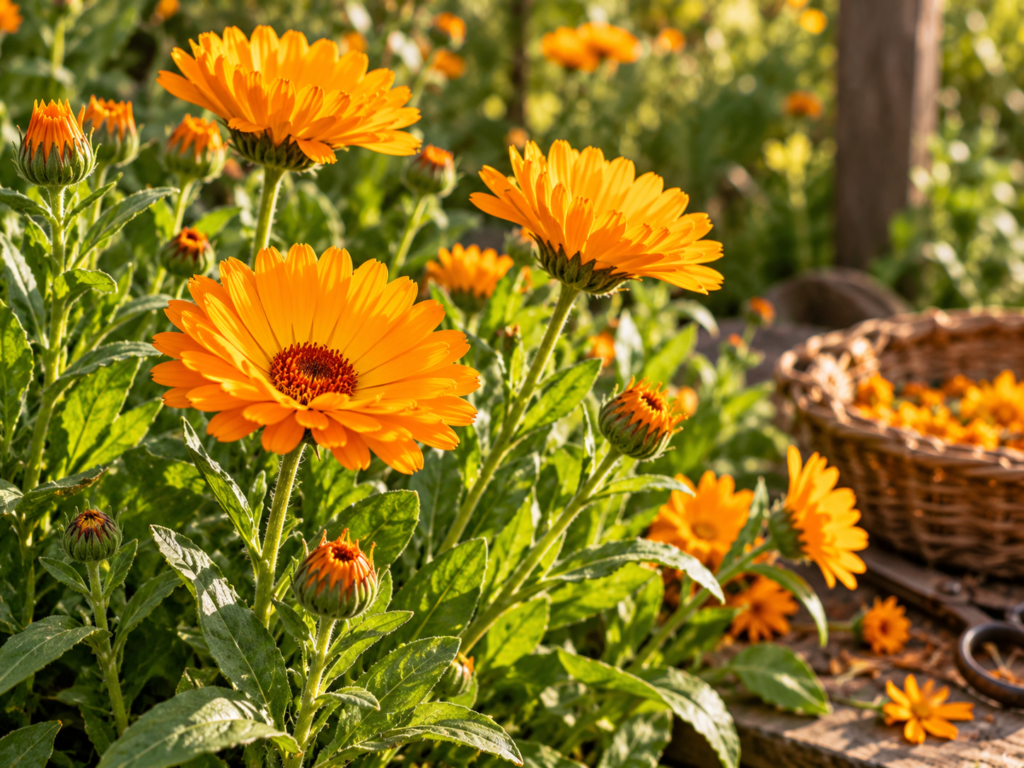
Calendula
A gentle skin-support herb traditionally used in infused oils, salves, and other topical preparations for dry, irritated, or minor damaged skin.

Plantain
A familiar garden and lawn herb traditionally used in soothing topical preparations.
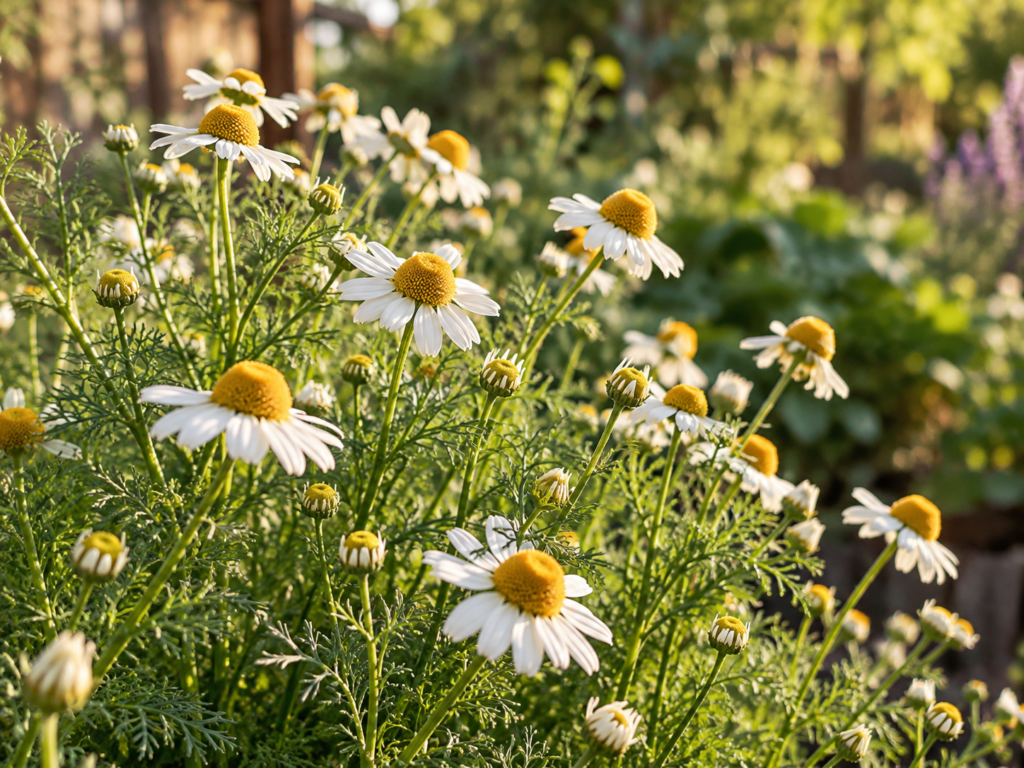
Chamomile
A gentle aromatic herb with a long tradition of use for calming both skin and nervous tension.
Related Rooted Traveler Co. Guides
Want to go deeper? These Rooted Traveler Co. guides build on comfrey’s place in topical herbal care, practical preparations, and working with useful medicinal plants at home.
DIY Herbal Oils & Salves
Learn the foundations of infused oils and salves, including practical ways to turn herbs into everyday topical preparations.
Herbal First Aid Kit
Build a practical home herbal kit with herbs and preparations chosen for common everyday needs.
Backyard Medicinal Herb Garden
Learn how to grow useful medicinal herbs at home and build a practical garden filled with plants you can harvest and work with throughout the seasons.
Sources + Further Reading
Want to dig deeper? These sources offer additional information on comfrey’s traditional topical use, modern clinical research, and the safety considerations surrounding pyrrolizidine alkaloids.
European Medicines Agency (EMA)
European Union Herbal Monograph on Symphytum officinale L., Radix.
An official herbal monograph covering comfrey root, its traditional topical use, safety considerations, and restrictions related to pyrrolizidine alkaloids.
European Medicines Agency — Comfrey Root Monograph
Staiger C.
Comfrey Root: From Tradition to Modern Clinical Trials.
Wiener Medizinische Wochenschrift. 2013;163(3–4):58–64.
A review of comfrey root’s long history of medicinal use and clinical research into topical preparations for sprains, strains, back pain, and other muscle and joint complaints.
National Institute of Diabetes and Digestive and Kidney Diseases (NIDDK)
Comfrey — LiverTox: Clinical and Research Information on Drug-Induced Liver Injury.
A useful safety reference explaining comfrey’s pyrrolizidine alkaloid content and the documented risk of serious liver injury from oral use.