
HERB PROFILE
Plantain
Plantago major
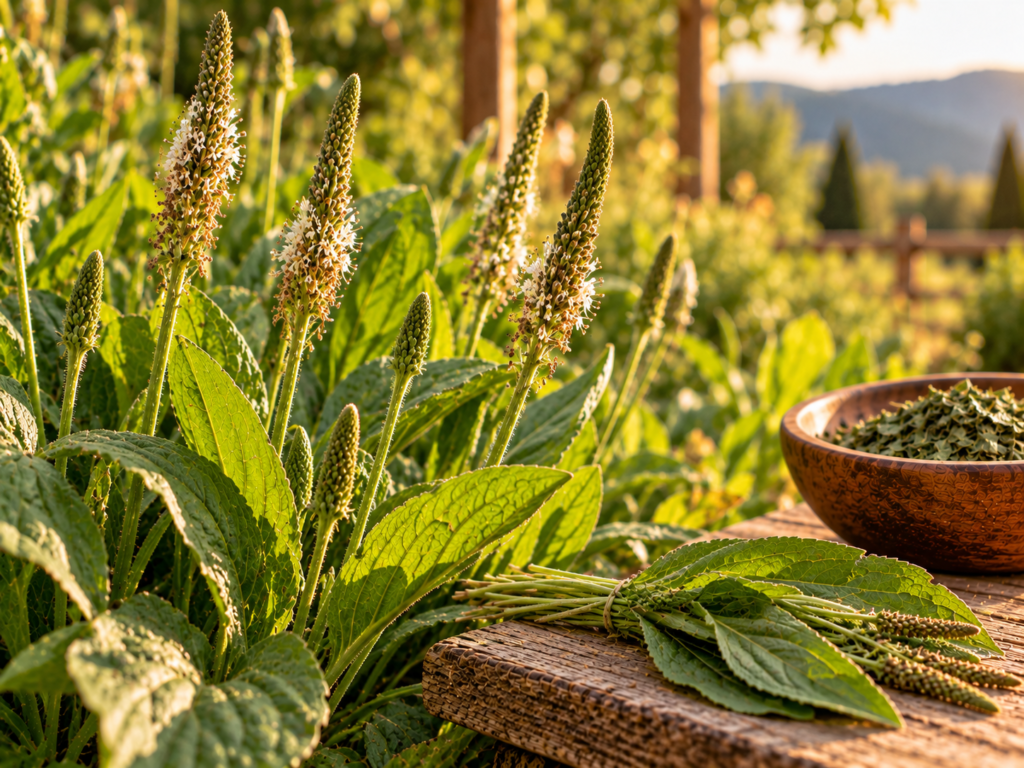
A familiar perennial found in lawns, paths, and disturbed ground, broadleaf plantain has a long history as both a wild food and a practical herbal ally. Its leaves are especially valued in traditional herbalism for soothing minor skin irritation and supporting everyday topical care.
Vulnerary • Soothing • Astringent
Family: Plantaginaceae · Parts used: Leaves
At A Glance
Key Actions
Vulnerary · Soothing · Astringent
Best Known For
Everyday skin care · Minor irritation · Practical first aid
Common Preparations
Poultice · Infused oil · Salve · Tea
Traditional Uses + Modern Context
Broadleaf plantain has a long history as both a wild food and a traditional herbal remedy. The young leaves have been eaten as greens, while the leaves have also been applied externally in poultices and other preparations for minor skin irritation, insect bites, and everyday skin care.
Modern research has investigated Plantago major for wound-related, anti-inflammatory, and other biological activities, but much of the evidence remains laboratory, animal, or otherwise preliminary. Its traditional use is considerably better established than many modern therapeutic claims, so plantain is best presented as a traditional topical and food herb rather than as a proven treatment for wounds or skin conditions.
Traditionally Used For
Minor skin irritation + everyday topical care
Poultices + infused preparations
Insect bites + stings
Young leaves as wild food
Herbal Actions
Plantain’s traditional actions reflect its long use as a practical herb for soothing, protecting, and supporting irritated tissues, particularly in topical preparations made from the leaves.
Vulnerary
Plantain is traditionally considered a vulnerary herb and has long been included in poultices, infused oils, and salves intended to support minor damaged or irritated skin.
Soothing
The leaves contain mucilaginous constituents that contribute to plantain’s soothing quality, making it a traditional choice when tissues feel dry, irritated, or uncomfortable.
Astringent
Plantain also has mild astringent qualities, traditionally valued for helping tone tissues and complement its soothing action in everyday topical preparations.
Explore by Need
Looking for a practical way to use plantain? Start with the kind of support you’re looking for, then choose a simple preparation that fits the situation.
Everyday Skin Irritation
Plantain is traditionally used topically when skin feels irritated, itchy, or uncomfortable. Fresh leaves or simple plantain preparations offer a practical option for minor everyday skin care.
Bites + Stings
Fresh plantain leaves have a long history of use in poultices for the temporary discomfort associated with minor insect bites and stings.
Everyday Skin Care
Plantain can be infused into oil and incorporated into salves and other topical preparations, making it a useful herb to keep on hand for everyday skin care.
Preparations
Plantain lends itself especially well to simple topical preparations using fresh or dried leaves. The best method depends on whether you want something for immediate use or a preparation that can be stored for later.
Poultice
Fresh plantain leaves can be crushed or bruised and applied externally as a simple poultice. This traditional preparation is commonly used for minor bites, stings, scrapes, and irritated skin.
Infused Oil
Dried plantain leaves can be infused into a carrier oil to create a versatile topical preparation. Using thoroughly dried plant material helps reduce the moisture introduced into the oil during infusion.
Salve
Plantain-infused oil can be combined with wax to make an easy-to-store salve for everyday topical use on dry or irritated skin.
Infusion
Fresh or dried leaves can be steeped in hot water to make an herbal infusion. Plantain leaf has traditionally been used internally as a soothing herb, while a cooled infusion can also be used externally as a simple wash or compress.
Growing Plantain
Broadleaf plantain is a hardy perennial that grows readily in lawns, garden edges, paths, and other disturbed ground. It is easy to establish from seed and requires very little care once growing.
SUN
Light
Plantain grows well in full sun to partial shade. It is highly adaptable and can tolerate a range of conditions, although good light encourages sturdy, productive leaf growth.
CARE
Soil + Water
Plantain tolerates a wide range of soils, including compacted ground, but grows especially well in moderately fertile soil with reasonable drainage. Keep young plants watered while they establish; mature plants are generally quite resilient.
PLANTING
Sowing + Growth
Sow seeds directly outdoors in spring or fall, pressing them lightly into the soil rather than burying them deeply. Once established, plantain forms a low basal rosette and may self-seed readily.
Harvesting and Drying
Plantain leaves can be gathered through much of the growing season. Choose healthy, correctly identified plants from clean locations, and harvest on a dry day once surface moisture has evaporated.
When to Harvest
Gather healthy leaves on a dry day after morning moisture has evaporated. Younger leaves are especially useful for food, while larger mature leaves work well for topical preparations and drying.
What to Gather
Harvest clean, undamaged leaves from plants growing away from roadsides, chemically treated lawns, pet areas, and other potentially contaminated ground. Take individual leaves rather than removing the entire rosette when you want the plant to keep growing.
Drying + Storage
Spread leaves in a single layer with good airflow and dry them away from direct sunlight. Once completely crisp and dry, store them in an airtight container away from heat, moisture, and light.
Safety + Considerations
Plantain is widely used as a food and traditional herbal preparation, but correct identification and clean harvesting are especially important when gathering it from the wild.
Correct Identification
Be certain of the plant’s identity before harvesting. Broadleaf plantain (Plantago major) typically forms a basal rosette with broad leaves and prominent parallel veins. Never consume a wild plant unless you can identify it confidently.
Harvest Location + Topical Use
Avoid plants growing along busy roads, chemically treated lawns, pet areas, or potentially contaminated soil. For topical use, work with clean plant material and avoid applying homemade preparations to deep, heavily contaminated, infected, or otherwise serious wounds.
Pregnancy + Medications
Food use is different from regular medicinal use. Safety information for concentrated plantain preparations during pregnancy and breastfeeding is limited, and people taking medications should seek professional guidance before using the herb regularly in medicinal amounts.
This page is educational and is not a substitute for individualized medical advice.
Keep Exploring
Plantain connects naturally with other herbs traditionally valued for topical care, soothing irritated tissues, and practical everyday herbal use.

Calendula
A gentle skin-support herb traditionally used in oils, salves, and other topical preparations for dry or irritated skin.
Chamomile
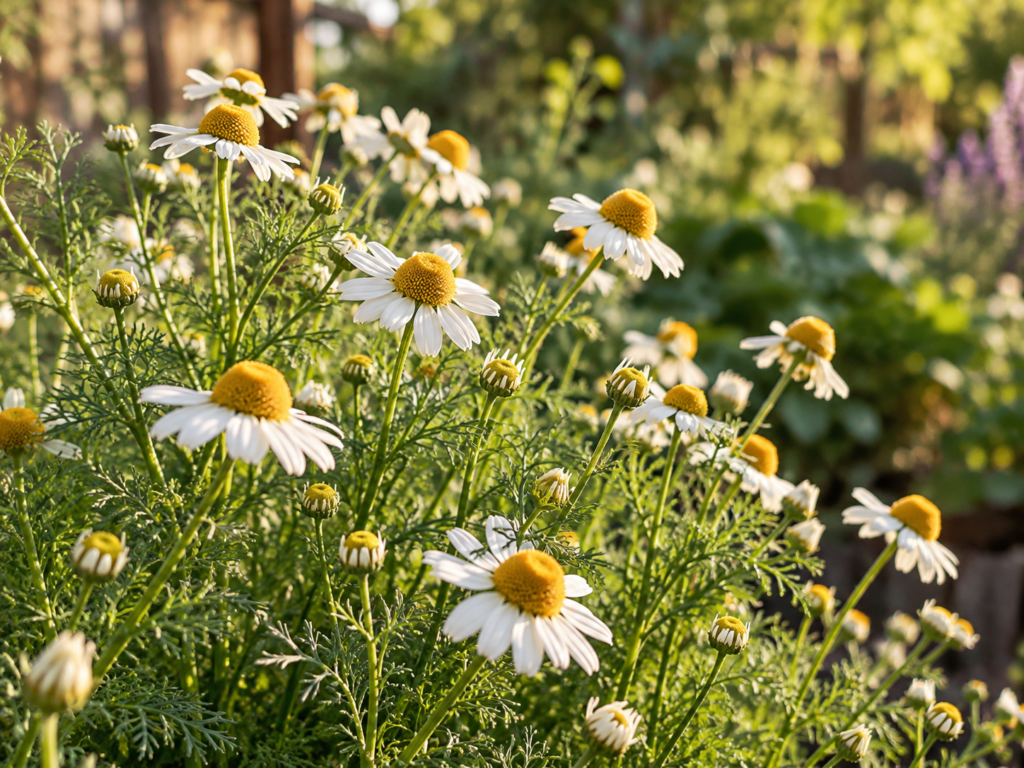
A gentle aromatic herb with a long tradition of use for calming both skin and nervous tension.
Dandelion
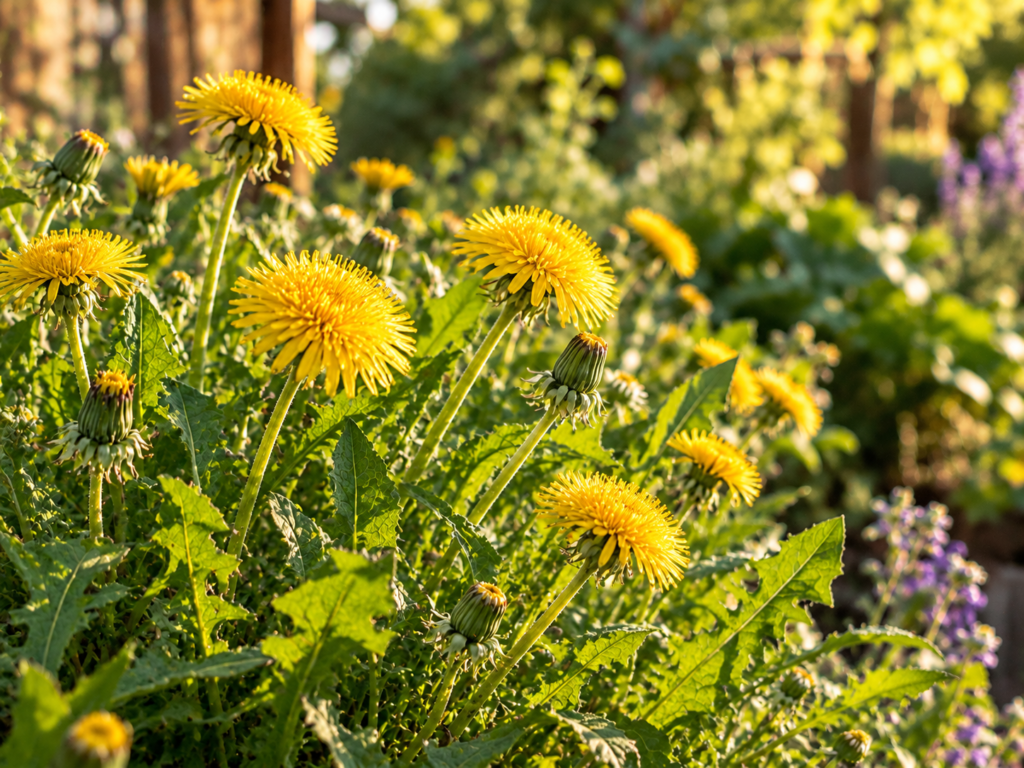
A familiar bitter herb traditionally valued for digestive support, appetite, and its use as a nourishing seasonal food.
Related Rooted Traveler Co. Guides
Want to go deeper? These Rooted Traveler Co. guides build on plantain’s place in practical herbal first aid, topical preparations, and working with useful plants growing close to home.
Herbal First Aid Kit Guide
Build a practical herbal toolkit with herbs and preparations traditionally used for everyday situations like minor skin irritation, bites, stings, and other common needs.
DIY Herbal Oils & Salves
Learn how to turn herbs into infused oils and simple salves—two of the most useful ways to preserve plantain for everyday topical care.
Healing Lawn Weeds Cheat Sheet
Learn to recognize useful plants growing close to home, including plantain, and discover the traditional herbal uses hiding in an ordinary lawn.
Sources + Further Reading
Want to dig deeper? These sources offer additional information on broadleaf plantain’s traditional uses, botanical characteristics, research, and herbal-medicine context.
European Medicines Agency (EMA)
Plantaginis lanceolatae folium – Ribwort Plantain Leaf
European Medicines Agency, Committee on Herbal Medicinal Products (HMPC).
A useful herbal-medicine reference for the closely related Plantago lanceolata. Because this monograph does not specifically cover Plantago major, it is best used as broader context for the genus rather than as direct evidence for broadleaf plantain.
European Medicines Agency — Plantaginis lanceolatae folium
Samuelsen AB.
The Traditional Uses, Chemical Constituents and Biological Activities of Plantago major L. A Review.
Journal of Ethnopharmacology. 2000;71(1–2):1–21.
A comprehensive scientific review specifically focused on Plantago major, covering its traditional uses, constituents, and experimental research while providing useful context for the long history of plantain in herbal practice.
Adom MB, Taher M, Mutalabisin MF, et al.
Chemical Constituents and Medical Benefits of Plantago major.
Biomedicine & Pharmacotherapy. 2017;96:348–360.
A more recent review of Plantago major research, including its phytochemistry and investigated biological activities. Much of the evidence discussed is preclinical, making it useful for understanding both the plant’s research interest and the limitations of current evidence.