

HERBAL ACTIONS A–Z
Bitters
BIT-erz
Bitters are herbs traditionally used to stimulate digestive activity through their distinctly bitter taste. In herbal practice, they are commonly associated with supporting appetite, digestive secretions, and the body’s natural response to food, particularly when digestion feels sluggish.
Not all bitter herbs have the same qualities. Some, such as gentian, are intensely bitter, while others, including dandelion root and artichoke leaf, have their own distinctive traditional uses. Bitters are often taken before meals, and their effects depend on the plant, preparation, and individual.
In Plain English
UNDERSTANDING THE ACTION
Bitter herbs are known for their distinctly bitter taste. When that taste reaches the tongue, it triggers sensory responses associated with preparing the digestive system for food, including increased saliva production. This helps explain why bitters have traditionally been taken shortly before meals.
Herbalists commonly use bitters when appetite is low or digestion feels slow and heavy. Their traditional use centres on appetite and digestive function, although the strength of clinical evidence varies between herbs and preparations.
THE KEY DISTINCTION
Bitter ≠ Carminative
Bitters are traditionally used to stimulate appetite and digestive activity through bitter taste. Carminatives, such as fennel and anise, are aromatic herbs traditionally used to ease gas and bloating. Some herbs have both qualities, but the actions describe different aspects of digestive support.
HOW BITTERS DIFFER
Types of Bitters
Not all bitter herbs are used in the same way. Some are intensely bitter and traditionally associated with appetite and digestive stimulation, while others combine bitterness with aromatic qualities or have a broader history as digestive tonics.
01 · INTENSE BITTERNESS
Pure Bitters
Strongly bitter herbs traditionally used before meals to encourage appetite and digestive activity. Their pronounced bitter taste is central to how they are used in herbal practice.
Examples: Gentian · Quassia
02 · BITTER + AROMATIC
Aromatic Bitters
Herbs that combine bitter constituents with fragrant, aromatic compounds. Traditionally used in digestive preparations where both bitter stimulation and aromatic qualities are valued.
Examples: Wormwood · Yarrow
03 · TRADITIONAL DIGESTIVE TONICS
Bitter Tonics
Bitter herbs with a broader tradition of use for appetite, digestive fullness, and general digestive support. Often incorporated into herbal teas or blended preparations.
Examples: Dandelion Root · Artichoke Leaf
MEET THE PLANTS
Herbs Associated With Bitter Action
Bitter herbs vary in strength, flavour, and traditional applications. Explore these plants to discover how their bitter qualities have been used in herbal practice, along with their individual preparations, growing habits, and considerations.

Dandelion
Dandelion root has a long tradition as a bitter digestive herb, particularly for appetite and feelings of digestive fullness. Its leaves are also valued as bitter edible greens.
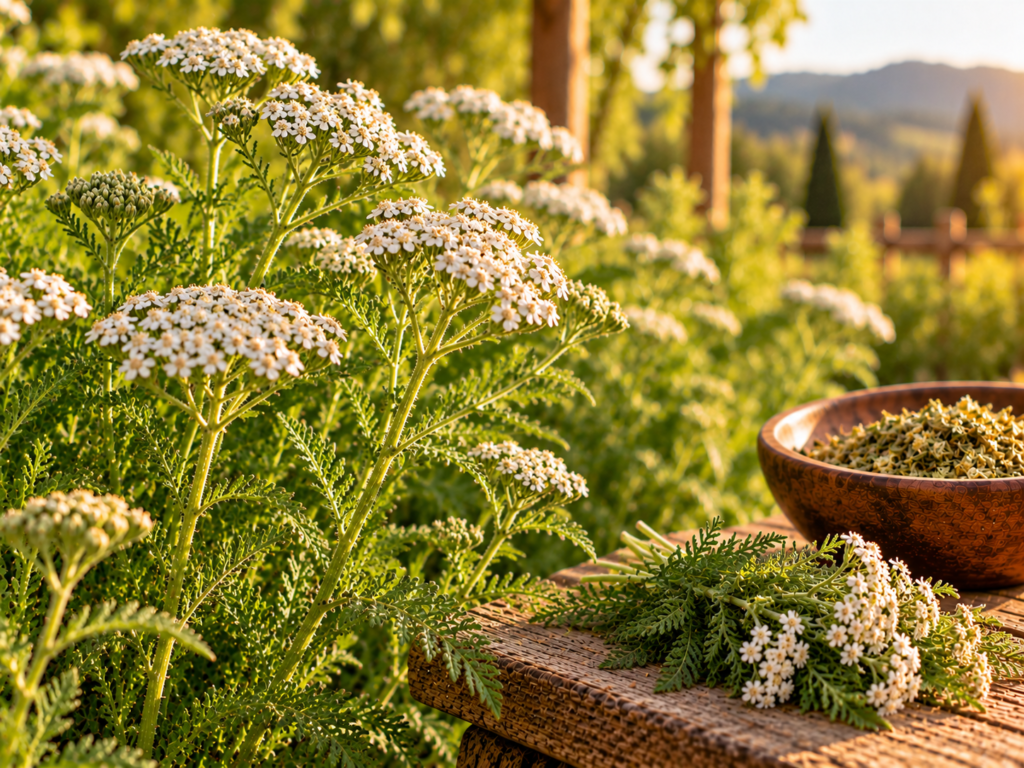
Yarrow
An aromatic herb with a distinctly bitter flavour, traditionally used in digestive preparations for appetite, fullness, and mild digestive discomfort.

Gentian
One of the best-known intensely bitter herbs, traditionally prepared from its root to support appetite and digestive function before meals.

Artichoke Leaf
A distinctly bitter leaf traditionally used in digestive preparations, particularly for feelings of fullness, bloating, and sluggish digestion.
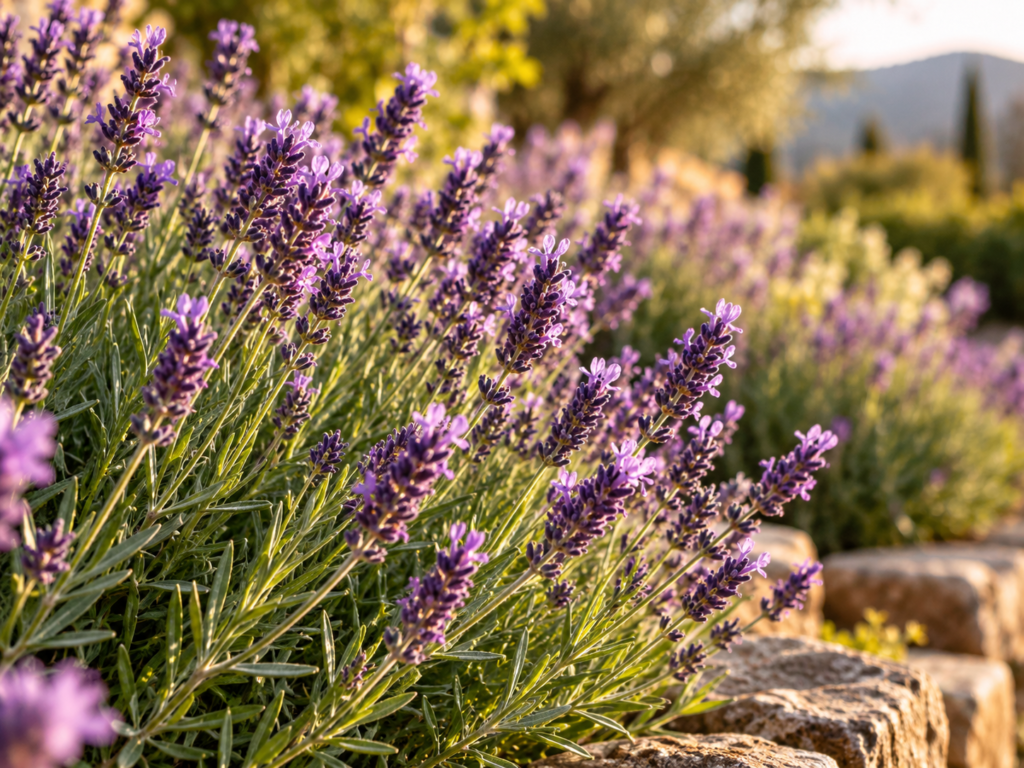
Wormwood
An intensely bitter, aromatic herb with a long history in traditional digestive preparations, particularly for appetite and digestive stimulation.
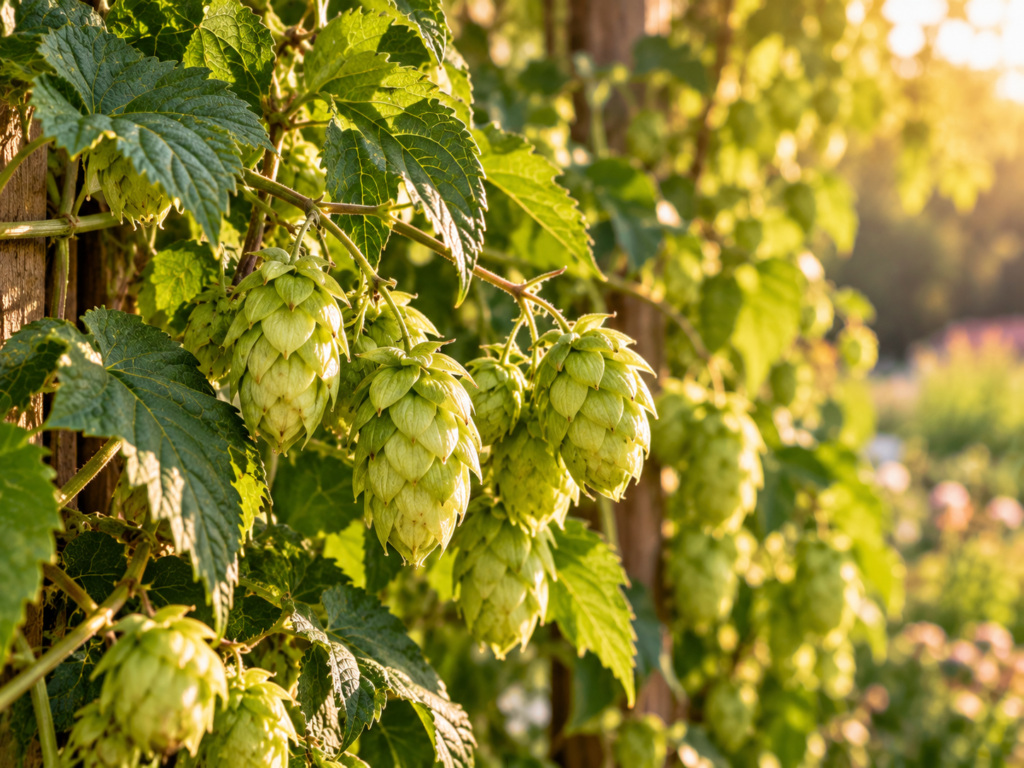
Hops
Best known for their calming properties, hops also contain bitter compounds and have a traditional history of use in appetite-stimulating digestive preparations.
EXPLORE BY NEED
Where Bitters Fit Into Everyday Life
Bitter herbs have traditionally been used to support appetite and digestive function, particularly before meals. Explore these related topics to understand where bitter herbs fit into everyday digestive practices and how they differ from other approaches to digestive comfort.
01 · APPETITE + DIGESTION
Appetite + Digestive Support
Explore herbs traditionally used to encourage appetite and support the body’s natural digestive responses. Learn how bitter-tasting plants have been incorporated into preparations taken before meals and everyday herbal routines.
02 · DIGESTIVE COMFORT
Gas + Bloating
Discover traditional herbal approaches to digestive fullness, gas, and bloating. Learn how bitter herbs and aromatic carminatives differ, and why they are sometimes combined in digestive preparations.
PREPARING BITTERS HERBS
Common Herbal Preparations
Bitter herbs can be prepared in several ways, depending on the plant, its bitter constituents, and the intended use. Because bitter taste is central to their traditional digestive action, preparations that allow the bitterness to be tasted are particularly relevant.
01
Teas & Decoctions
Bitter leaves and flowering herbs may be steeped as infusions, while tougher roots, such as dandelion and gentian, are sometimes prepared as decoctions. These water-based preparations retain the characteristic bitter flavour of the herbs.
02
Tinctures & Liquid Extracts
Concentrated liquid preparations are commonly used for bitter herbs, either individually or in blends. Traditionally, small amounts are taken before meals, allowing their bitter taste to be experienced. Extraction methods and concentrations vary considerably between plants.
03
Digestive Bitter Blends
Traditional digestive bitters often combine intensely bitter plants with aromatic herbs such as fennel, anise, or orange peel. These blends bring together complementary herbal qualities and flavours, and may be prepared as teas or liquid extracts.
RELATED HERBAL ACTIONS
How Bitters Compare to Other Herbal Actions
Herbal actions often overlap, and a single plant may have several traditional uses. Understanding how bitters differ from carminatives, cholagogues, and demulcents helps explain why herbs with digestive reputations aren’t always used for the same purposes.
01 · DIGESTIVE COMFORT
Bitters vs. Carminatives
Bitters are traditionally used to encourage appetite and digestive activity through their distinctly bitter taste. Carminatives, such as fennel and anise, are aromatic herbs traditionally used to ease gas, bloating, and digestive discomfort. Some plants have both qualities, but these actions describe different approaches to digestive support.
02 · BILE FLOW
Bitters vs. Cholagogues
Bitters are defined by their bitter taste and traditional digestive-stimulating role. Cholagogues are herbs traditionally associated with encouraging bile release into the digestive tract. Some herbs, such as artichoke leaf, are discussed in connection with both actions.
03 · SOOTHING TISSUES
Bitters vs. Demulcents
Bitters are traditionally used to stimulate digestive responses, while demulcents contain soothing mucilage that can coat and comfort irritated tissues. These actions represent different approaches to digestive support.
CONTINUE EXPLORING
Explore Related Herbal Actions
Herbal actions often overlap, and a single plant may be described in several ways. Explore these related digestive actions to understand how aromatic herbs, bile-related traditions, and soothing preparations differ from bitter herbs.
Cholagogue →
Demulcent →
USING HERBS THOUGHTFULLY
Safety & Considerations
Bitter herbs vary considerably in their strength, constituents, and traditional uses. Although bitter taste is associated with digestive activity, not every bitter herb is suitable for every person. The individual plant, preparation, amount used, and existing health conditions all matter.
Different Herbs, Different Considerations
Some bitter herbs are familiar foods or gentle ingredients in traditional digestive preparations, while others contain more potent constituents or require specific precautions. A plant’s bitter taste alone does not establish its safety, appropriate amount, or suitability for daily use.
Bitter preparations may be unsuitable for people with certain digestive conditions, including active stomach or duodenal ulcers. Herbs traditionally associated with stimulating bile flow also require particular consideration when gallstones or bile duct obstruction are present. Individual herb profiles provide more useful guidance than the bitters category alone.
BEFORE CHOOSING A BITTER HERB
Look Beyond the Label
Check the individual herb’s identity, plant part, preparation, and relevant precautions. Digestive conditions, medications, pregnancy, and allergies may affect which bitter preparations are appropriate. Culinary use, traditional teas, and concentrated extracts should not automatically be treated as equivalent.
Start with the individual herb profile, not the action category alone.
FROM THE ROOTED LIBRARY
Continue Learning
Interested in exploring bitter herbs beyond their traditional classification? Our practical herbal guides bring together plant knowledge, preparation methods, and everyday approaches to digestive wellness.
FEATURED HERBAL GUIDE
Digestive Bitters DIY Guide
Discover the traditional role of bitter herbs in digestive wellness and learn how herbal bitters are prepared. This practical digital guide explores bitter plant ingredients, extraction methods, and thoughtful ways to incorporate digestive bitters into everyday herbal practice.
FURTHER READING
Sources & References
Bitter is a traditional herbal action describing plants whose bitter taste has long been associated with digestive preparations. The category includes herbs with different constituents, uses, and safety considerations. For more detailed information about individual bitter herbs, their preparations, and documented precautions, consult established herbal monographs and botanical references.
European Medicines Agency (EMA) — Herbal Monographs
NCCIH — Herbs at a Glance
Kew Science — Plants of the World Online
Traditional herbal classifications are descriptive rather than standardized medical categories. Individual herb profiles should be consulted for plant-specific information.