
HERBAL ACTIONS A–Z
Vulnerary
VUL-ner-air-ee
A vulnerary is an herb traditionally valued for supporting wound healing and tissue repair. In herbal practice, vulnerary plants are commonly incorporated into preparations intended to care for minor skin injuries, irritated tissues, and areas recovering from everyday wear and damage.
Vulnerary herbs are especially associated with traditional external skin care, where they are used in herbal washes, infused oils, salves, and compresses. Common examples include calendula, plantain, comfrey, and yarrow.
UNDERSTANDING THE ACTION
In Plain English
Think of a vulnerary as an herb traditionally used to help damaged skin and tissues recover. Vulnerary plants are valued for their role in caring for minor cuts, scrapes, and irritated areas, where gentle protection and tissue repair are important.
Herbalists traditionally incorporate vulnerary plants into washes, compresses, infused oils, and salves. Their tissue-supporting qualities distinguish them from herbs primarily used to soften dry skin or tighten tissues.
THE KEY DISTINCTION
Vulnerary ≠ Emollient
Both actions are associated with skin care, but they describe different qualities. Vulneraries are traditionally valued for supporting tissue repair and wound healing, while emollients soften the skin and help reduce moisture loss. Some herbs, such as calendula, are associated with both actions.
HOW VULNERARIES DIFFER
Types of Vulnerary Action
Vulnerary herbs vary in their traditional applications and the ways they support skin and tissue care. Some are valued for soothing minor irritation, while others are associated with caring for damaged skin or supporting tissue recovery.
01 · GENTLE SKIN CARE
Soothing Vulneraries
These herbs are traditionally used to comfort delicate or irritated skin. They are commonly incorporated into gentle washes, infused oils, and everyday skin-care preparations.
Examples: Calendula · Chamomile · Plantain
02 · MINOR SKIN INJURIES
Wound-Care Vulneraries
These plants have a long history of external use in preparations for minor cuts, scrapes, and superficial skin injuries. They are traditionally valued for supporting the healing process.
Examples: Yarrow · Plantain · Calendula
03 · TISSUE RECOVERY
Restorative Vulneraries
These herbs are traditionally associated with tissue repair and recovery. They are often incorporated into external salves and compresses for localized skin and tissue care.
Examples: Comfrey · Calendula · Plantain
MEET THE PLANTS
Herbs Associated With Vulnerary Action
These plants are traditionally valued for their soothing and tissue-supporting qualities. Each has a history of use in herbal skin care, from comforting irritated areas to supporting the natural healing of minor skin injuries.
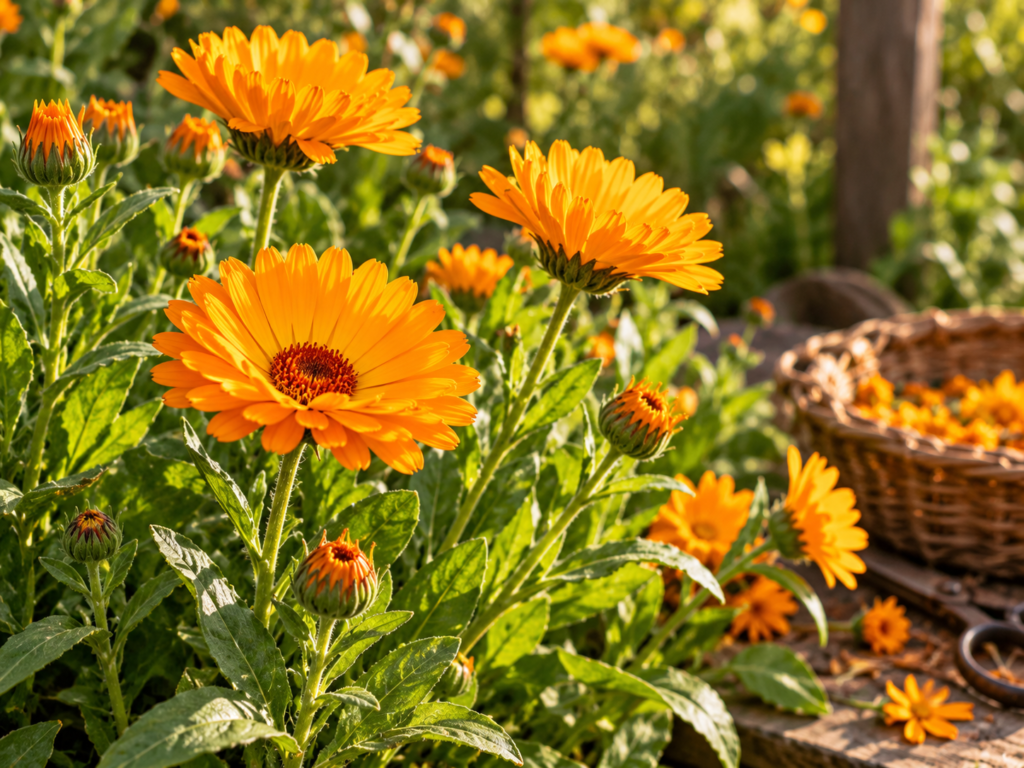
Calendula
Its bright flowers are traditionally used in herbal oils, salves, and washes to soothe irritated skin and support the healing of minor skin injuries.

Plantain
Its leaves have a long history of external use for minor scrapes, insect bites, and irritated skin.
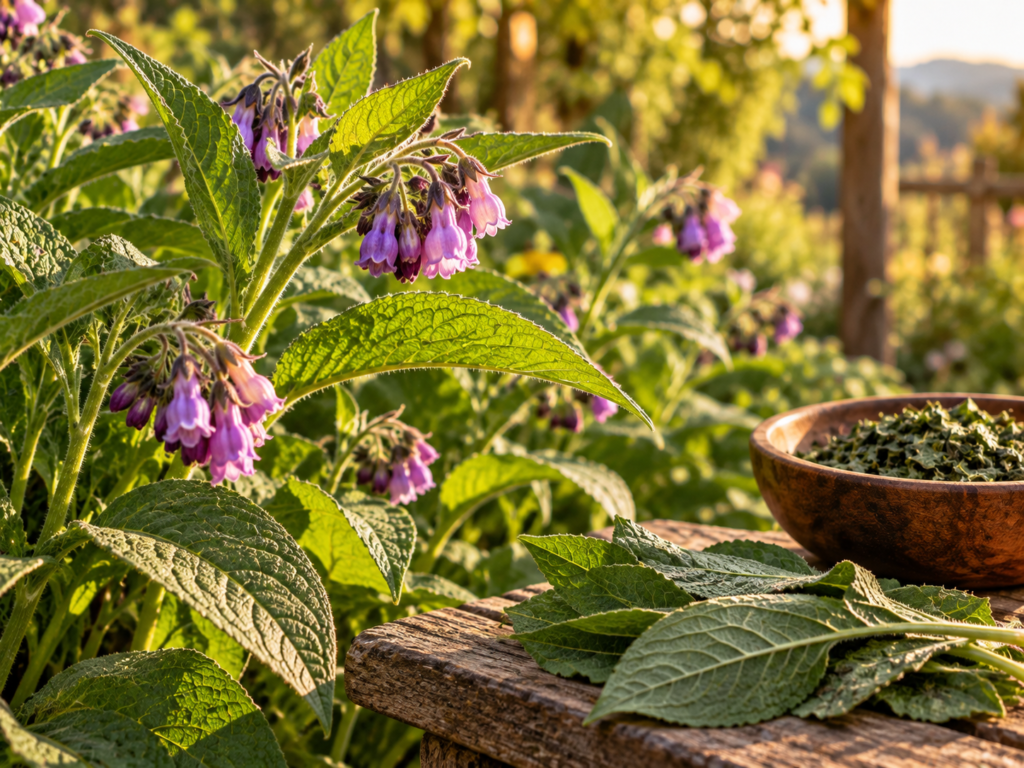
Comfrey
Traditionally valued for tissue recovery, comfrey is used in external preparations for intact skin and minor soft-tissue discomfort.

Yarrow
Its flowering tops and leaves are traditionally used in herbal washes and compresses for minor skin injuries.
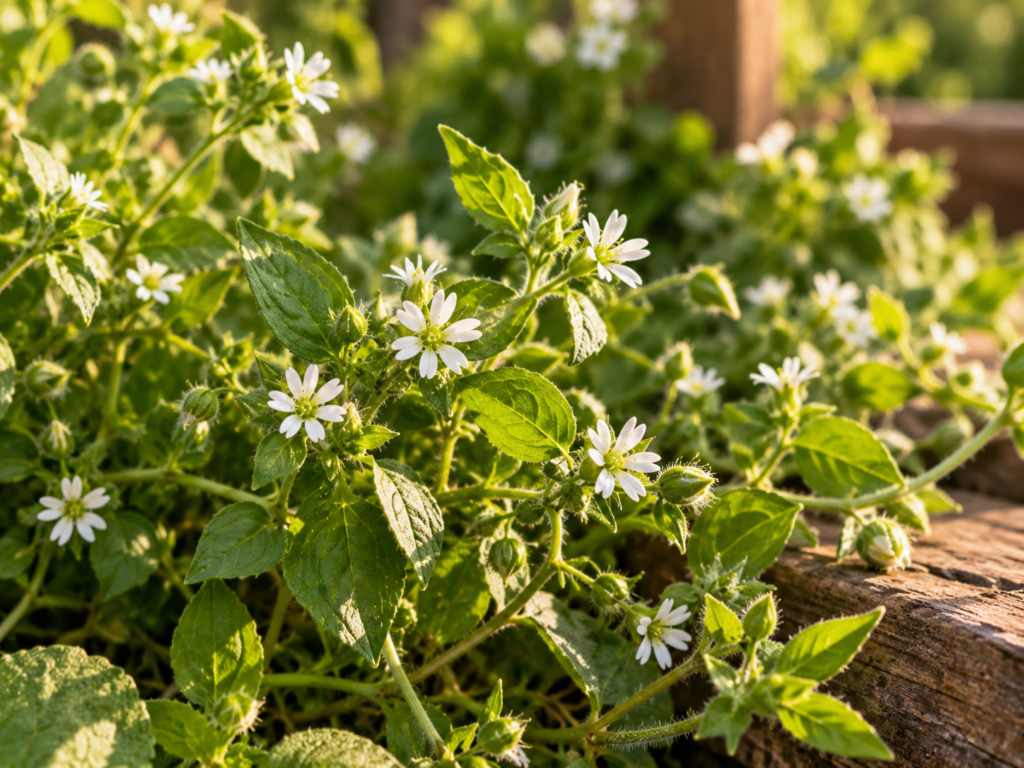
Chickweed
This delicate herb is traditionally incorporated into soothing salves and creams for dry, itchy, or irritated skin.
Explore Chickweed →
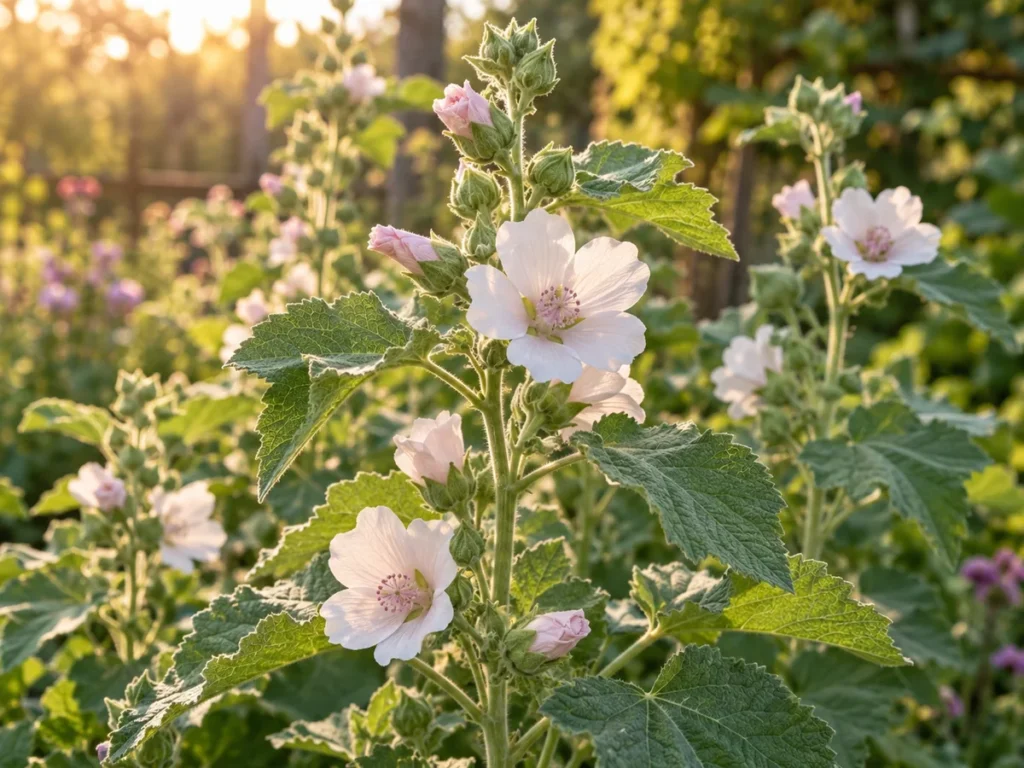
Marshmallow
Its mucilage-rich roots and leaves are traditionally used in soothing preparations for delicate or irritated skin.
EXPLORE BY NEED
Where Vulnerary Herbs Fit Into Everyday Life
Vulnerary herbs are traditionally valued for their soothing and tissue-supporting qualities. Explore how these plants fit into everyday skin care, minor wound care, and preparations designed to comfort and protect delicate skin.
01 · SKIN + TISSUE CARE
Skin + Tissue Support
Explore herbs traditionally used to care for minor cuts, scrapes, and irritated skin, including plants commonly incorporated into herbal washes, compresses, oils, and salves.
Explore Skin + Tissue Support →
02 · EVERYDAY SKIN COMFORT
Skin + Beauty
Discover botanical ingredients and traditional preparations used to soothe delicate skin, maintain comfort, and support everyday skin care through gentle herbal oils, creams, and balms.
PREPARING VULNERARY HERBS
Common Herbal Preparations
Vulnerary herbs can be prepared in several ways depending on the plant and its intended use. External preparations are especially common, allowing these herbs to be incorporated into traditional skin-care routines and preparations for minor skin injuries.
01
Herbal-Infused Oils
Herbs such as calendula and plantain are traditionally infused into carrier oils to create soothing skin-care preparations. These oils can be applied to intact skin or used as ingredients in salves and balms.
02
Salves & Balms
Herbal-infused oils are combined with waxes to create richer, protective preparations. Vulnerary herbs such as calendula and comfrey are traditionally incorporated into salves for localized skin and tissue care.
03
Herbal Washes & Compresses
Herbs such as yarrow, plantain, and calendula are traditionally prepared as cooled infusions for external use. These preparations may be applied with a clean cloth to gently cleanse or comfort minor skin irritations.
RELATED HERBAL ACTIONS
How Vulneraries Compare to Other Herbal Actions
Several herbal actions are associated with skin and tissue care, but they offer different qualities. Understanding these distinctions helps clarify how vulneraries differ from herbs that soften, tighten, or soothe tissues.
01 · SOFTENING THE SKIN
Vulneraries vs. Emollients
Vulneraries are traditionally associated with supporting tissue repair and minor wound healing, while emollients soften and protect the skin by helping reduce moisture loss.
02 · TIGHTENING TISSUES
Vulneraries vs. Astringents
Vulneraries are valued for their tissue-supporting qualities, while astringents create a tightening effect on tissues through their tannin content.
03 · SOOTHING IRRITATION
Vulneraries vs. Demulcents
Vulneraries are traditionally associated with tissue recovery, while demulcents contain mucilage that forms a soothing, protective coating over irritated tissues.
CONTINUE EXPLORING
Explore Related Herbal Actions
Herbal actions are useful ways to understand traditional plant uses, but they aren’t rigid categories. Continue exploring these related actions to see where their meanings overlap and where they differ.
USING HERBS THOUGHTFULLY
Safety & Considerations
Vulnerary herbs are traditionally valued for supporting skin and tissue recovery, but their suitability depends on the specific plant, preparation, and condition of the skin. Not every vulnerary is appropriate for every type of injury.
Different Herbs, Different Considerations
Some vulnerary herbs require particular care. Comfrey, for example, contains pyrrolizidine alkaloids and is generally reserved for short-term external use on intact skin, rather than open wounds.
Minor cuts should be properly cleaned before applying herbal preparations. Deep, infected, or poorly healing wounds require appropriate medical care.
BEFORE CHOOSING AN HERB
Look Beyond the Label
The term vulnerary describes a traditional tissue-supporting action, not a guarantee that every herb promotes healing in every situation. Consider the specific plant, preparation method, skin condition, and whether the product is intended for intact or damaged skin.
Start with the individual herb profile, not the action category alone.
FROM THE ROOTED LIBRARY
Continue Learning
Interested in exploring vulnerary herbs beyond their traditional classifications? Our practical herbal guides introduce useful plants, preparation methods, and everyday approaches to caring for minor skin injuries and supporting natural tissue recovery.
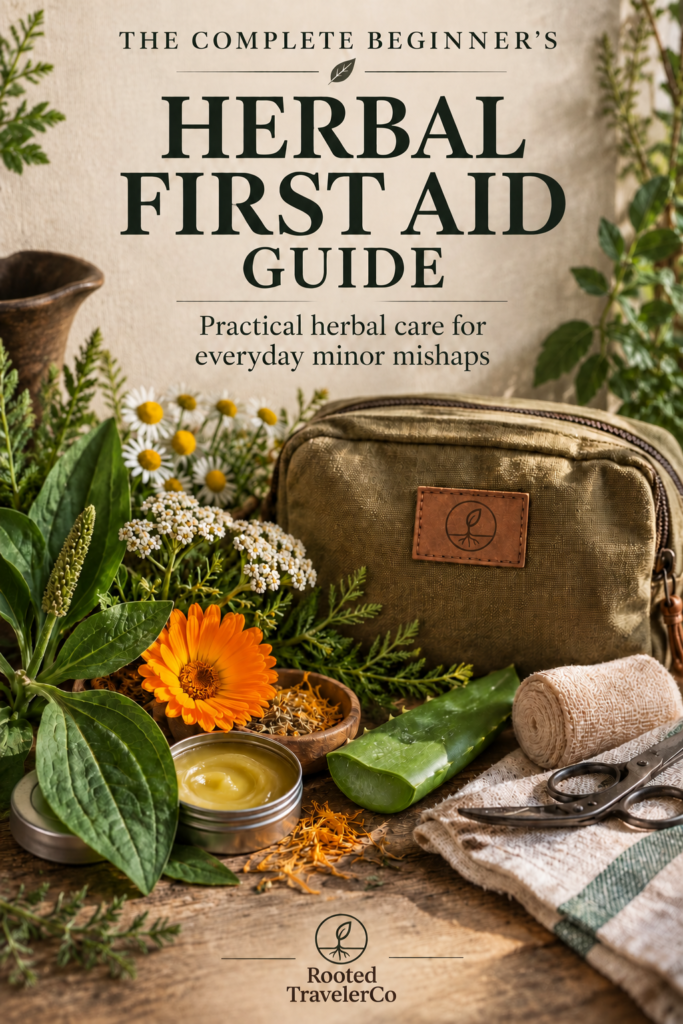
FEATURED HERBAL GUIDE
Herbal First Aid Kit Guide
Discover traditional herbs and practical preparations for everyday first aid, from soothing minor skin irritations to caring for small cuts and scrapes. This guide explores useful botanical ingredients and simple ways to build a well-stocked herbal first aid kit.
FURTHER READING
Sources & References
Herbal action terminology comes from traditional herbal practice and may vary between sources. For more detailed information about individual plants, their preparations, and documented considerations, consult established herbal monographs and botanical references.
European Medicines Agency (EMA) — Herbal Monographs
NCCIH — Herbs at a Glance
Kew Science — Plants of the World Online
Traditional herbal classifications are descriptive rather than standardized medical categories. Individual herb profiles should be consulted for plant-specific information.