
THE ROOTED LIBRARY · HERBAL PREPARATIONS
From Plant to Preparation
Herbal preparations are the practical bridge between knowing a plant and learning how to use it. Explore traditional methods for making teas, infused oils, salves, tinctures, and more — with clear guidance on choosing ingredients, preparing them thoughtfully, and storing your finished creations.
EXPLORE THE METHODS
Browse by Preparation Method
Different preparations bring out different qualities of a plant. Start with the method that suits your ingredients, your purpose, and how you plan to use the finished preparation.
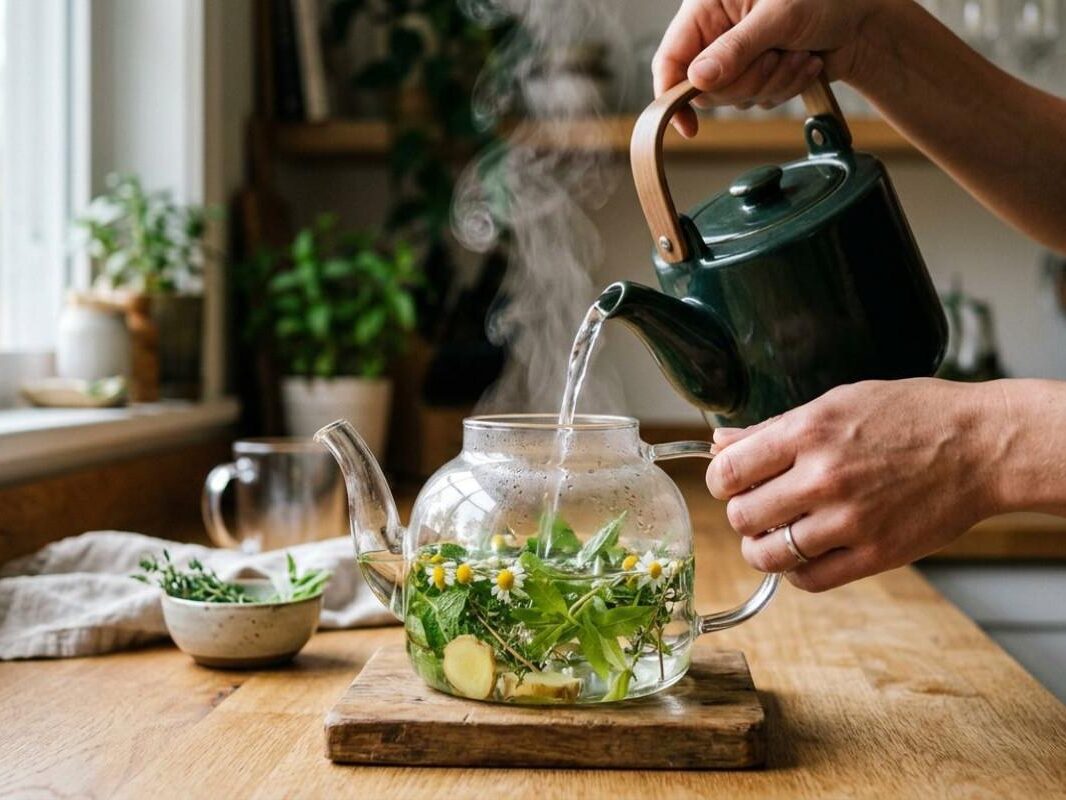
Water-Based Preparations
Explore the simplest ways to prepare herbs with water, from everyday teas and longer infusions to gently simmered decoctions.
Explore the Methods:
Tea + Infusion →
Decoction →
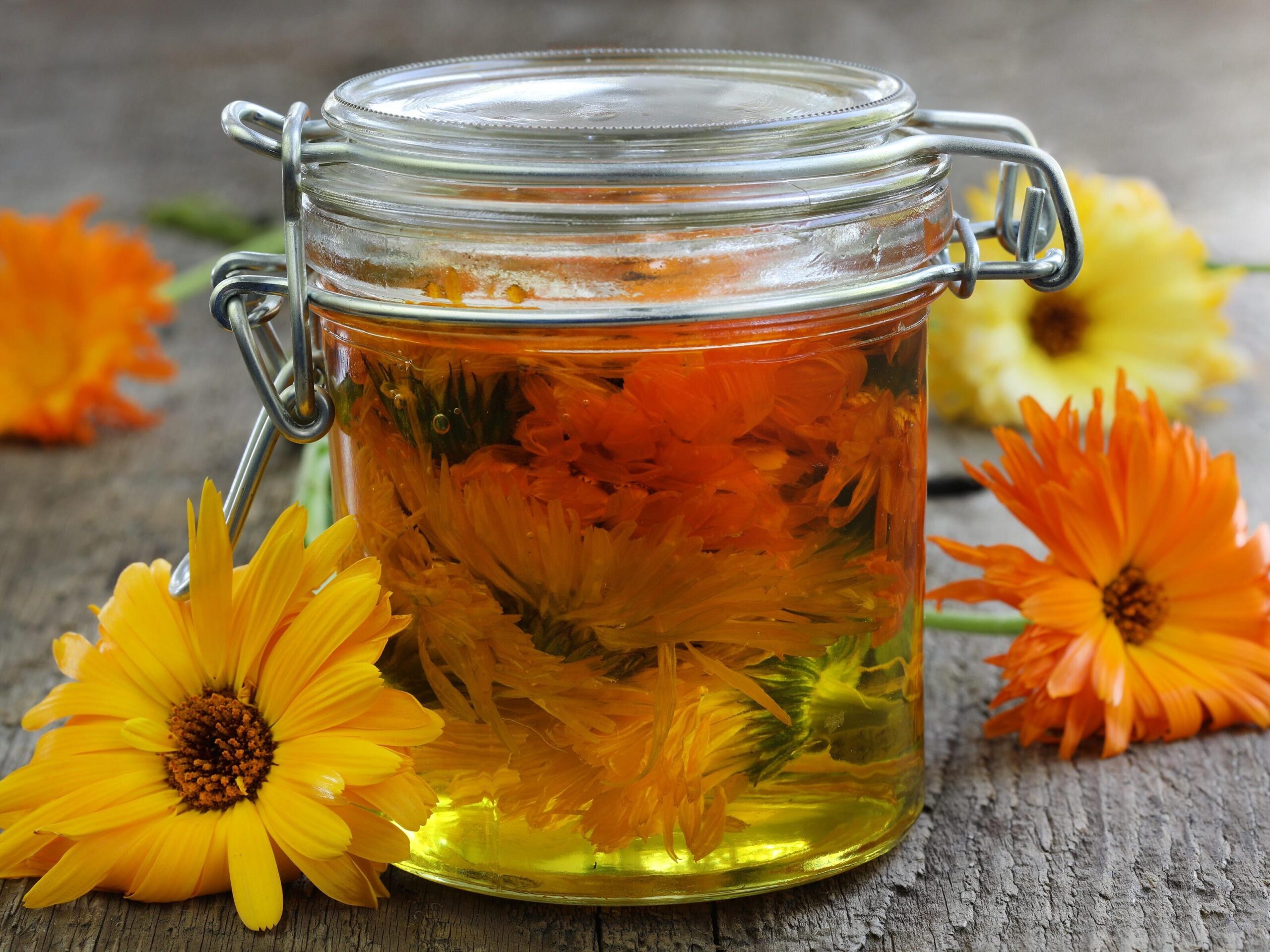
Oil + Topical Preparations
Learn how to turn herbs into infused oils, soothing salves, and simple preparations applied directly to the skin.
Explore the Methods:
Infused Oil →
Herbal Salve →
Poultice →
Compress→
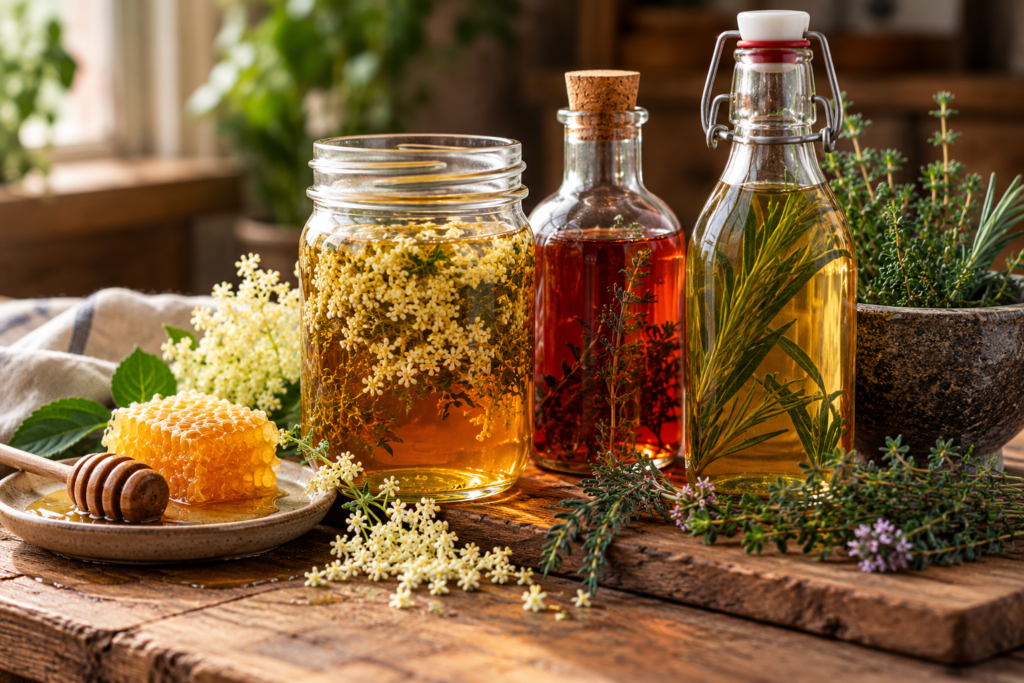
Honey + Vinegar Preparations
Explore traditional ways to prepare herbs with honey and vinegar, from sweet infused honeys to tangy herbal vinegars and oxymels.
Explore the Methods:
Infused Honey →
Oxymel →
Herbal Vinegar →
Other Extractions
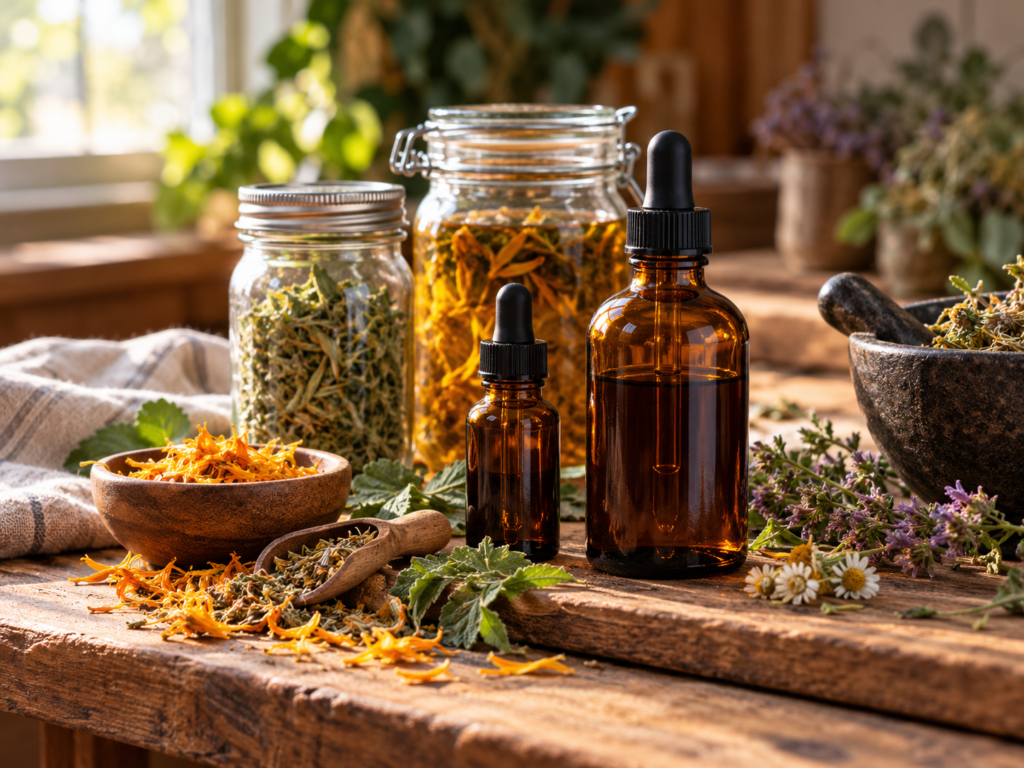
Explore tinctures, herbal syrups, and digestive bitters made with alcohol, honey, and other extracting ingredients.
Explore the Methods:
Tincture →
Glycerite →
Digestive Bitters →
Herbal Syrup →
START HERE
Begin with the Essentials
New to making herbal preparations? These four foundational methods are a practical place to begin. Learn how each works, what you’ll need, and how to prepare herbs with confidence.
01 · ESSENTIAL METHOD
Tea + Infusion
Learn the fundamentals of preparing herbs with hot water, from everyday cups of tea to longer, more concentrated infusions.
02 · ESSENTIAL METHOD
Infused Oil
Learn to steep dried herbs in carrier oils, creating versatile preparations for massage, skincare, and homemade herbal salves.
03 · ESSENTIAL METHOD
Salve
Turn herbal infused oils into smooth, nourishing balms using beeswax and simple ingredients.
04 · ESSENTIAL METHOD
Digestive Bitters
Discover how bitter herbs are combined and extracted to create traditional digestive preparations.
FIND YOUR METHOD
Choosing the Right Preparation
Not every preparation works the same way. The best method depends on the plant, the compounds you want to extract, and how you intend to use the finished product. Understanding these differences helps you make more thoughtful choices.
Water is commonly used to extract water-soluble plant constituents. Teas and infusions are well suited to many leaves and flowers, while decoctions are often used for tougher materials such as roots and bark.
Oil-based preparations are commonly used to extract oil-soluble plant constituents for topical use. Infused oils can be applied directly to the skin or combined with beeswax to create salves.
Alcohol can extract a broad range of plant constituents that water or oil alone may not capture. Tinctures and many digestive bitters use alcohol to extract herbs and help preserve the finished preparation.
PREPARE WITH CARE
Preparation Safety & Storage
Good herbal preparations begin with clean equipment, correctly identified plants, and thoughtful ingredient choices. How you prepare, package, and store your finished products matters just as much as the method itself.
Storage Essentials
Start with clean, dry equipment
Wash jars, utensils, and containers thoroughly. Dry them completely before preparing infused oils or other moisture-sensitive products.
Choose appropriate containers
Use clean, food-safe containers suited to the preparation. Amber glass can help protect light-sensitive oils and tinctures, while airtight jars help keep dried herbs fresh.
Label every preparation
Record the plant name, ingredients, preparation method, and date made. For tinctures, include the alcohol percentage; for oils and salves, note the carrier oil and other ingredients.
Store according to the preparation
Keep dried herbs, infused oils, and tinctures in appropriate cool, dark conditions. Refrigerate perishable water-based preparations promptly, and discard anything showing spoilage.
GOOD TO KNOW
Before You Begin
A few thoughtful precautions can make your herbal preparations safer, more reliable, and easier to use.
Know your plants
Correctly identify every herb and check the suitability of the plant part, preparation method, and intended use.
Watch for moisture
Fresh herbs introduce water into infused oils, increasing spoilage risk. Use properly dried plant material for standard shelf-stable oil infusions.
Understand shelf life
Water-based preparations are generally more perishable than properly made oils or alcohol tinctures. Never assume a homemade product is shelf-stable simply because it contains herbs.
Consider individual suitability
Some herbs are unsuitable during pregnancy, with certain medications, or for particular health conditions. Check the herb and preparation before use.
CONTINUE LEARNING
Bring Your Herbal Skills to Life
Ready to put these methods into practice? Explore the Rooted Traveler Co. guides for step-by-step instructions, practical recipes, and approachable ways to make herbal preparations at home.
FEATURED HERBAL GUIDE
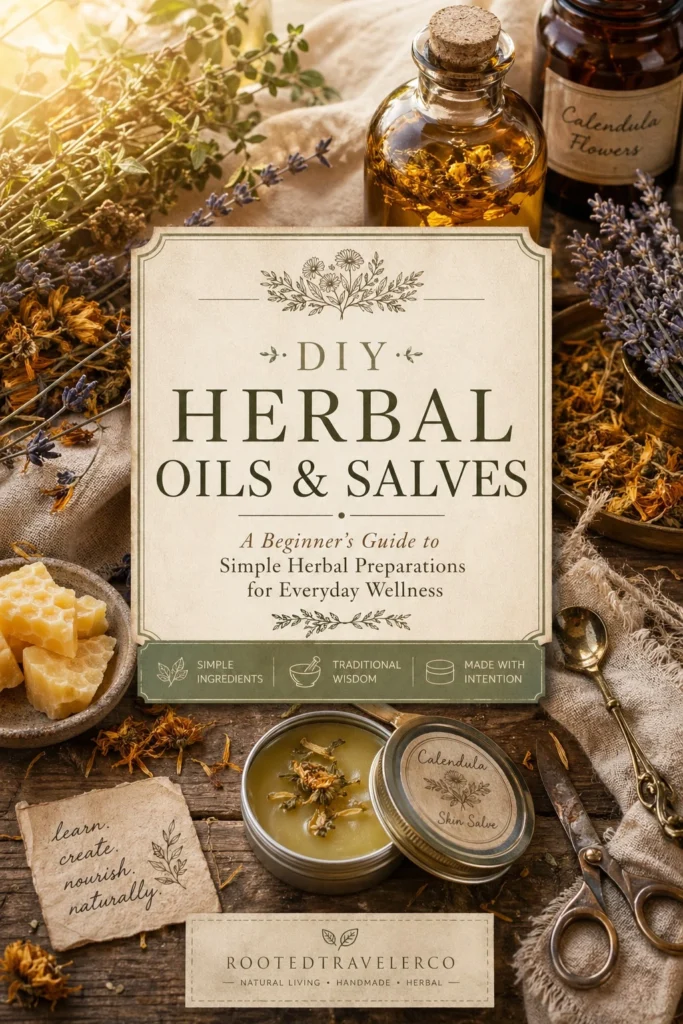
DIY Herbal Oils & Salves
Learn how to transform simple herbs and oils into practical homemade preparations. This beginner-friendly digital guide explores herbal infused oils, salves, ingredients, and techniques you can bring into your everyday herbal practice.